Tag Archives: disability

This Is Florence…

Talk given at Church Alive on Sunday 27th September for Disability Awareness Sunday based on 1 Corinthians 12:12-27

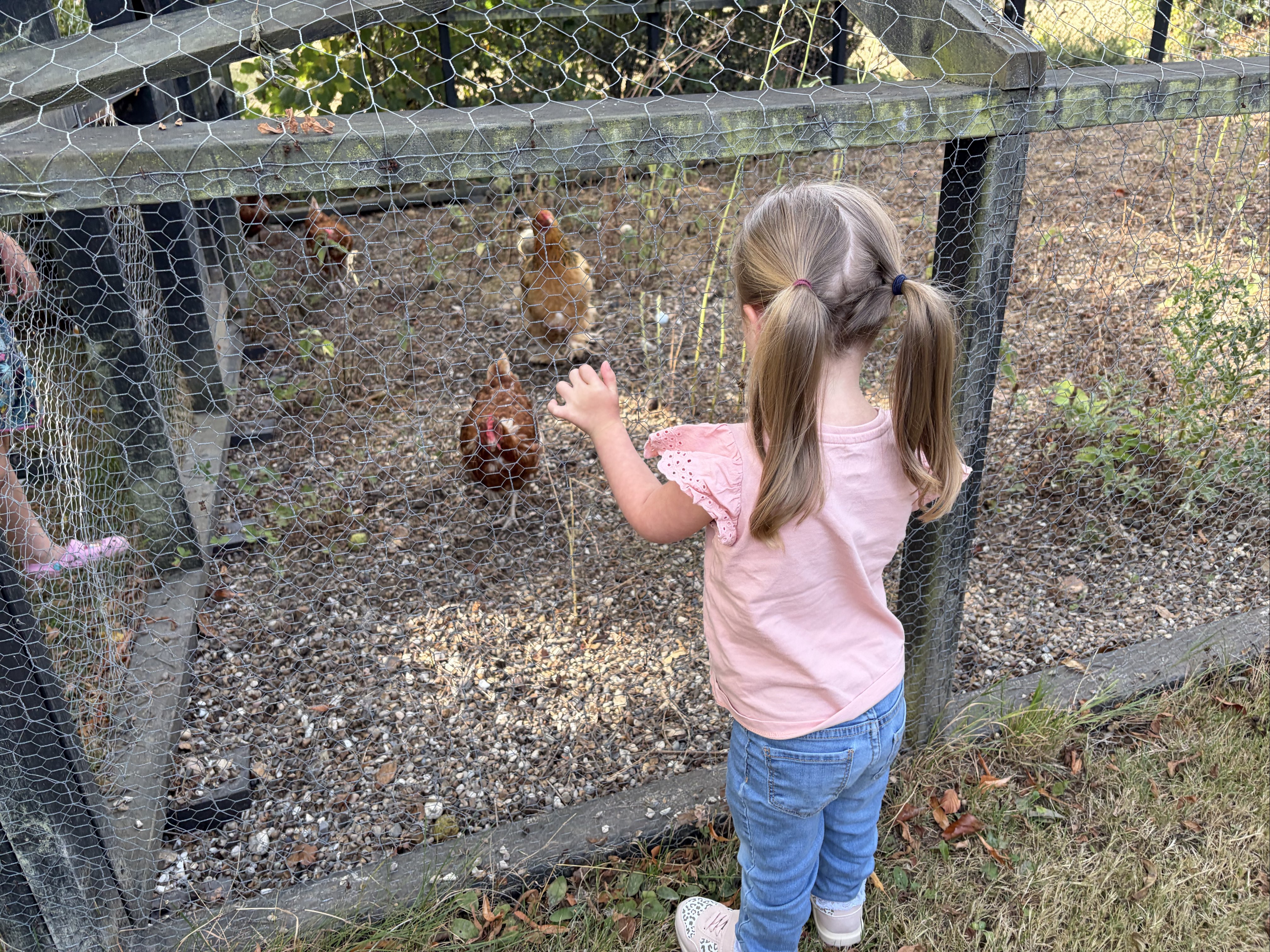
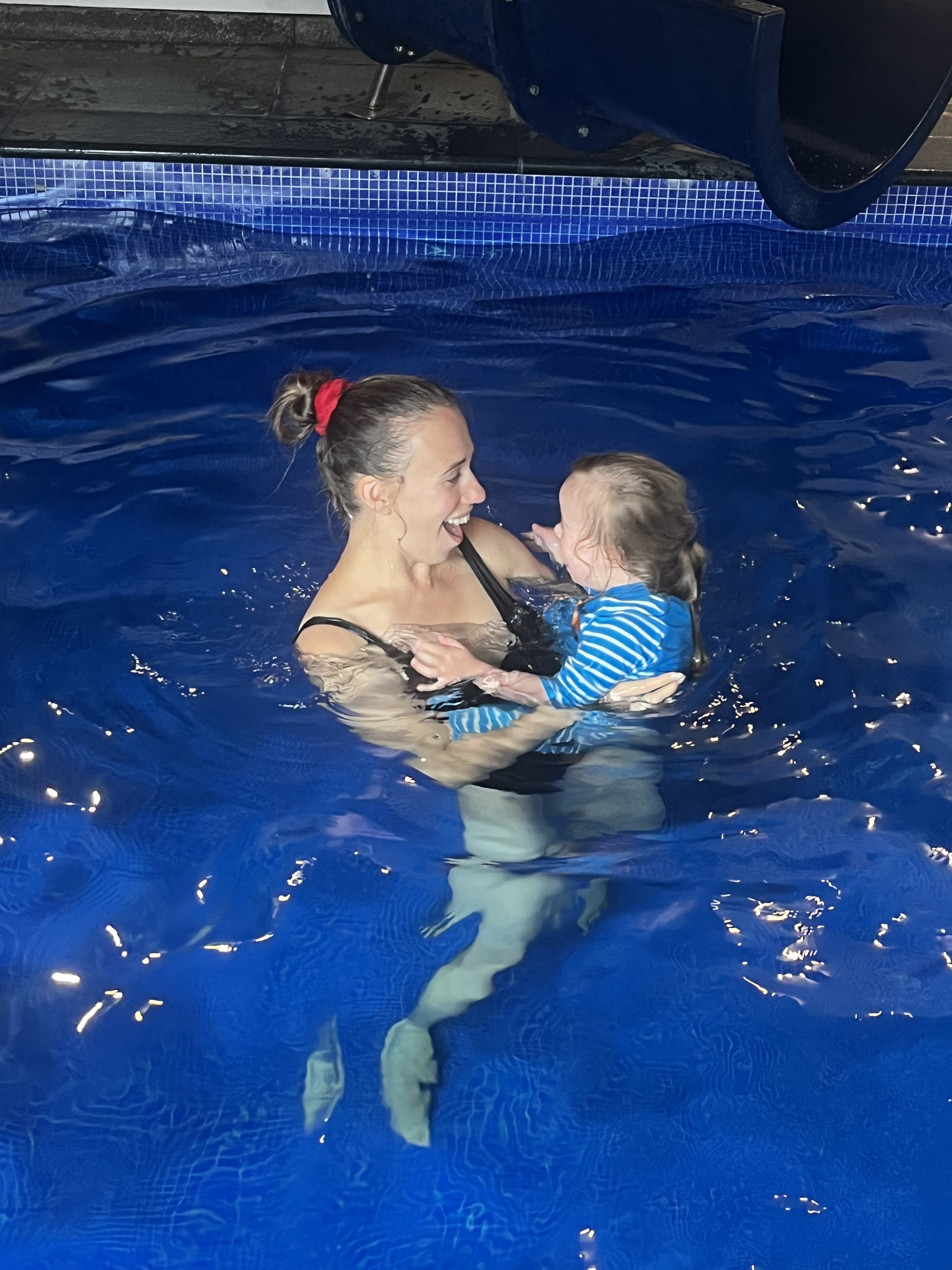
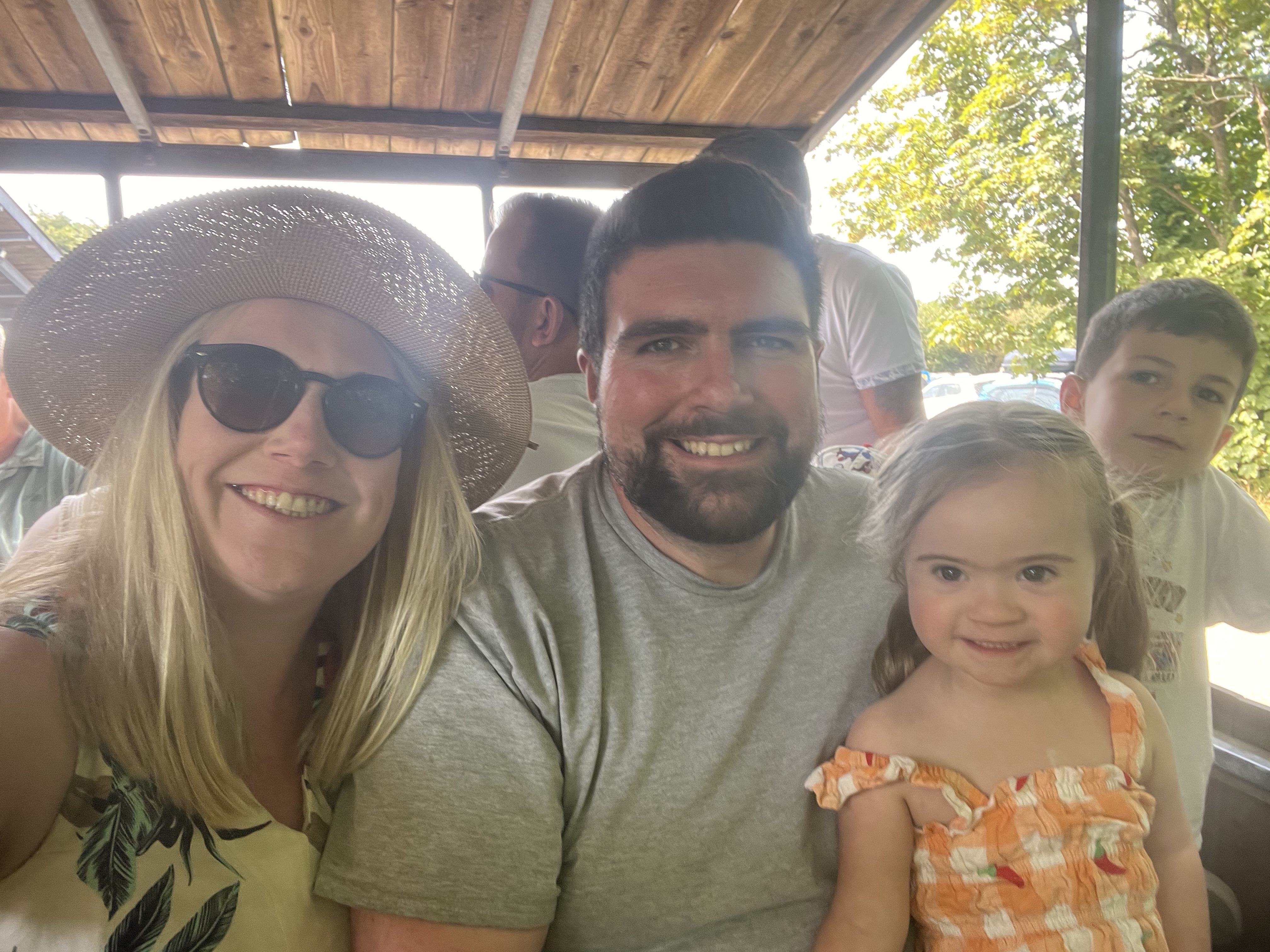
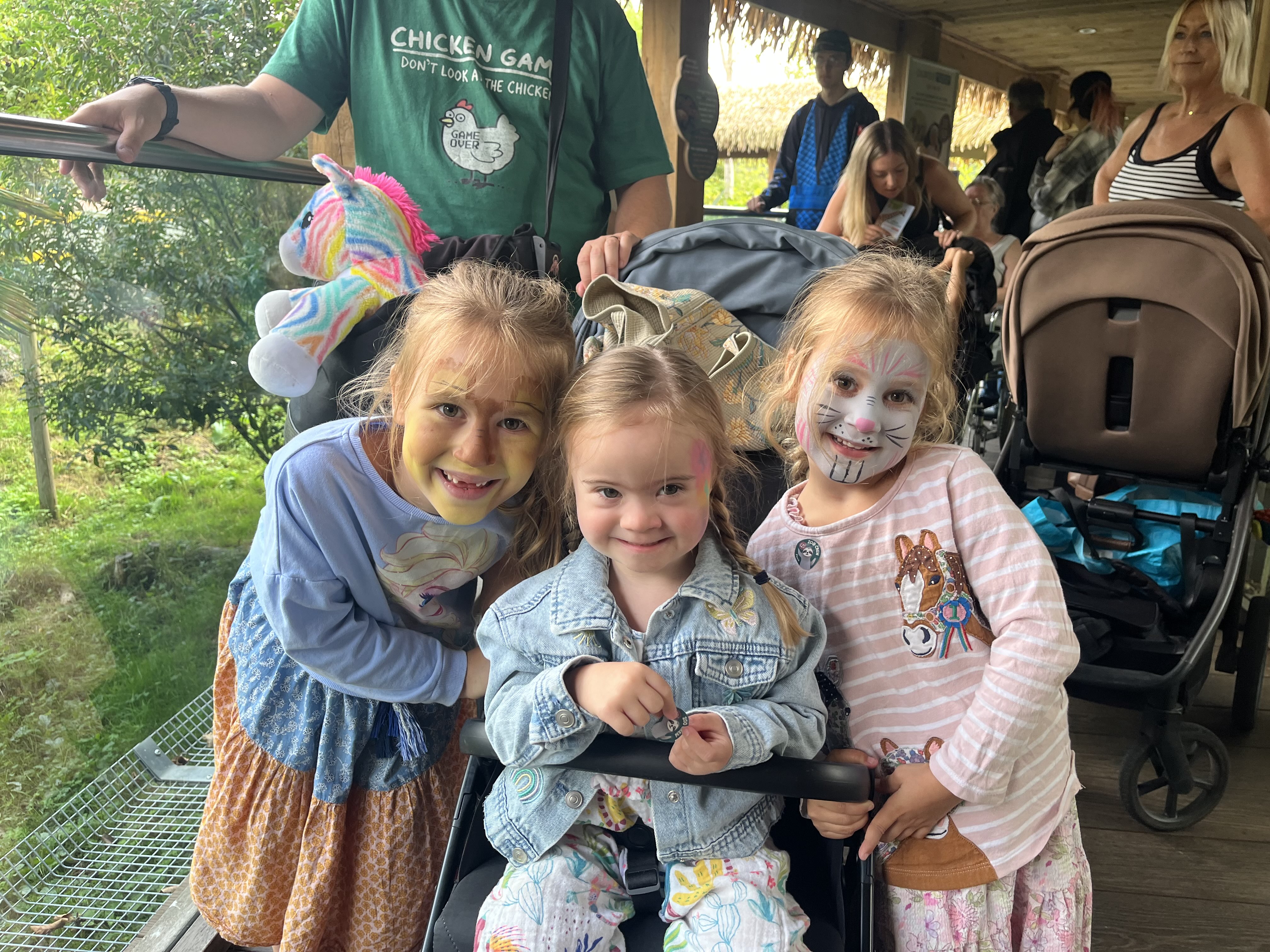
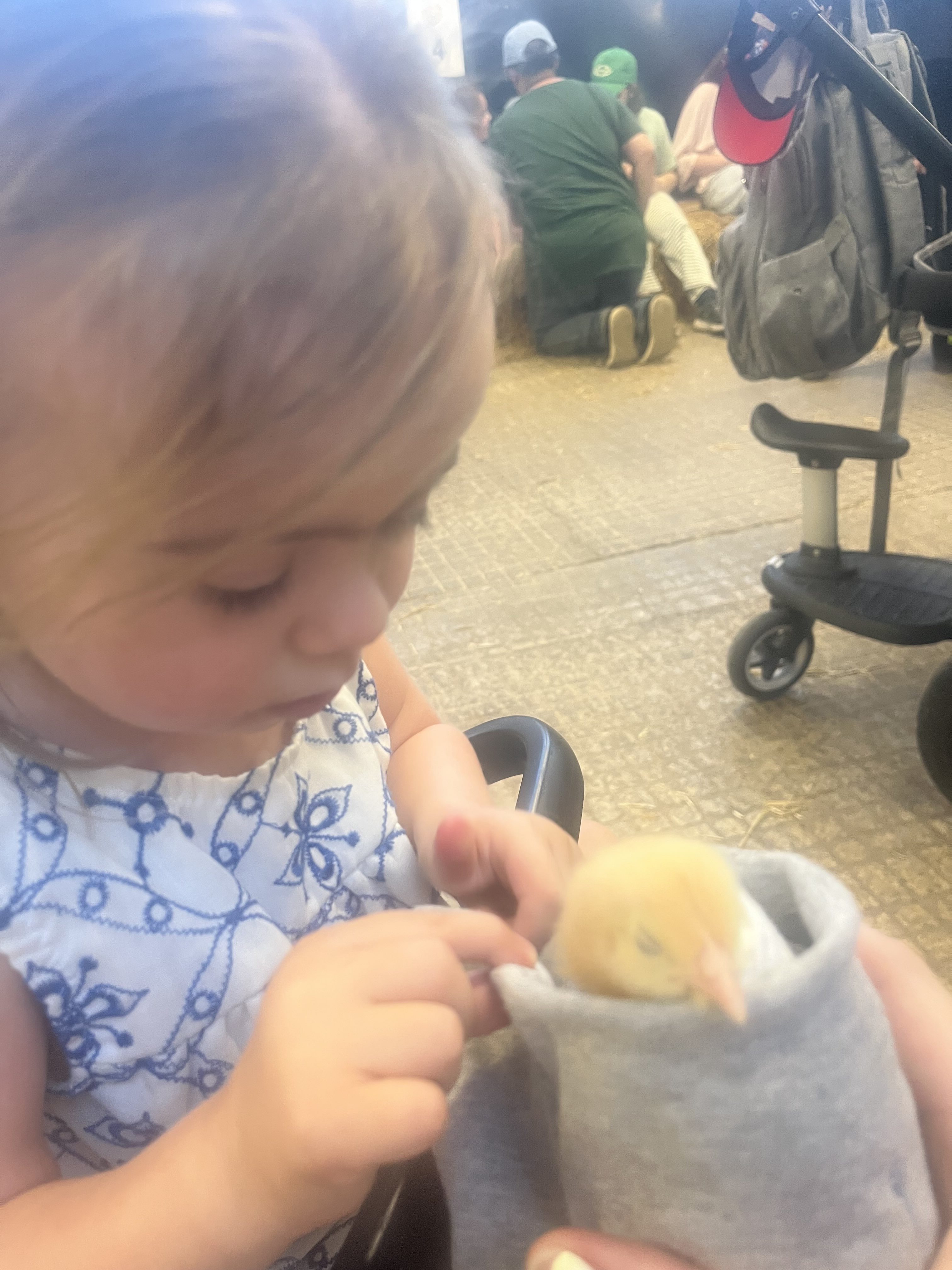
Florence is three years old. She is my granddaughter, one of four grandchildren, all precious and all unique.

She attends a pre-school nursery and next year will be going to a local primary school to join the Reception class with her peers. She already has a fantastic pencil grip, creating masterpieces of circles.
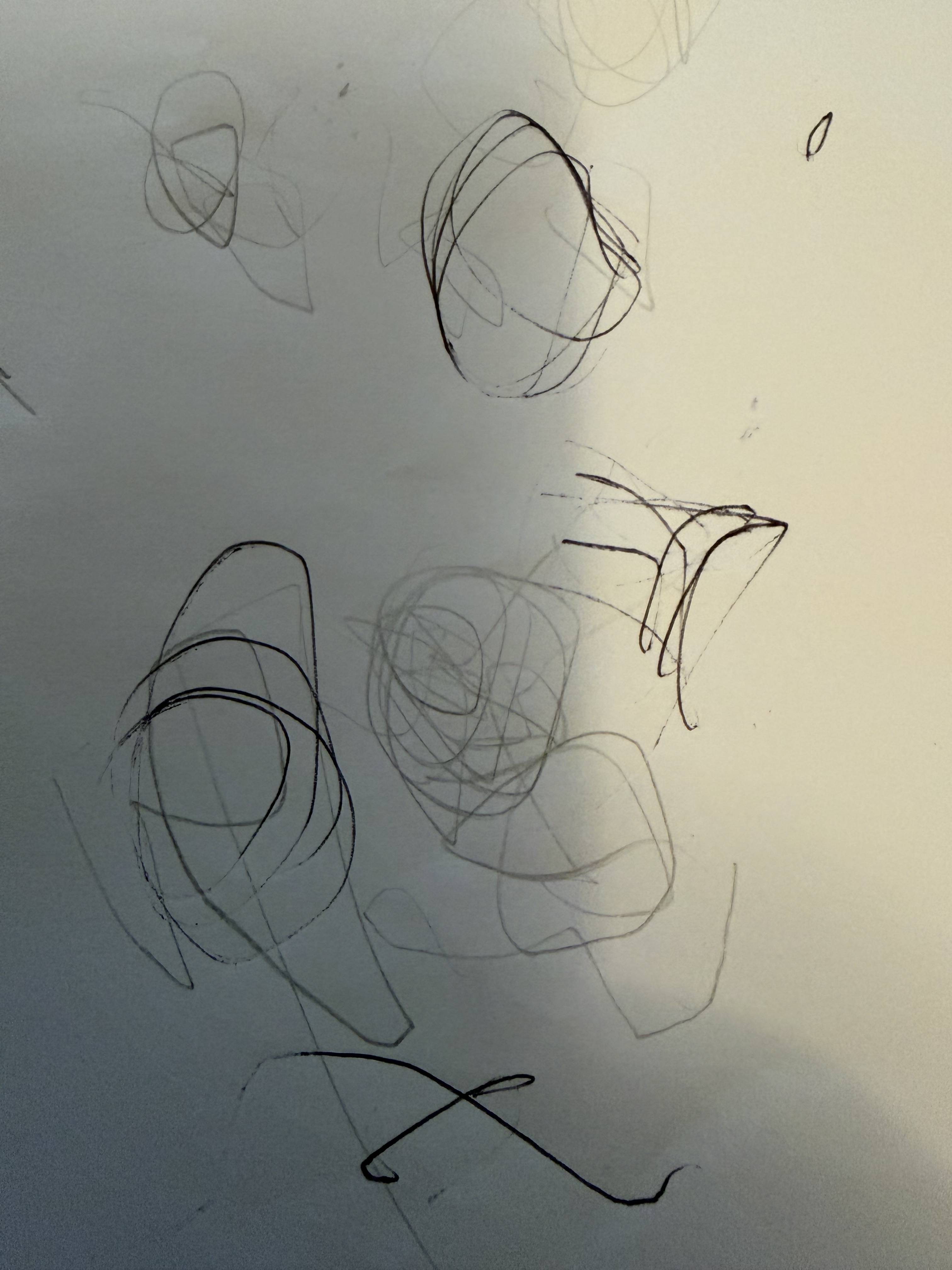
Pencil Scribbles

Since she has learned to walk, she can climb stairs, and if often found sitting on the top bunk in the bedroom when she visits us. She can also communicate her needs very clearly, able to make choices about what she likes and dislikes, she knows which cupboard is where the biscuits are kept, and had been known to raid the fridge when she knows a pack of strawberries have been put in there from the shopping! She uses a knife, fork and spoon to eat her meals, although she sometimes finds its quicker to use her hands when chocolate cake is involved.
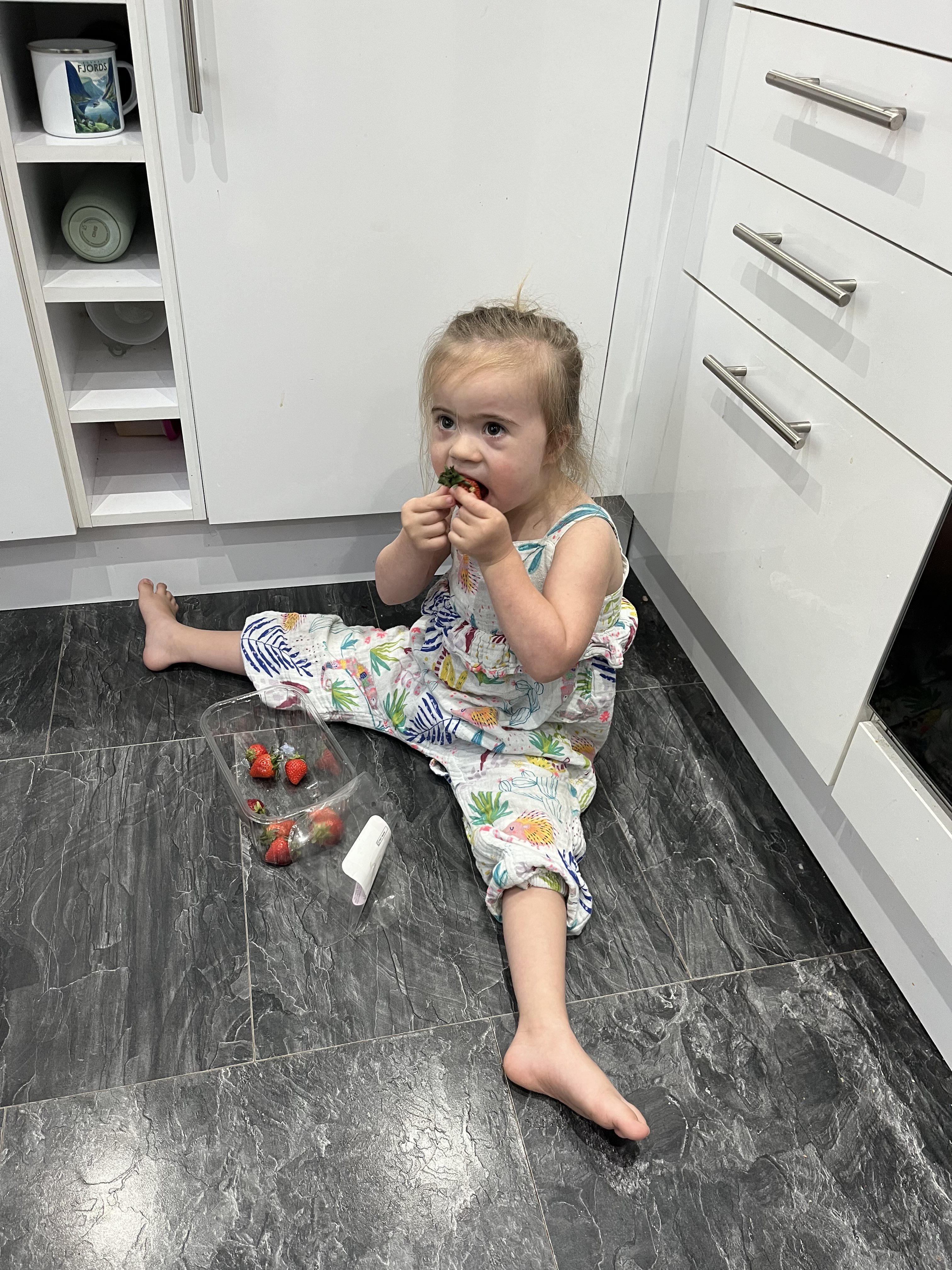
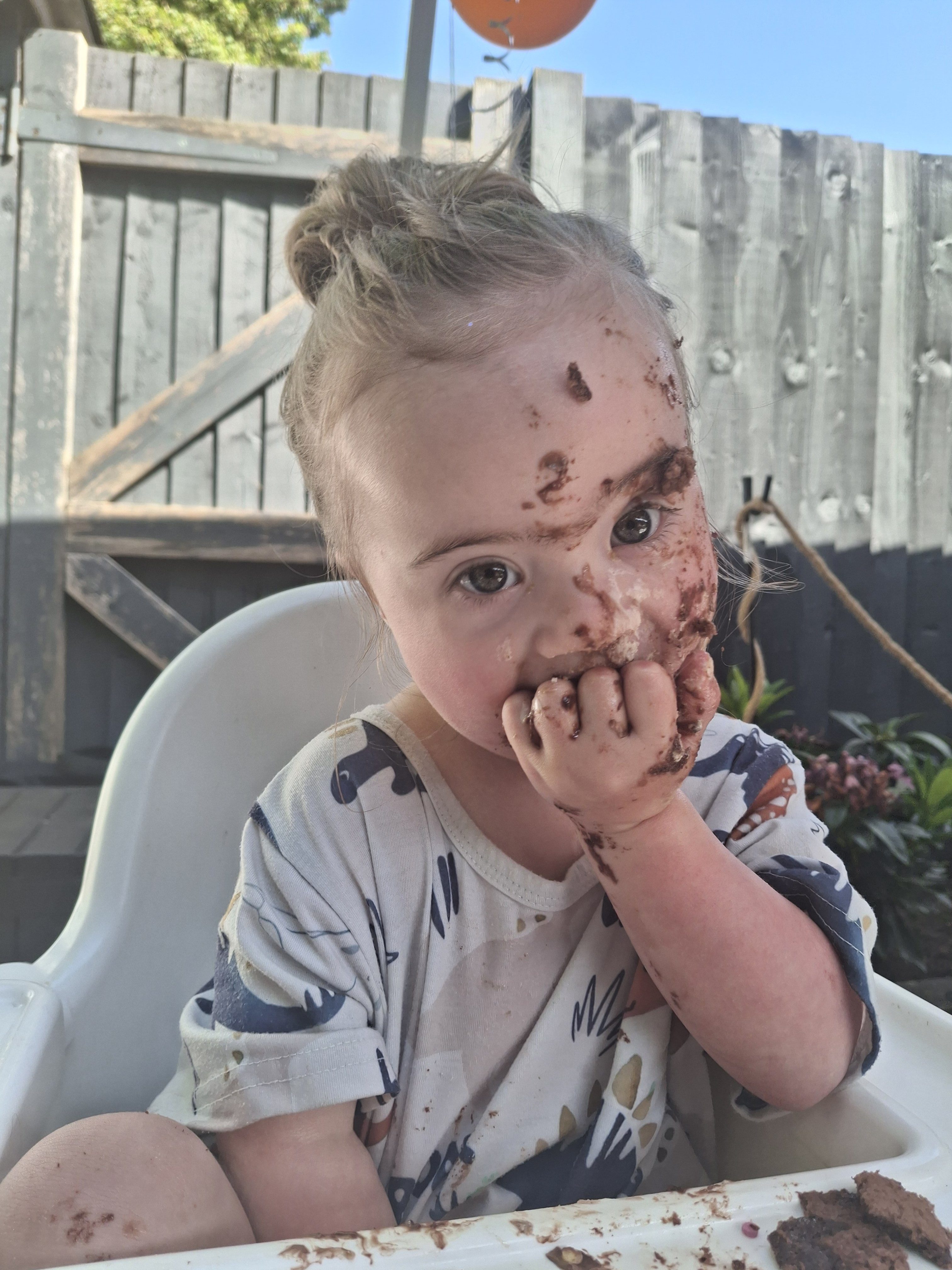
She has great empathy for all God’s creatures, and is very caring and gentle. This also comes across when she is playing with her dolls, nursing them, feeding them and putting them to sleep in their cot.
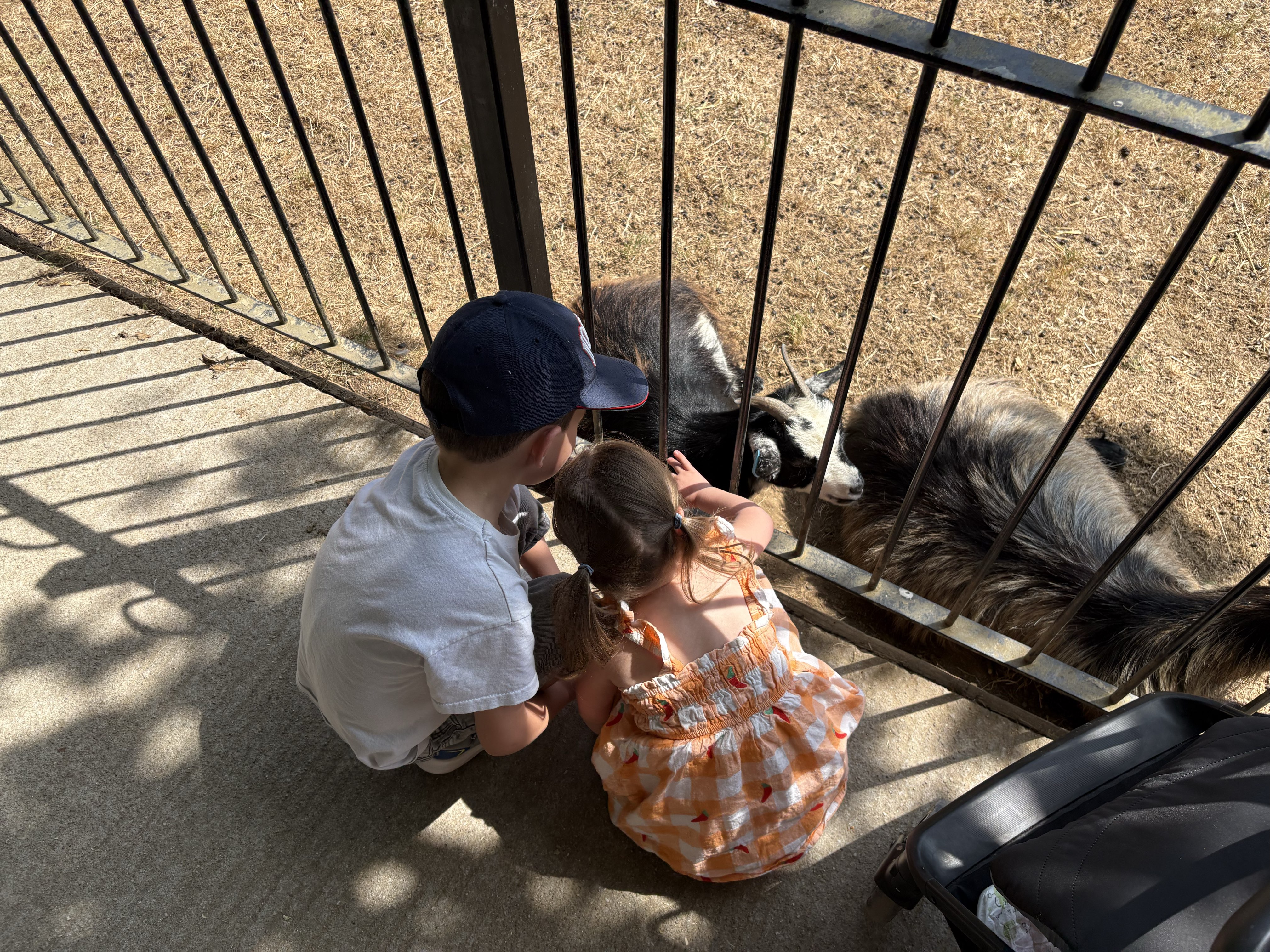
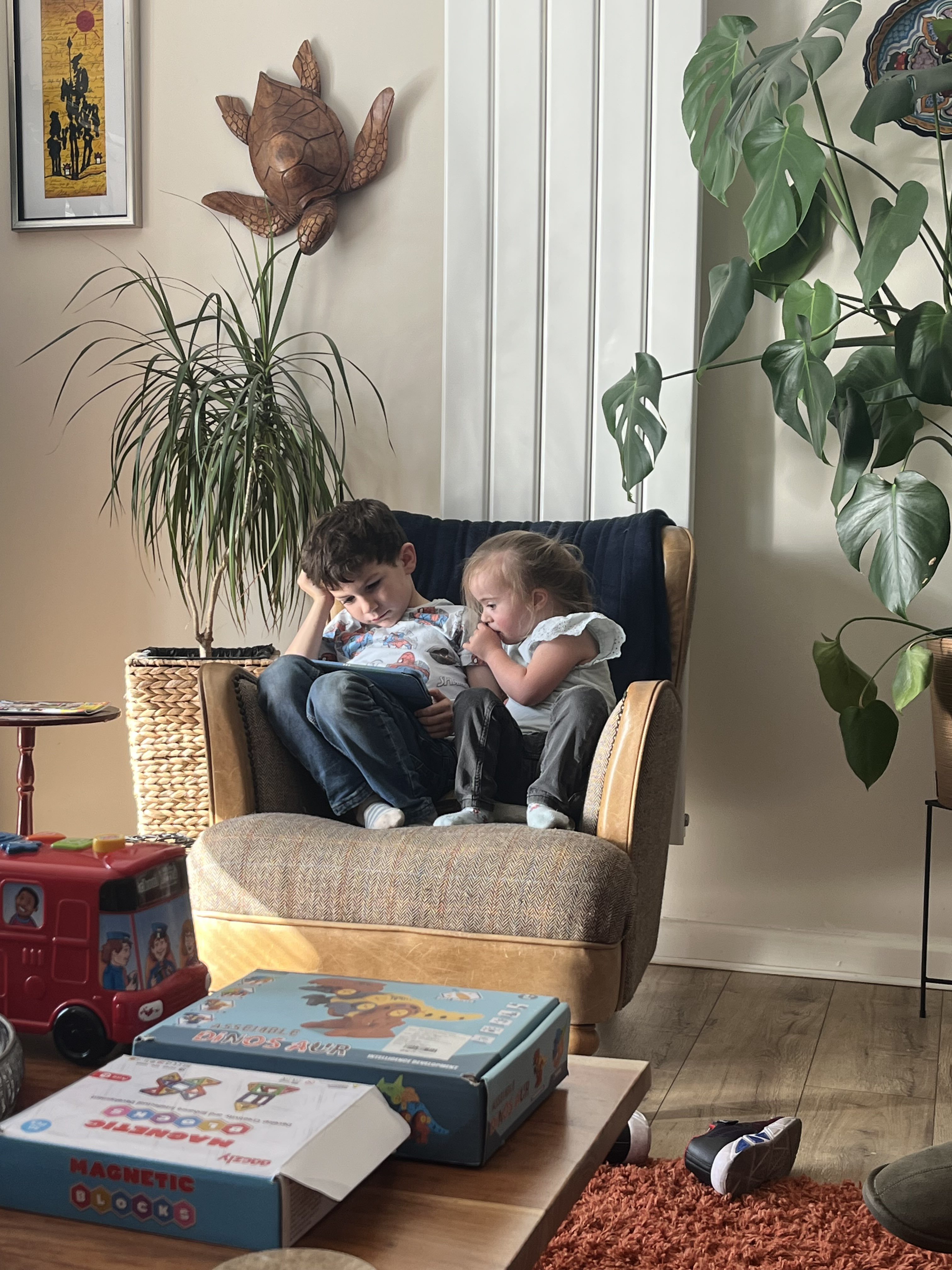
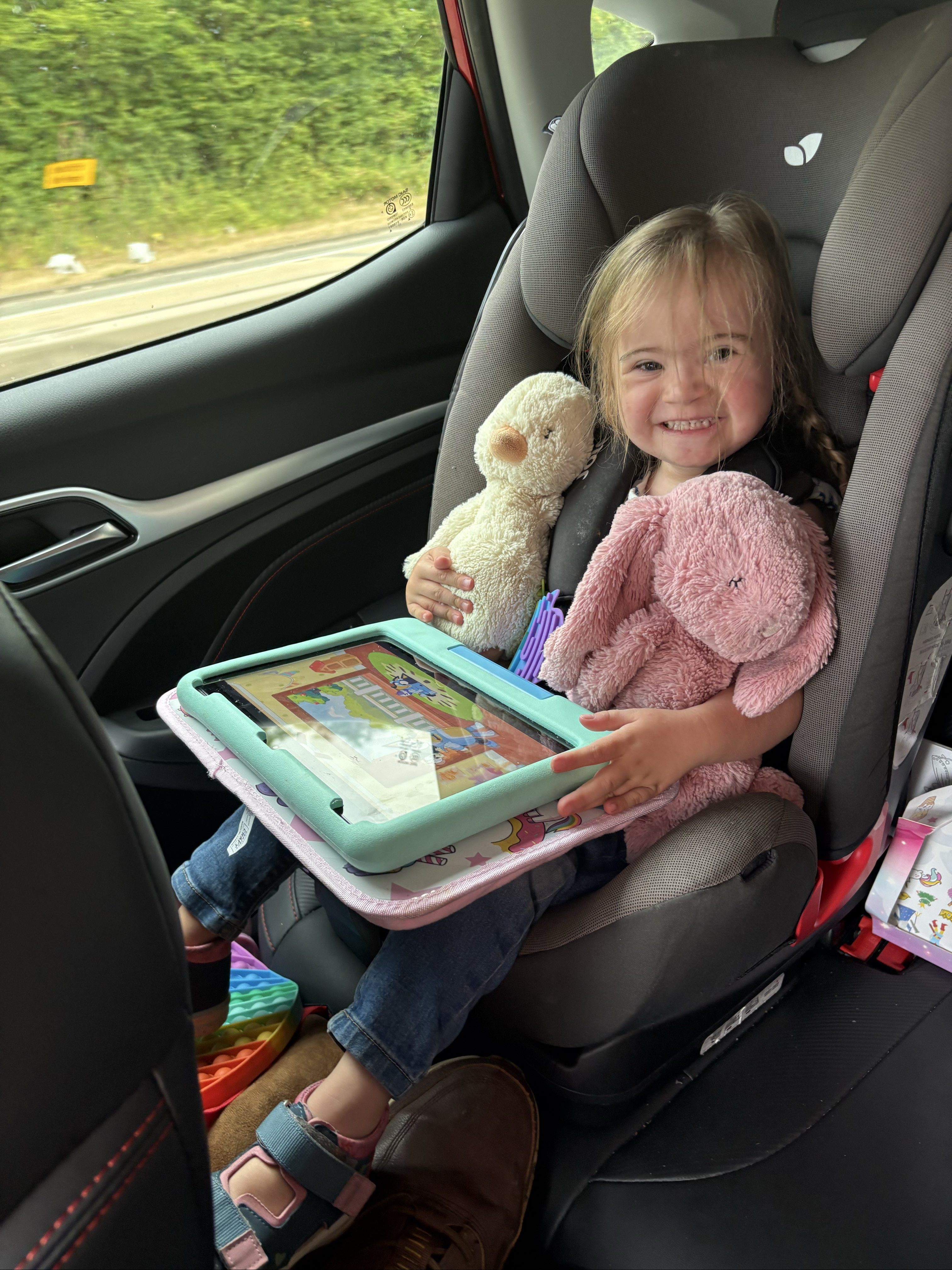
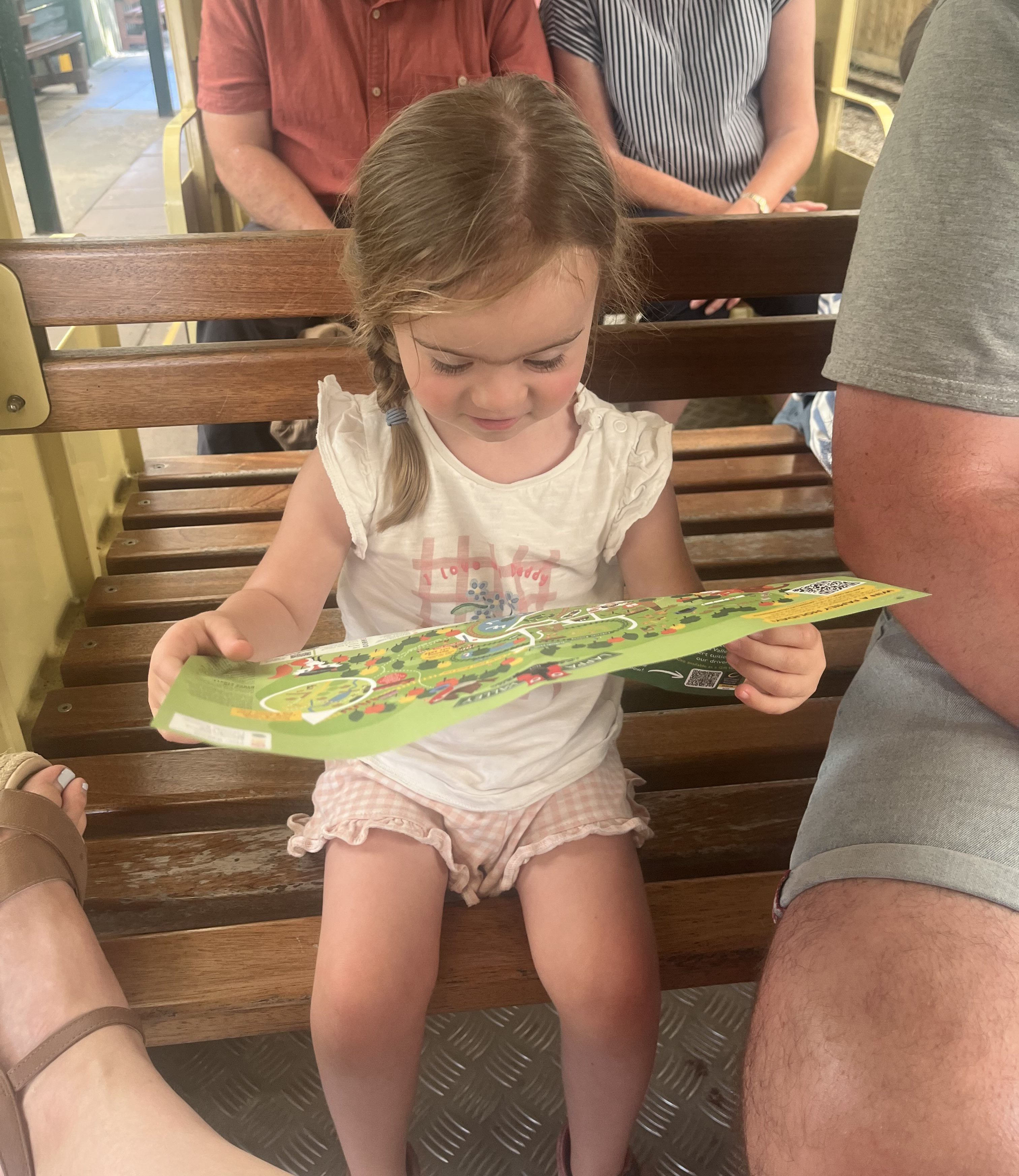
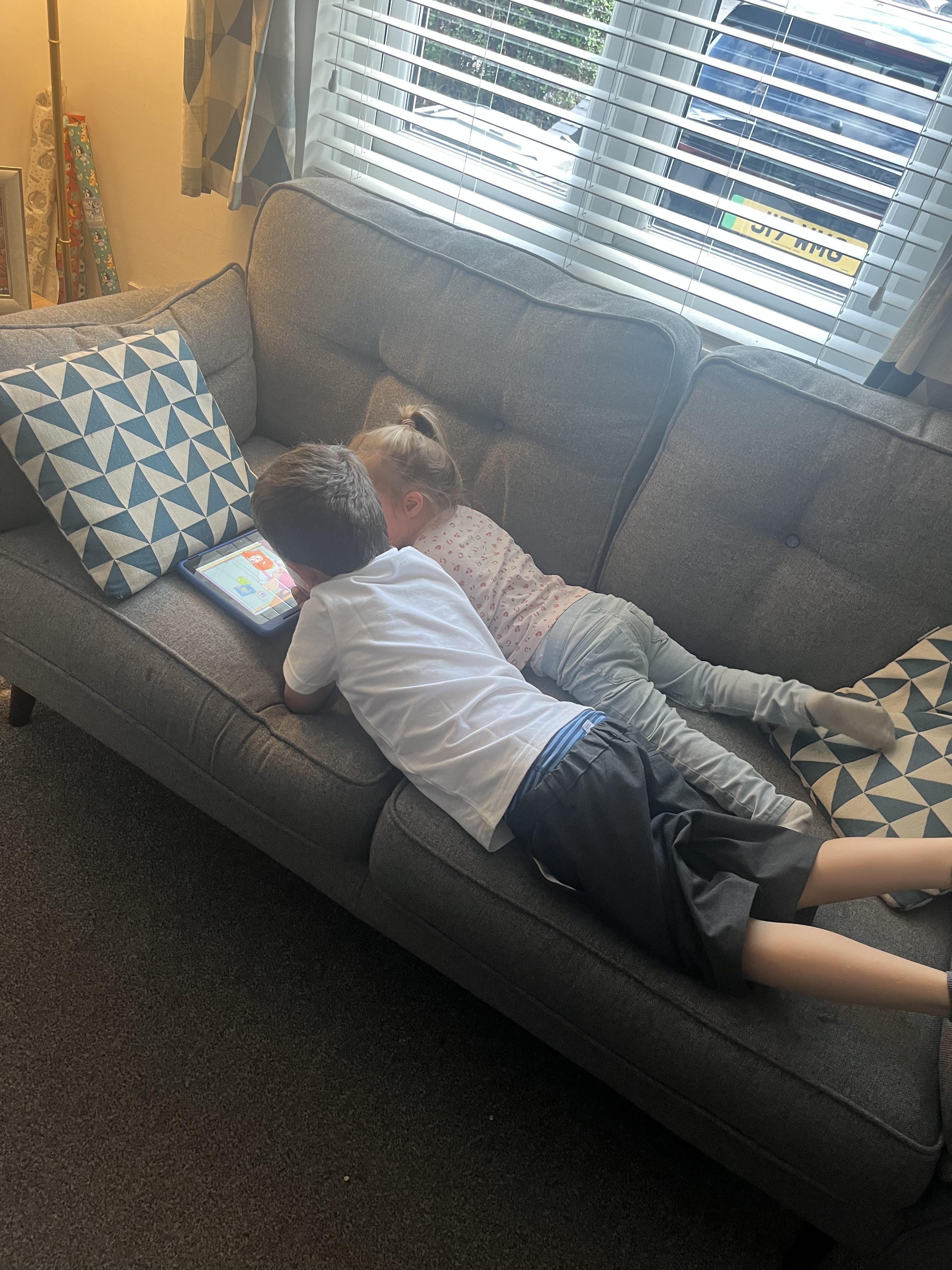
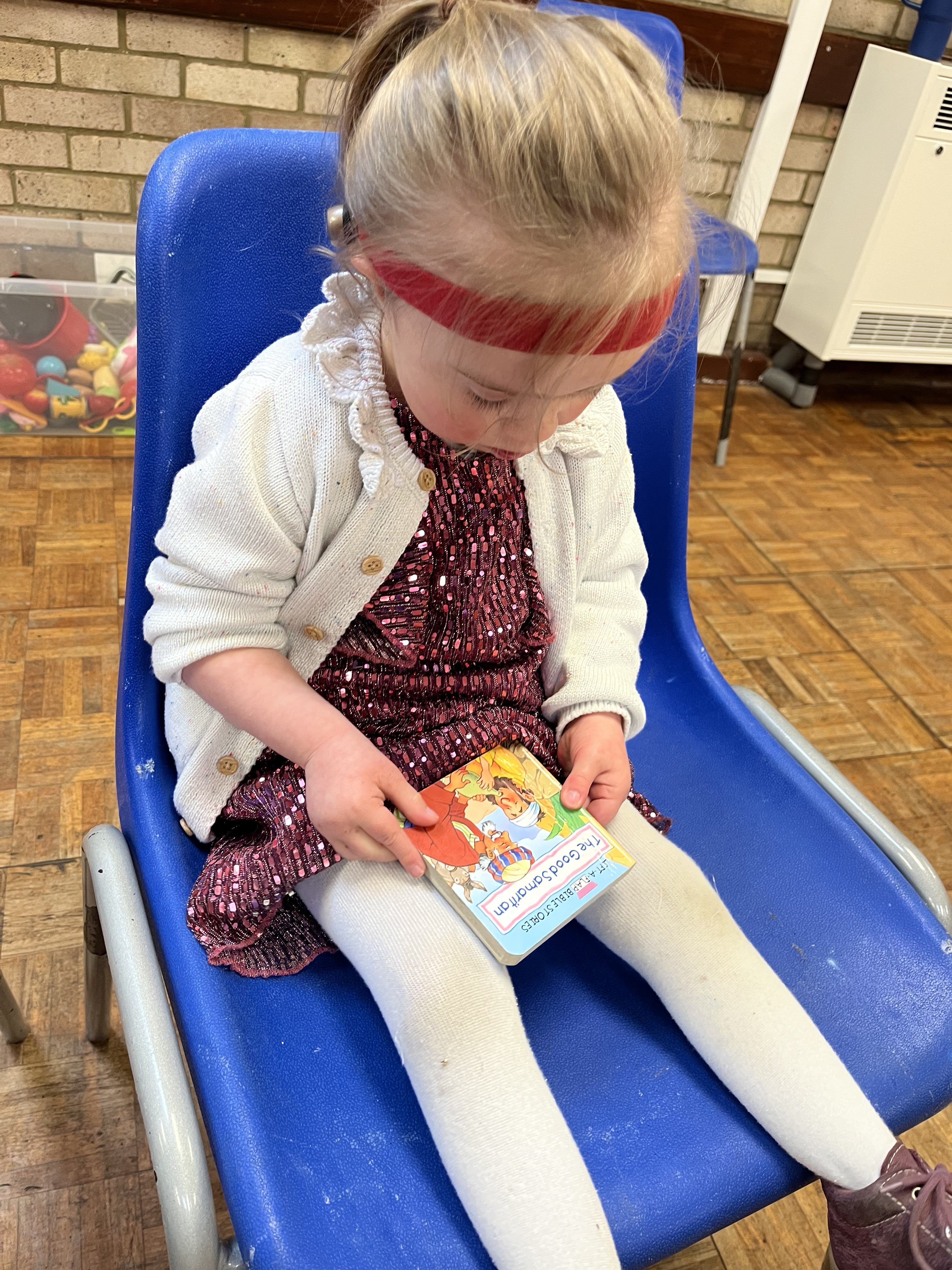
She also loves playing games on the iPad, as well as reading books. Most of the time she likes to sit alongside her brother, but we often find she has selected a book from the book box and will be sitting down, turning the pages and able to point out different objects if you ask her to find them.
She loves spending time on holiday with her family and her aunts, uncles and cousins, as well as enjoying trips out to see and explore different places.
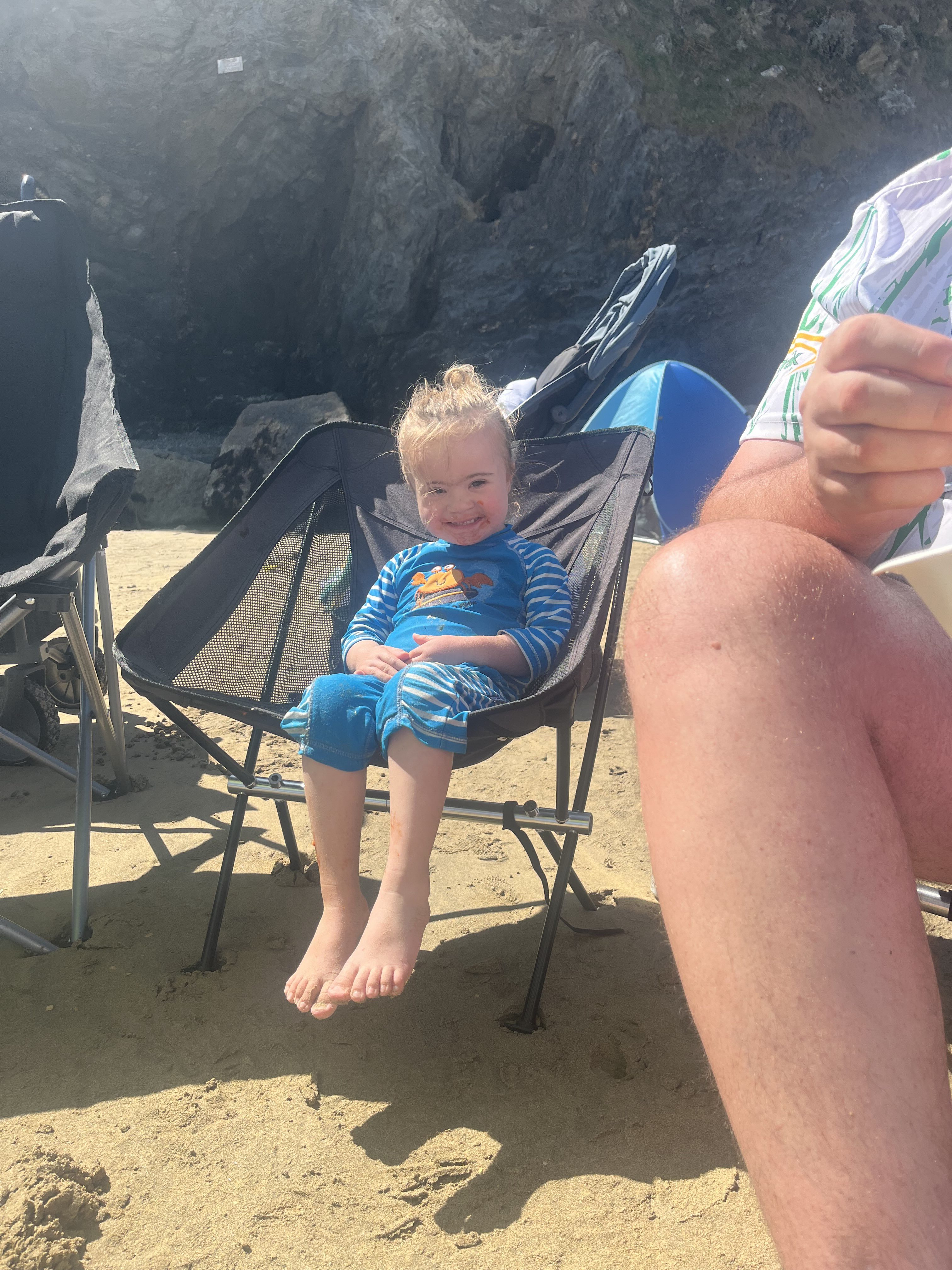
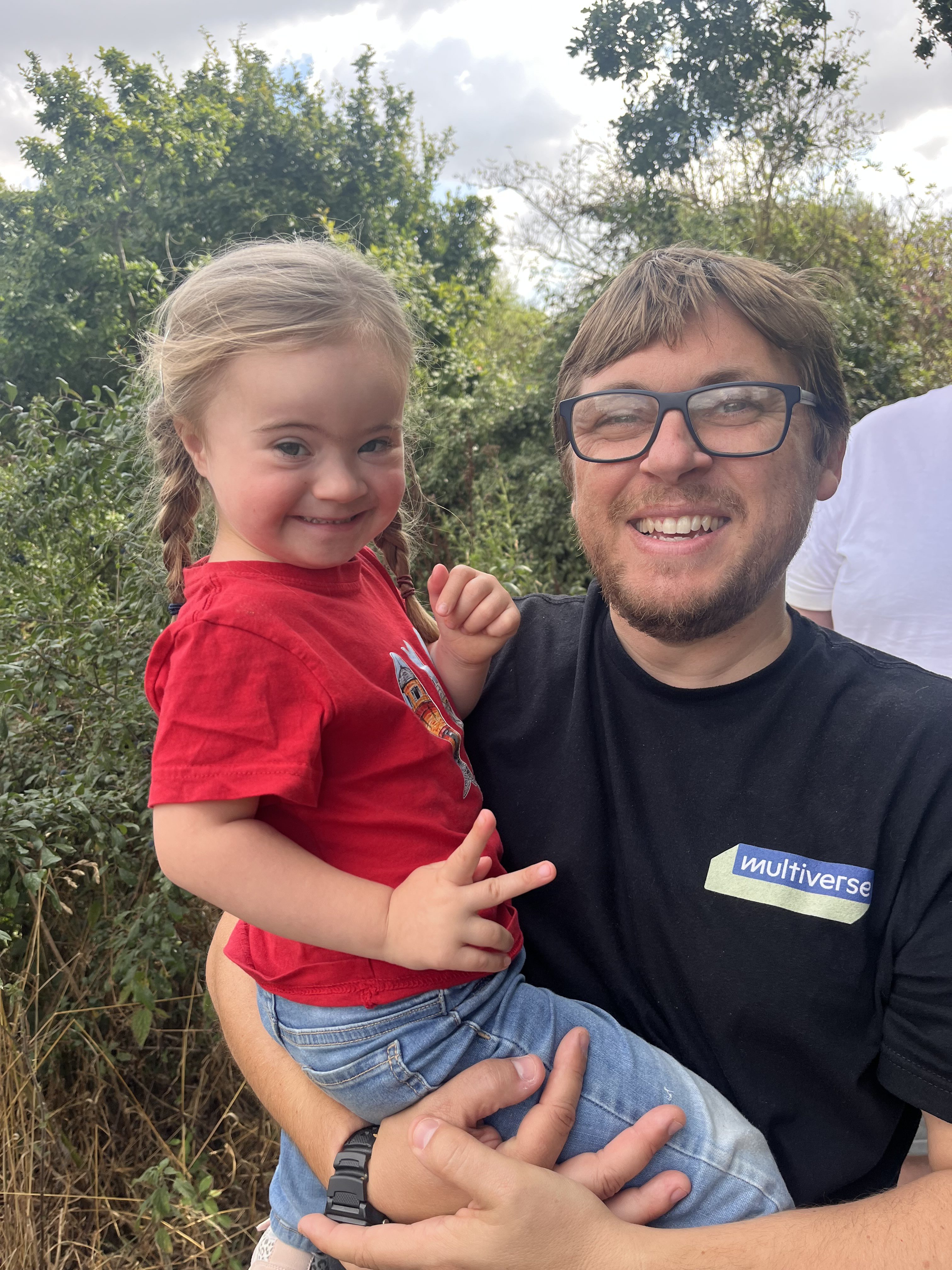
When Florence was two and a half years old, she underwent open heart surgery, which was pretty scary, but in true Florence fashion, within 24 hours she was trying to sit up, and after five days she was sent home, already showing everyone that there’s not much that stops her living a full life.

The fact is Florence is a on many levels the same as any other three years, but there’s one thing that’s different. Florence has a condition called Down Syndrome.
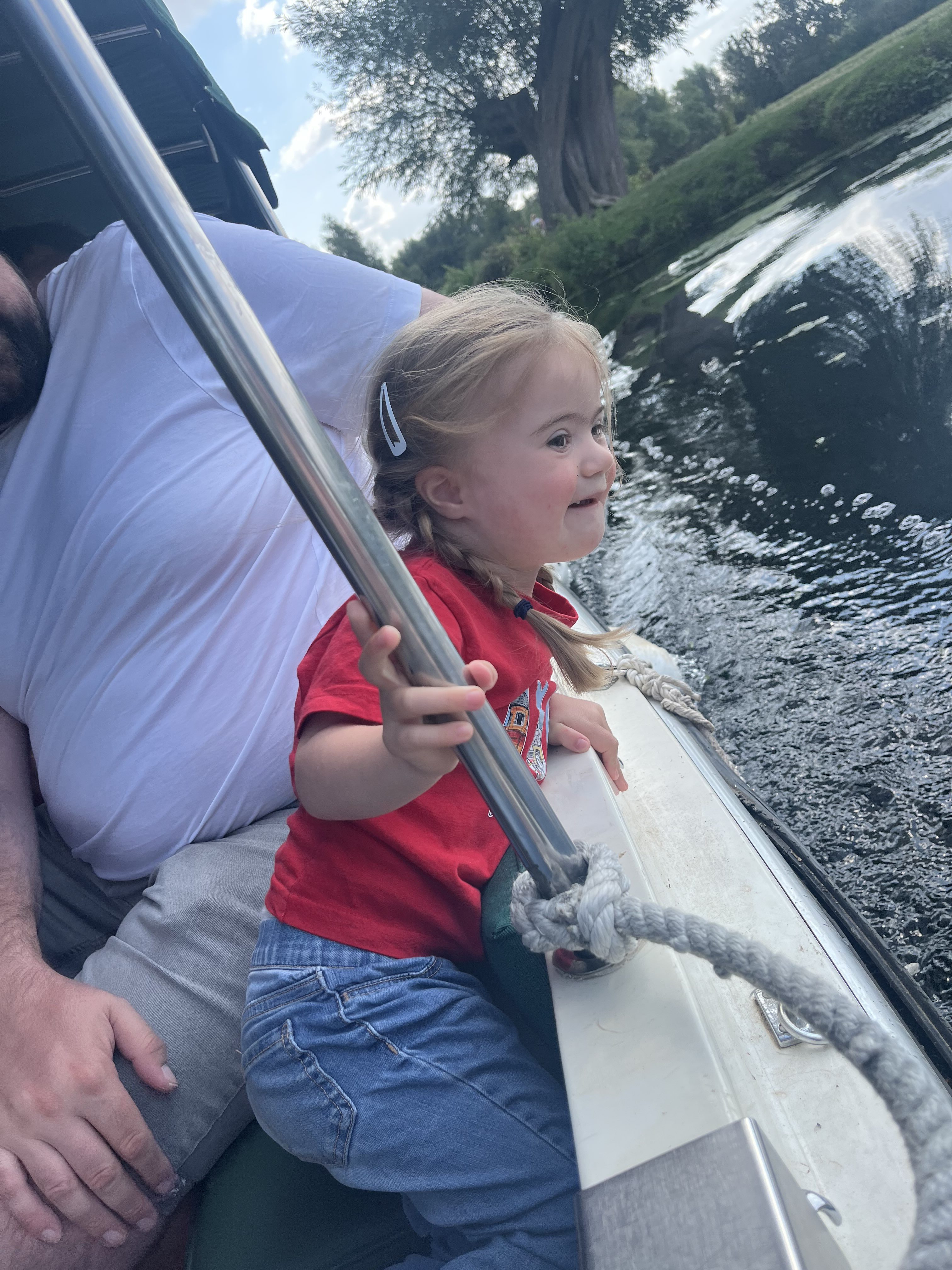
For those of you who might not know what that is, Down Syndrome it is a life-long genetic condition, caused by having an extra copy of chromosome 21. Its pure chance that you that you get that extra chromosome which happens because of a change in the sperm or egg during conception. This change does not happen because of anything anyone did before or during pregnancy.

People with Down syndrome are likely to have some level of learning disability. This means they’ll have a range of abilities. Some people will be more independent and do things like get a job. Other people might need more regular care.

There are also some preconceived ideas that people have about people with Down Syndrome. That they are very kind and loving and more often than not, happy and smiling; but they can also be angry and determined to get their own way. Clever at discovering things, and sad, able to show great empathy and emotion, exactly like every typical three-year-old.

However, the fact is that Florence has been given a label. A label that says she is disabled. Now that label can in some ways be a good thing, in that it provides additional care for her health and wellbeing,

But I have a bit of a problem with the word ‘disability’. The dictionary defines it as ‘a physical, mental, cognitive, or developmental condition that limits a person’s ability to perform certain daily tasks or participate in typical activities.’ And that is true, but the prefix ‘dis’ which means ‘not’, turns a positive word ‘able’, into its negative or opposite meaning. Also ‘to ‘dis’ someone, means that you treat them with disrespect or contempt.

Perhaps instead of the prefix ‘dis’ we should use ‘en’, Disable becomes enable, turning a noun or adjective into a verb that means ‘making it happen’.

We need to enable everyone to achieve whatever goals they are capable of. This starts with the person, not the disability, by asking what the person wants to achieve rather than assuming what they need, by identifying their strengths, preferences, interests, and existing abilities, letting them make decisions about their own life wherever possible. Also avoiding assuming that one person’s needs are representative of everyone with the same disability.

We can do this by identifying and removing physical, technological, financial, social, educational, or organisational barriers. Providing the right level of support to enable independence and making opportunities genuinely accessible. By building skills and confidence, and judging success by the person’s own goals.

The objective should not be “make the person as normal as possible.” It should be to “give the person a fair opportunity to pursue the life they choose.” But hang on, isn’t that want we want for everyone?

People with Down syndrome or any other disability, whether visible or invisible, like everyone, have their own personalities, things they like and dislike, things that make them who they are. In fact, exactly as God intended us all to be, unique, diverse and part of his church.

One body, many parts, all united, all needed, all honoured.

Amen

Florence has been incredibly well supported by the Portsmouth Downs Syndrome Association Home – Portsmouth Down Syndrome Association . Her mum and aunty are taking part in the annual Great South Run. If you feel that you could support them then you can do so here Portsmouth Down Syndrome Association: Florence’s Green Army
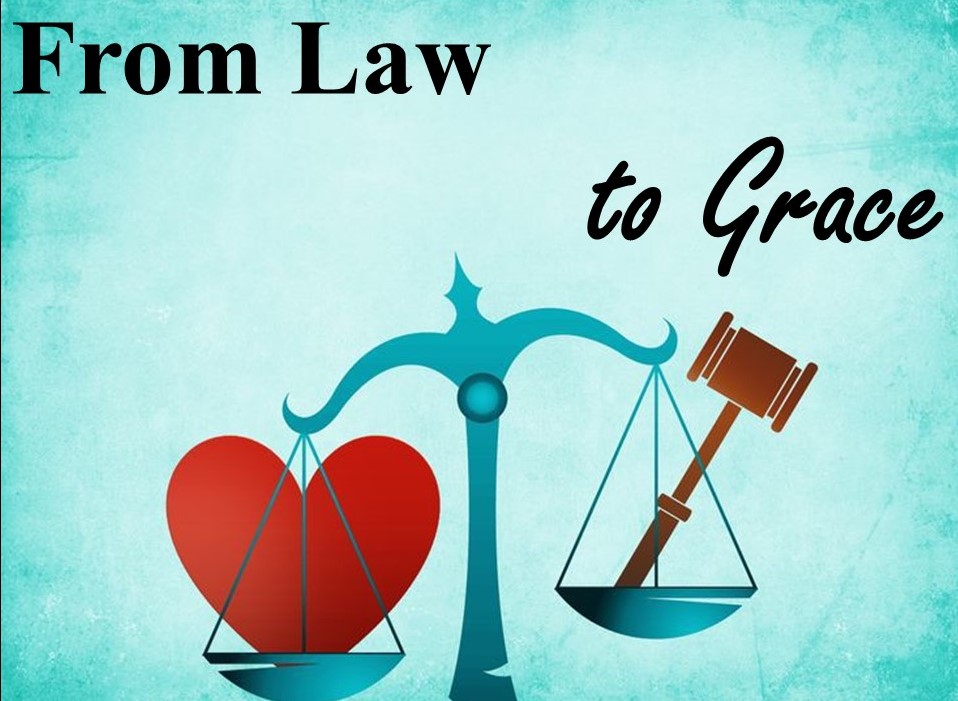
Replacing Law With Grace

from-law-to-grace

Replacing Law with Grace

There are times when the Law is important and there are times when it needs to be replaced with Grace; whether it is to make a point or whether it is part of the way we need to live.

Readings: Isaiah 58:9-14 & Luke 13:10-17

May I speak and may you hear through the Grace of our Lord; Father, Son or Holy Spirit. Amen

Let me start by asking you three questions, and please don’t think you have to confess anything out loud. Have you ever broken the law? If so what were the circumstances? Do you feel you were justified in breaking the law?

No doubt a great many of us can probably answer yes, I admit that I probably do it quite frequently when I exceed the speed limit, and a recent survey in the Telegraph newspaper found that ‘millions of people who declare themselves innocent law abiding citizens actually commit around seven crimes a week’, with the most common offences being speeding, texting or talking while driving, dropping litter, riding bicycles on the pavement, parking on pavements or not cleaning up their dog’s poo!

It seems that people are not at all bothered about committing what they consider ‘minor’ crimes, because so many people are breaking these laws that they have almost become legal. Even so, it still depends on what sort of law you may have broken. Was it a law established to protect people and uphold society, one that carried a defined punishment in breaking it? Or was it a rule created for a particular group for a particular time? And how is that law being upheld?

In Isaiah we hear about the exiles’ complaint about God’s perceived lack of response to their prayers. However, the basis of their worship is that of self-interest – what they can get out of it, rather than opening their lives to God’s presence with them and the promise of God’s grace to transform them.

The covenants and the Laws that had been handed down to them were not wrong or unnecessary, but were part of the journey that God was taking humankind on towards complete reconciliation. The Old covenants would be superseded by the New Covenant that was Jesus. They were not separate goals for each group of people to aim for, but one goal. The difference being between the journey and destination; between the interim and the ultimate.

God’s meeting with Moses on Mount Sinai was the supreme revelation of himself in the Old Testament. The laws, the rules, the regulations that were handed down were relevant to what was happening to people at the time – the food laws, the hygiene laws, the clothing laws,  the laws of possession, the laws of laws – all made perfect sense for an itinerant band of travellers to provide protection, both physical and spiritual. However, the physical can never contain the reality of God.

The perceived wrathful, vengeful, inaccessible character of God would go on to be revealed anew in the gloriously accessible person of Jesus. Condemnation would be swallowed up in love and forgiveness.

In this morning’s gospel our focus it not centred on God’s power to heal –the fact that the women was restored to full health was almost a given; just one of many examples we have of Jesus’ power to heal throughout the New Testament. Nor is it concerned with the importance or value of the Law – Jesus himself declares in Matthew’s gospel, that he has not come to abolish the Law, but to fulfil it; adding that ‘truly I tell you, until heaven and earth pass away, not one letter, not one stroke of a letter, will pass form the law until all is accomplished.’

 ‘Do not think that I have come to abolish the law or the prophets;
I have come not to abolish but to fulfil’
Matthew 5:17

The Law of Moses may seem irrelevant to twenty first century Christians, laws such as don’t shave your face, don’t eat shellfish, don’t do any work on the Sabbath, and we consciously choose to disregard them. Even so, the law still remains, and, it is the same God as then as is now that we follow. In many cases the laws remain right, but it is how they are being used that is the nub. Is the law being used as an instrument of condemnation or as an instrument of grace

In this particular narrative, those who use it to condemn are ‘hypocrites’, masquerading as agents of a gracious God while being nothing of the sort. Jesus’ action demonstrates grace, his power to heal and all the while bears the fruit of God being praised in the response of the woman. The action has led to the Sabbath being honoured.

Jesus was rebuked because he dared to heal on the Sabbath or Holy Day – an action that was considered ‘work’. If he’d waited till the next day he’d have been fine, but he insisted that no one’s suffering should be prolonged just for the sake of the law. If good can be done today then it shouldn’t be postponed until tomorrow.

The synagogue official was putting the system of law above the individual, but in Christianity the individual comes before the system and it is fair to say that democracy itself would not exist without Christianity. Civilisation has developed based on the relationship of the individual to the system. But all too often the social system takes on a life of its own and swallows up the individual. As the theologian William Barclay says, ‘Should those Christian values start to disappear from political and economic life then we can only look forward to a totalitarian state where people exist not for their own sake but simply for the sake of the system’.

This, therefore, is the big wide world in which we all have to live in, but what about the world within the church. How do we react to those whose only concern is that of Church governance, that consider the method more important than worship of God or service to others. Even more worrying is those who seek only to condemn because of a narrow-minded and blinkered interpretation of what God wants us to do rather than applying the grace that God offers to everyone.

The law doesn’t bind us to what we should  or shouldn’t do on the Sabbath or any other day. In fact the law shouldn’t be a bind at all. Laws are created  and upheld to protect us, to guide us and to enable us to make the right choices. And we do have a choice. We can ask ourselves is this something that is immutable or does my love and knowledge of God allow me to break or remove it all together.

Does our respect for the present position of the church on matters such as marriage, divorce, disability, homosexuality preclude us from recognising God’s grace for these situations and the individuals they affect.

When the law changes around us how do we react as Christians? Think of some of the things that have happened within many of our lifetimes. From the apparently mundane decision to allow shops to open and trade on a Sunday, to the well-considered remarriage of divorcees in church, the full inclusion of those considered disabled in some way, to the current impasse over the pain and suffering that has been and continues to be inflicted on members of the LBGTI community by certain Christian theologies and biblical interpretations. Where has the love and compassion that flows from God’s grace been in all of this?

If we honour God with our rituals so must we also honour God in our lives. So rather than break the law let us always instead replace it with the law of grace.  Amen

creation and grace

← Back

Thank you for your response. ✨

When Is A Toilet Not A Toilet?

Can all members of the public use the Public Conveniences?

Can all members of the public use the Public Conveniences?

You may well be asking what has a question about toilets got to do with ordination training? Yet it has turned out recently to be the most basic and essential necessity of finding a toilet that really brought it home to me how we so often both intentionally and unintentionally exclude a large group of people within society

One of my fellow ordinands, Helena, is a former lawyer and is a passionate advocate and fierce protector of people’s rights. She also has Multiple Sclerosis and uses a mobility scooter and therefore knows first-hand what the world looks like to a disabled person. She, like the majority of disabled people, doesn’t just want and need to be as independent as possible, but believes that each and every one of us has to become much more aware of what needs to be done to create a naturally inclusive society; which brings me back to toilets!

We’ve all heard the stories of inconsiderate able-bodied car drivers who blatantly park in a disabled parking space thus denying any genuine blue badge holders from doing so; but what about all those who deliberately use the designated disabled toilets, because they are the closest, which on becoming blocked force the person in the wheelchair to have no facilities at all?

That is just one specific instance, but what about when a community in which disabled people live shows too little consideration or awareness of their needs? A case in point is when we went on a field trip to a neighbouring village to the college. Firstly, I have to say that I am not singling out this particular community, as regretfully it is not unique, and it should be acknowledged that the organisers of the trip should have completed a health and safety assessment prior to the visit. However, if what happened, on the surface appears laughable, it is also deeply thought provoking

Everybody needs to go to the toilet – fact. Everybody is aware that not all buildings they visit will have toilet facilities – fact. Everybody knows that where public toilets are provided they can use them…………

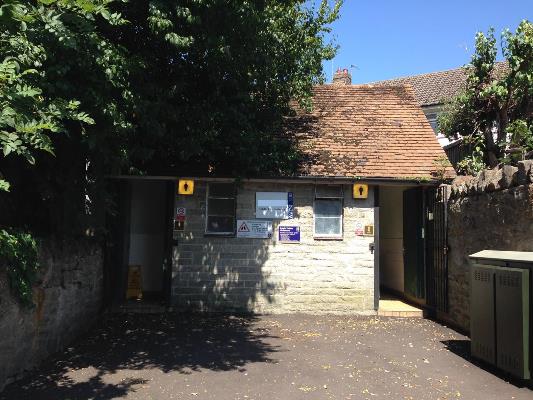
The church we were visiting did not have a toilet, which was reasonable enough given its age and listed-building status; the vicarage did have toilets (as you would expect) except the vicarage itself was inaccessible to a person in a wheelchair. Where then was Helena, who not unreasonably had reached the point when she wished to avail herself of these facilities, to go? The public conveniences were about 200 yards from the vicarage but on arriving at them we saw that there was no designated disabled toilet, in fact there were steps to get into both the ladies and gents (see picture above)

Where else could we try? Fifty yards down the road, the Catholic church was situated in a lovely new building with signposted disabled parking and push button entry access to presumably up to date toilet facilities – but the building was locked and empty. Around the corner there was a public house, and calling through the open back door we asked if we were able to use their toilets. We may, but whilst we could get into the pub, the toilets had a step down to them. Retracing our steps, we were advised that a key had been found for the village hall, this was some 500 yards in the opposite direction. Here there was a small disabled toilet, barely large enough to allow Helena to enter with her scooter and hopelessly maintained so that the clutch rail would not stay upright. We spend several minutes with the two of us trying manoeuvre ourselves, one holding up the rail, the other trying to fit into the cubicle, before I could step outside and she was finally able to relieve herself – so much for self-esteem and independence!

All in all this farce lasted about 40 minutes, and I jokingly said to Helena that it was good job she could hold on. To my dismay she told me that for many disabled people this was not the case – it’s called ‘social incontinence’, where lack of disabled facilities force otherwise continent people to resort to incontinence products simply to be able to go out into the world for any length of time. One more example of the removal of a person’s dignity.

Helena was just one person in that place at that time, but how many more people have come up time and again against the same problems and instead of feeling welcomed and able to play their full part in their communities have felt excluded and devalued.

What good is it, dear brothers and sisters,
if you say you have faith but don’t show it by your actions?
James 2:14

It is a hundred years since people and governments became more aware of the need to make provision for the disabled, following the many thousands of men who returned incapacitated from the First World War, either blind or limbless. One hundred years in which we have come a long way to recognise the equality of all in society and yet we still exclude and marginalise the disabled through not consulting or considering fully their needs, so that they can just BE

Maybe it’s time to look around the places you live and work in, remembering that it’s not just toilets but other things like ramps and rails; and when you spot something that needs changing, then do what needs to be done to make that change happen, including asking the people for whom you are doing it  what it is they really need.

Helena, endures much in the way that she has to adapt in order to undertake her studies and she shouldn’t have to. As I walk alongside her she has made me more and more aware of issues that should change and transform how we think and act as individuals, as a society and as Christians. This sort of teaching, in my mind, will always be more valuable than anything that an academic text book has to say.

An inclusive society means no-one should feel excluded

An inclusive society means no-one should be excluded

This piece has been written with the full permission of my friend and fellow Ordinand, Helena 

← Back

Thank you for your response. ✨