Talk given at Church Alive on Sunday 27th September for Disability Awareness Sunday based on 1 Corinthians 12:12-27
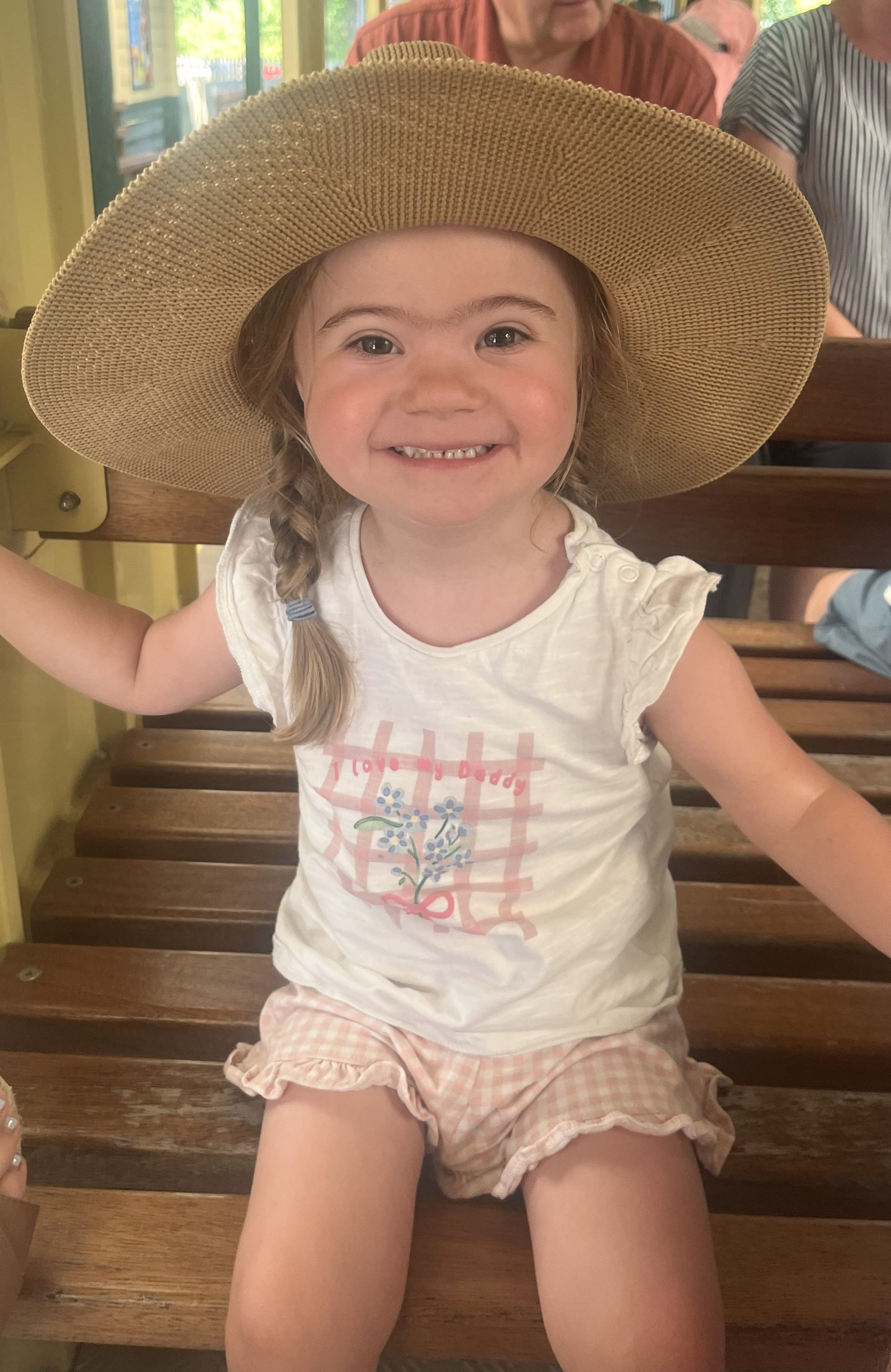
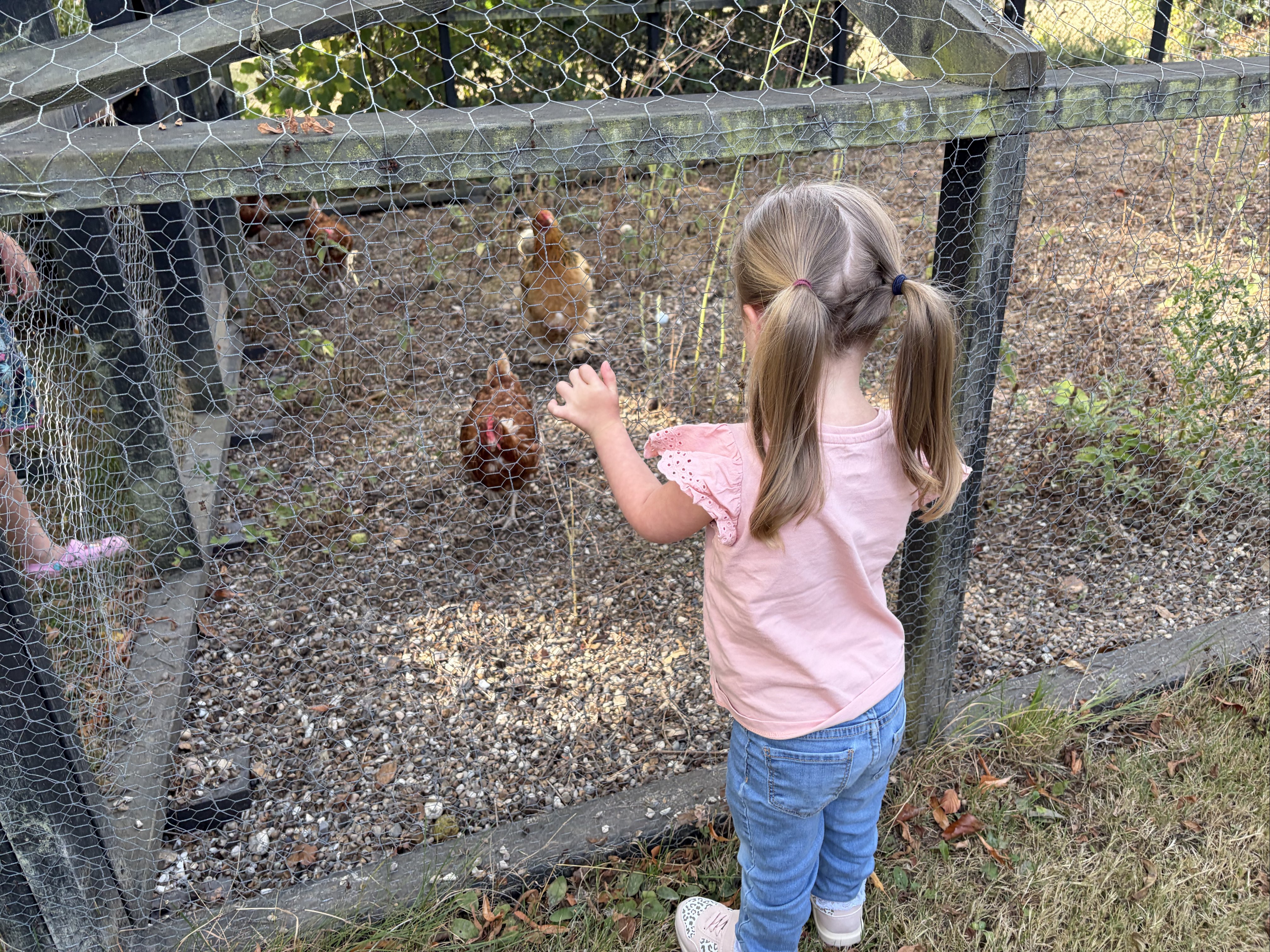
Florence is three years old. She is my granddaughter, one of four grandchildren, all precious and all unique.
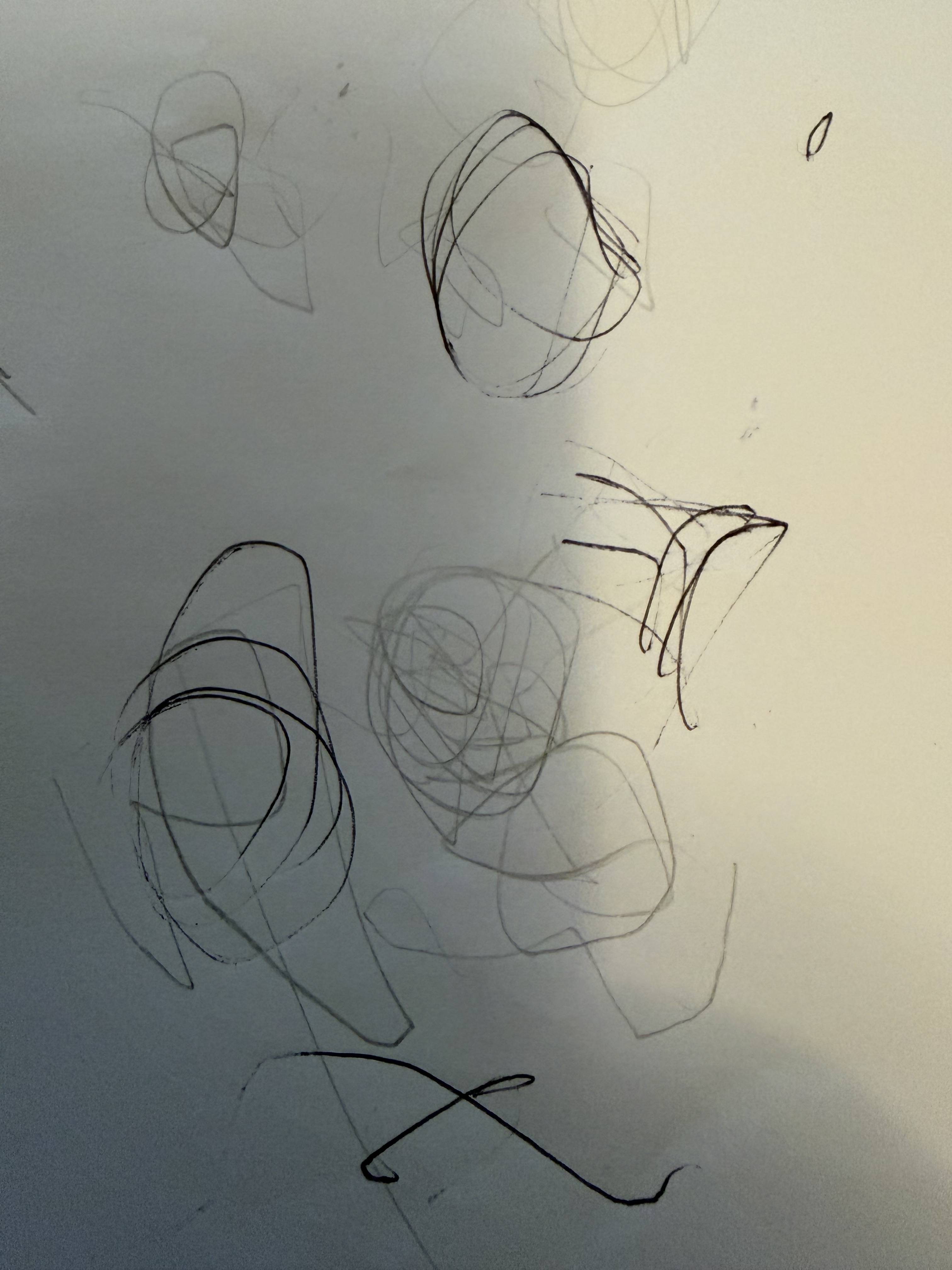
She attends a pre-school nursery and next year will be going to a local primary school to join the Reception class with her peers. She already has a fantastic pencil grip, creating masterpieces of circles.
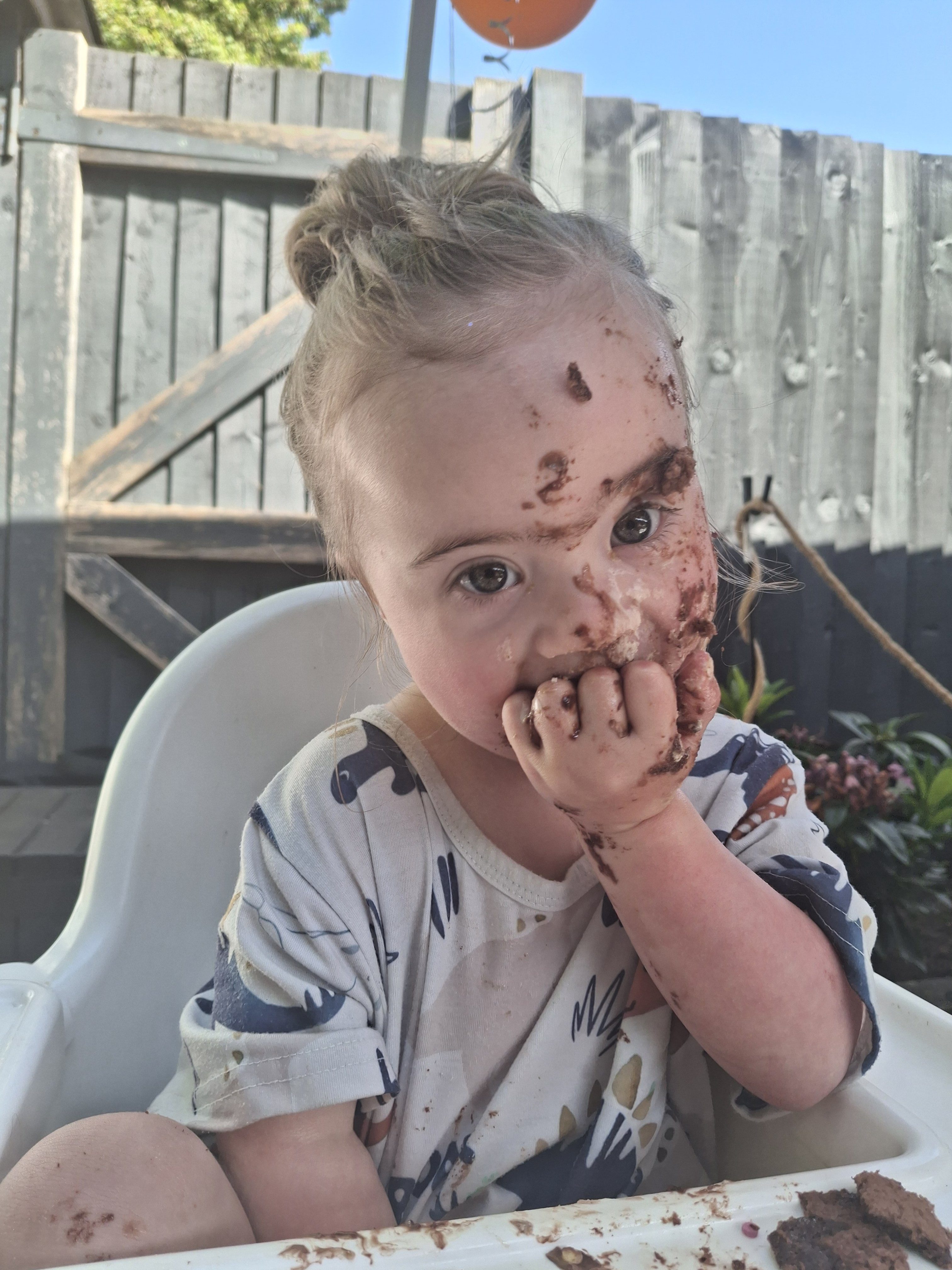
Since she has learned to walk, she can climb stairs, and if often found sitting on the top bunk in the bedroom when she visits us. She can also communicate her needs very clearly, able to make choices about what she likes and dislikes, she knows which cupboard is where the biscuits are kept, and had been known to raid the fridge when she knows a pack of strawberries have been put in there from the shopping! She uses a knife, fork and spoon to eat her meals, although she sometimes finds its quicker to use her hands when chocolate cake is involved.
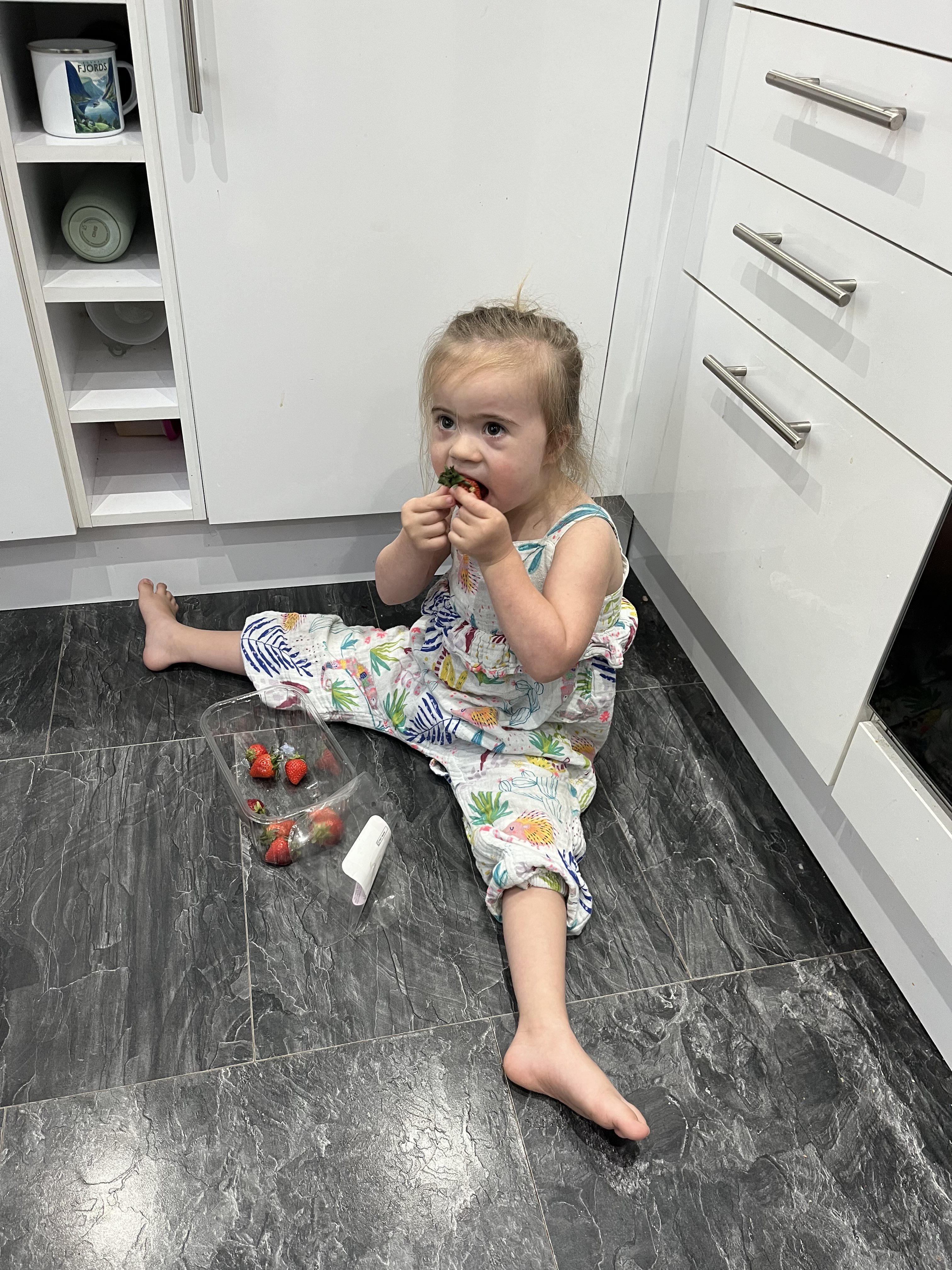
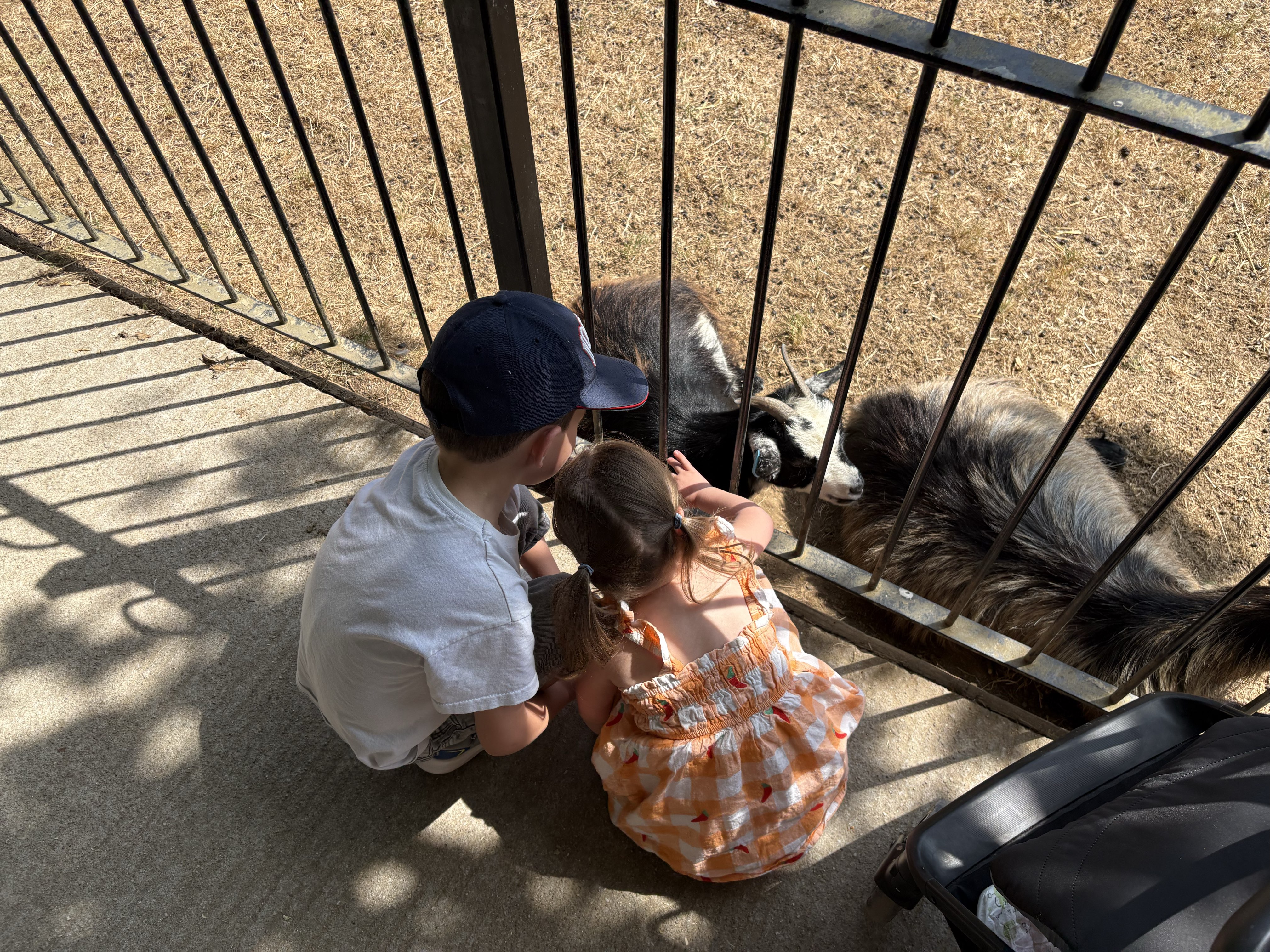
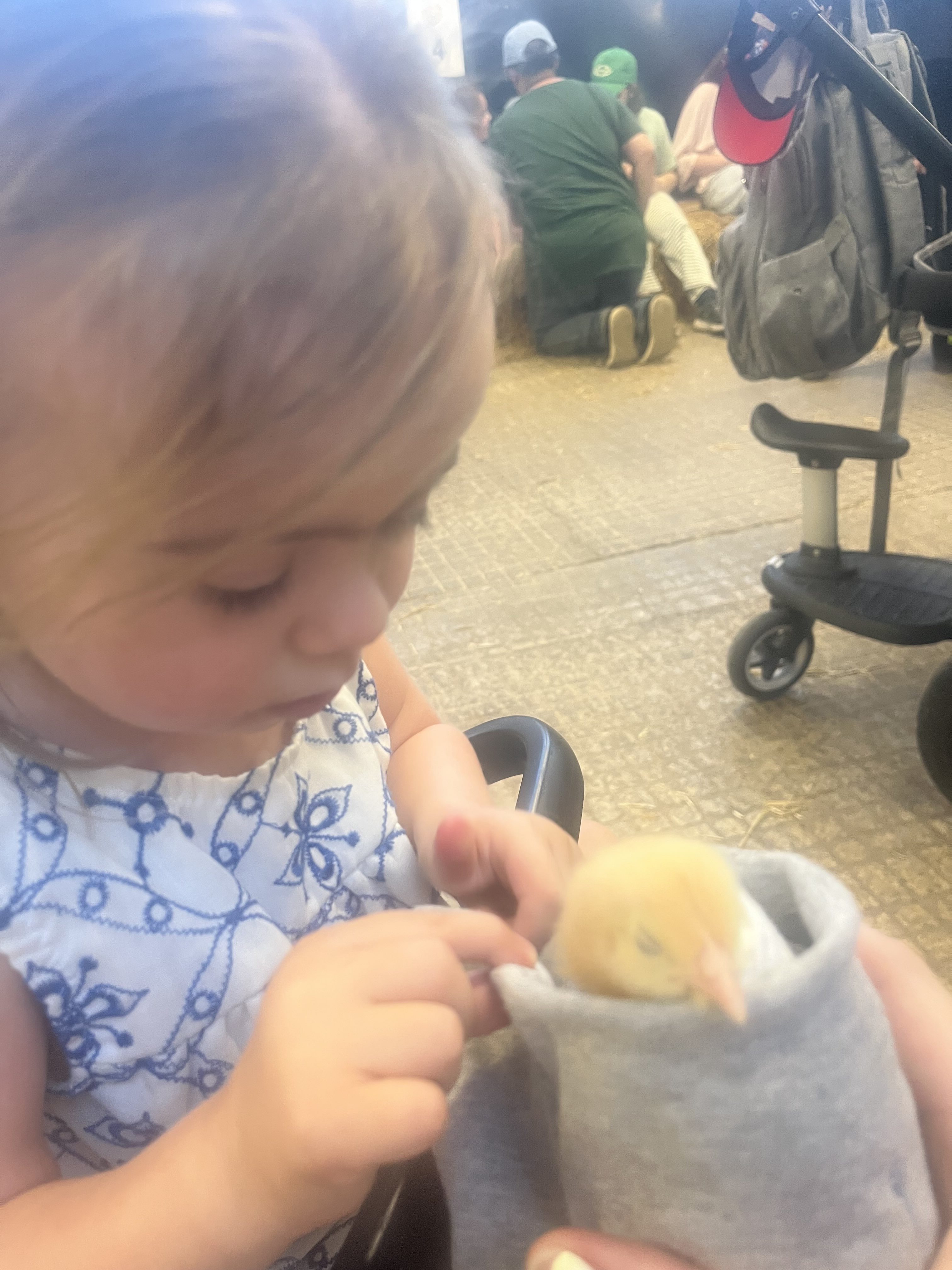
She has great empathy for all God’s creatures, and is very caring and gentle. This also comes across when she is playing with her dolls, nursing them, feeding them and putting them to sleep in their cot.
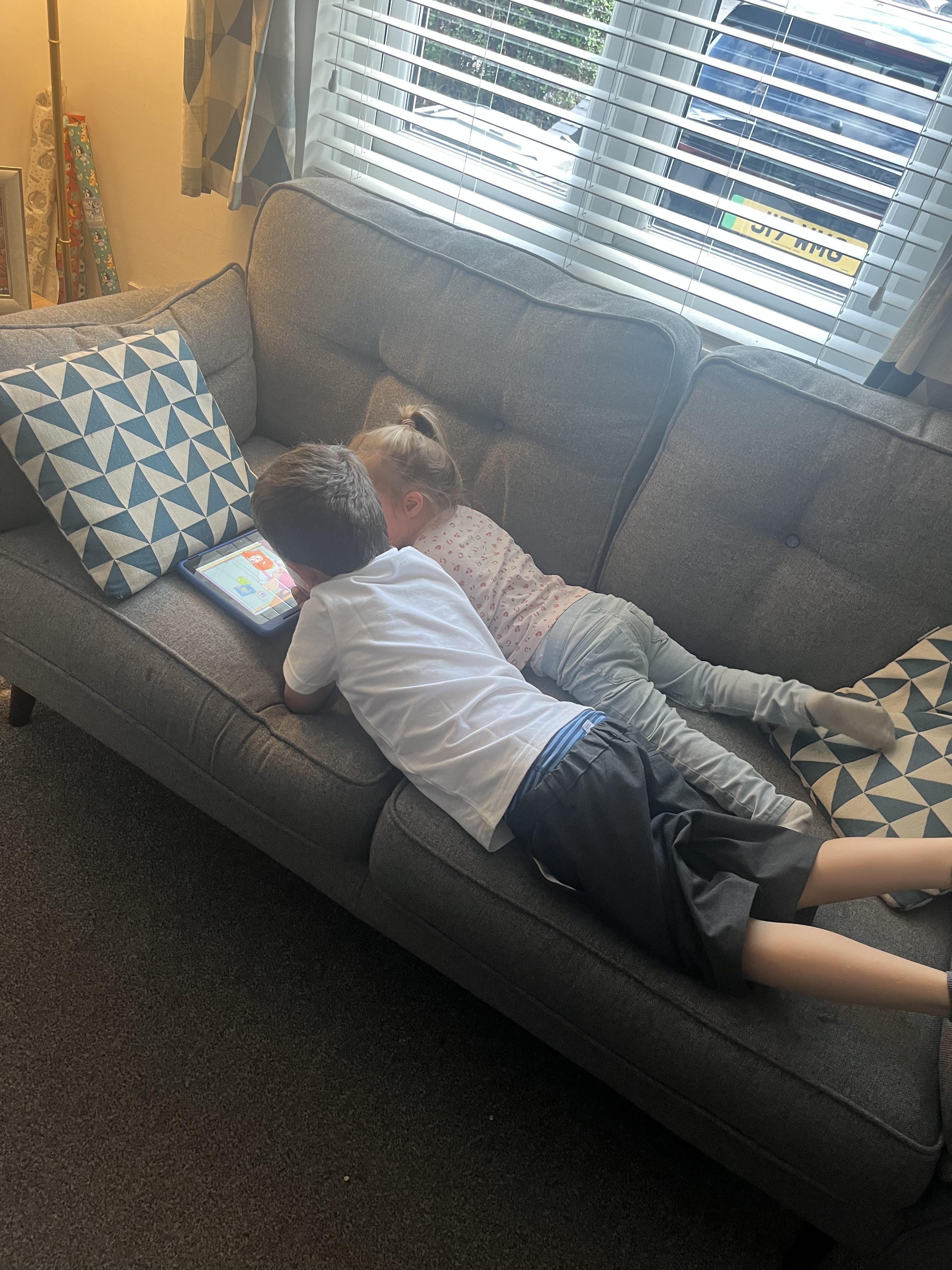
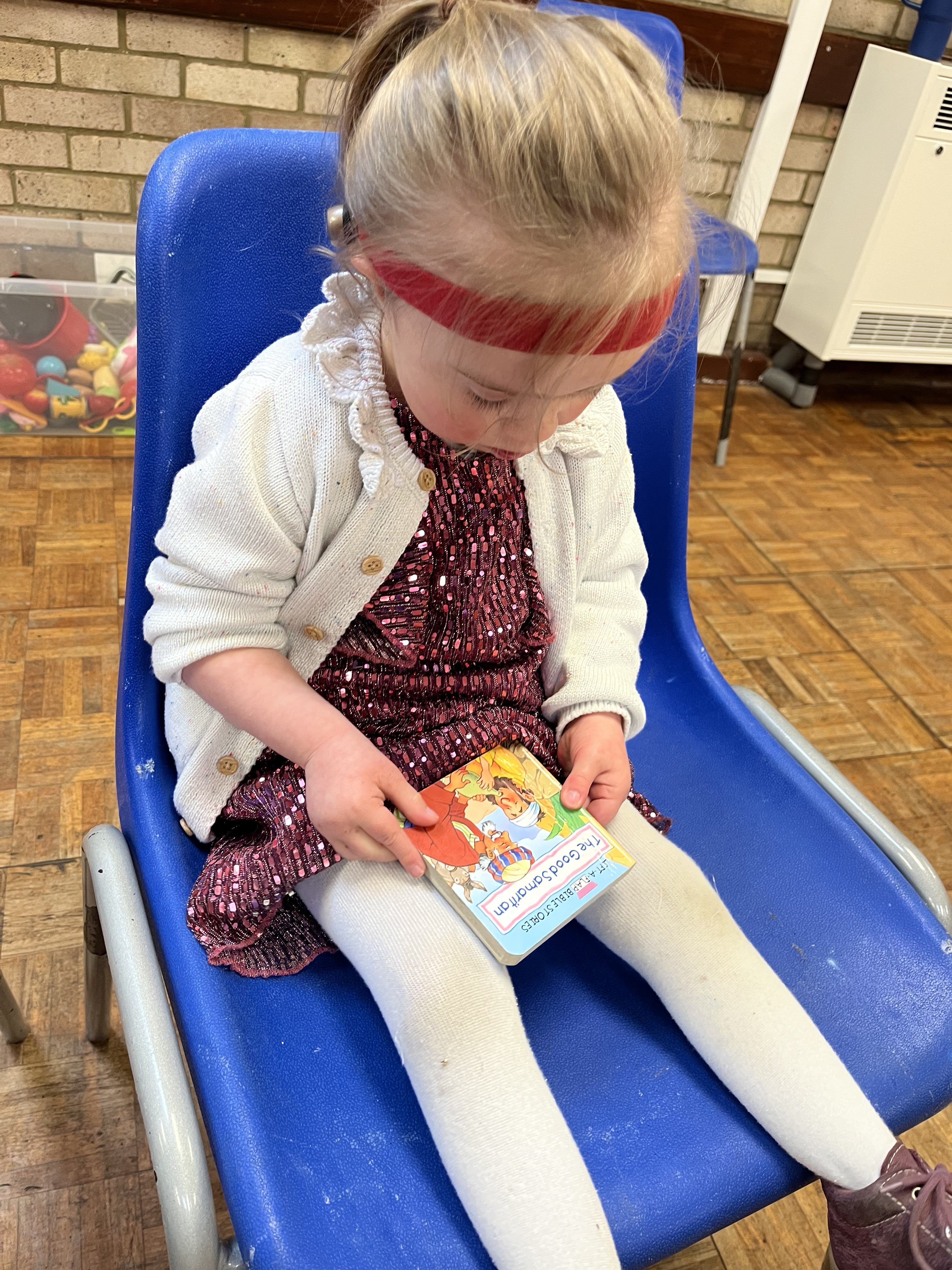
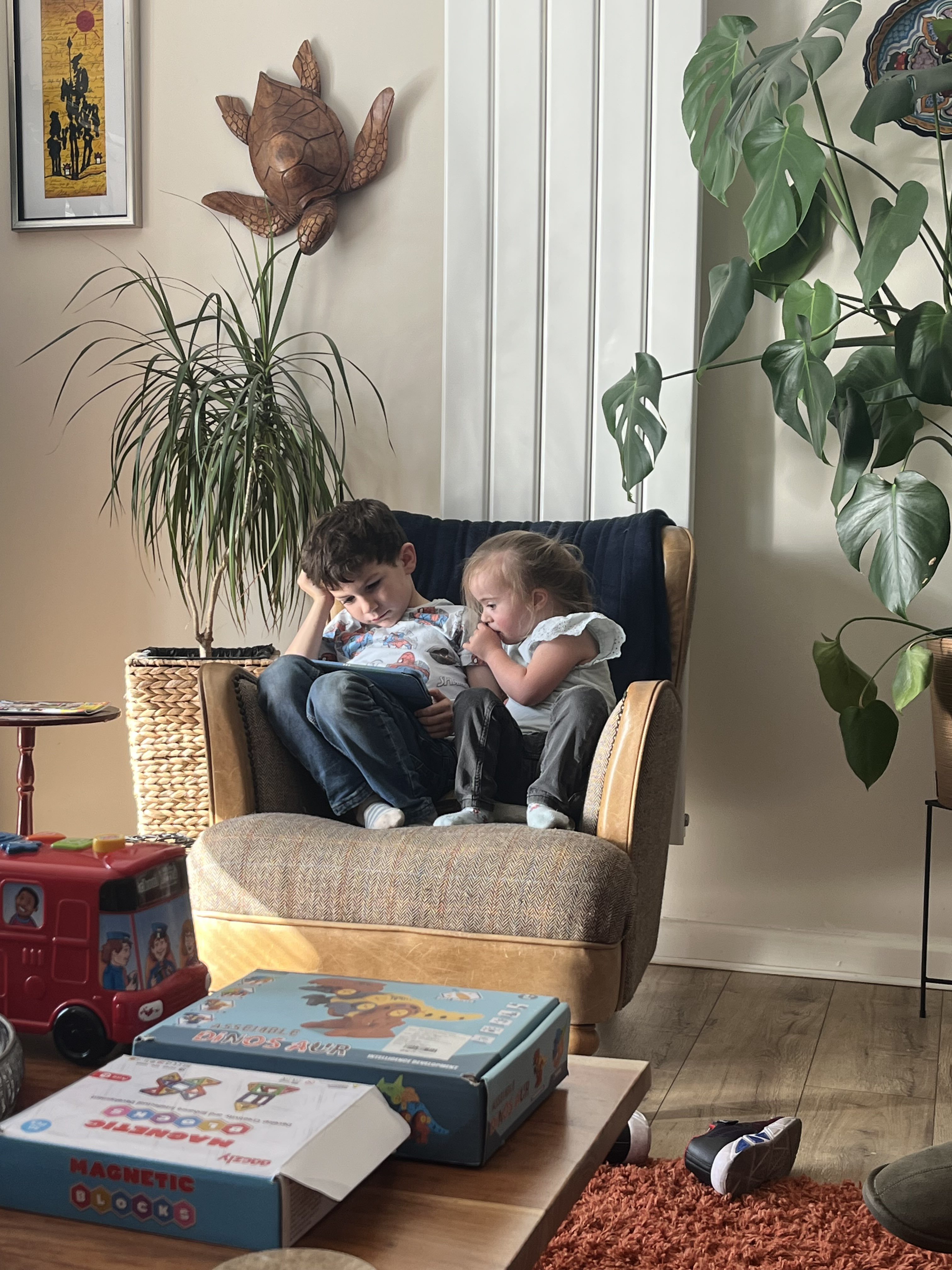
She also loves playing games on the iPad, as well as reading books. Most of the time she likes to sit alongside her brother, but we often find she has selected a book from the book box and will be sitting down, turning the pages and able to point out different objects if you ask her to find them.
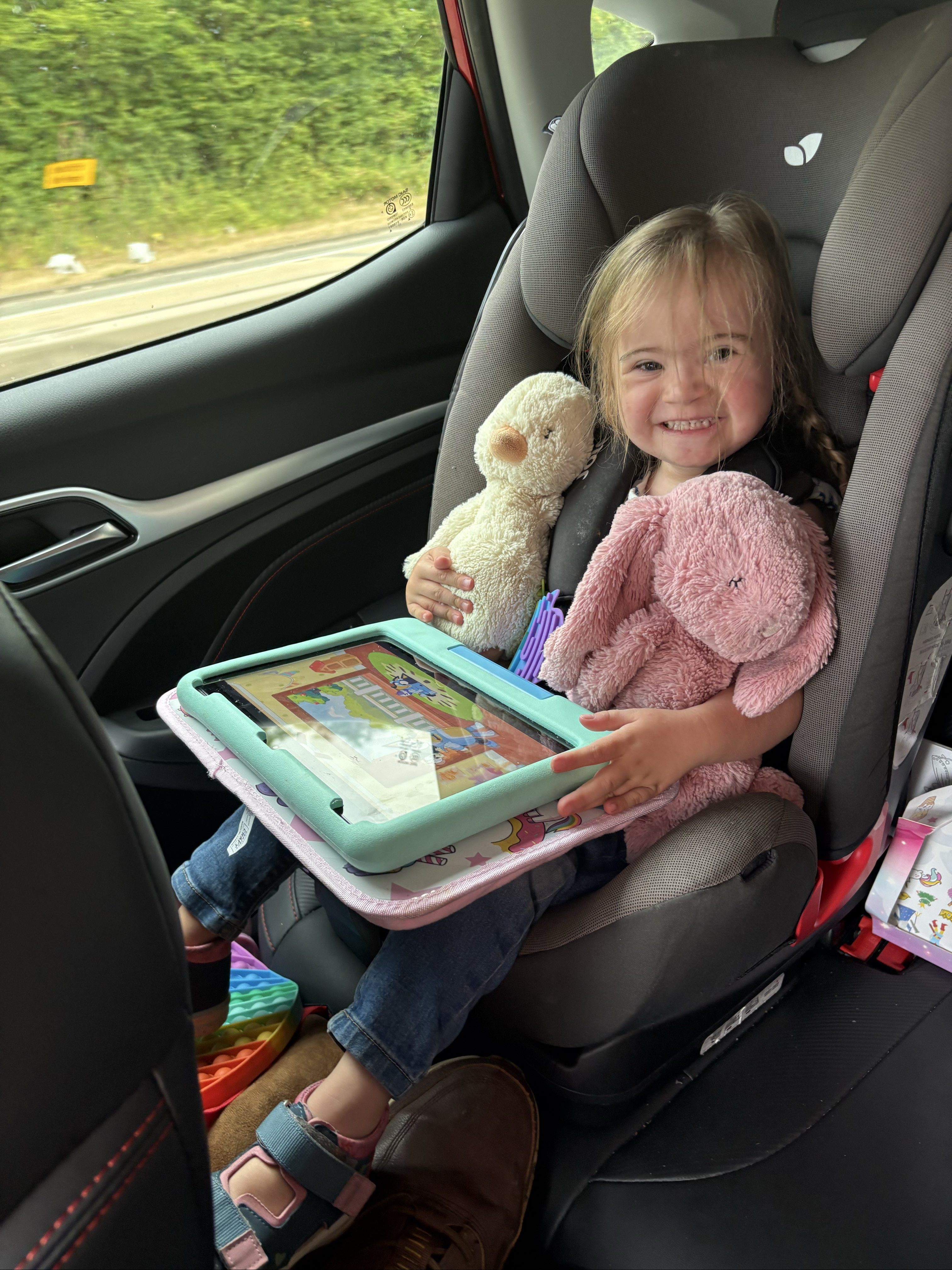
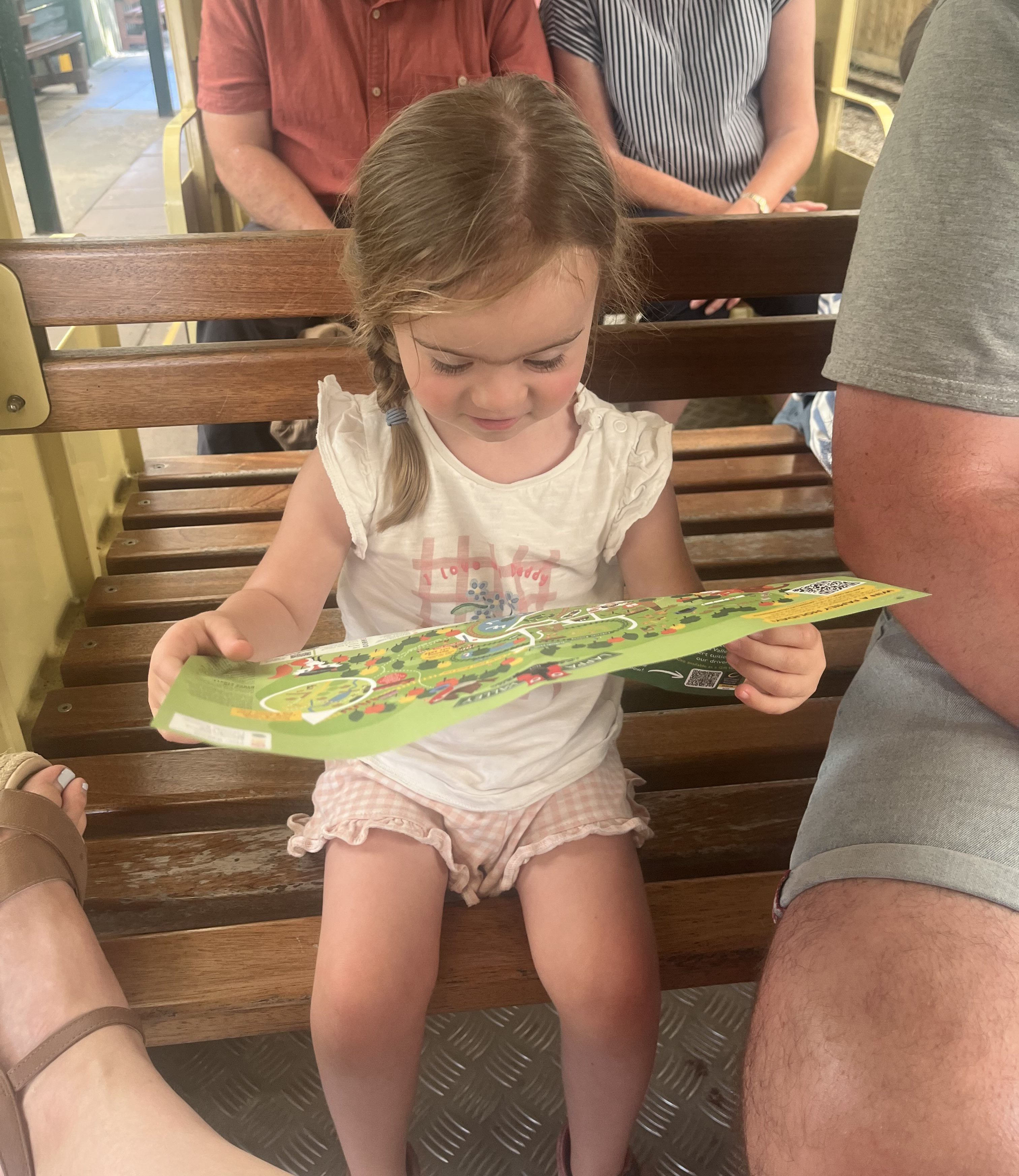
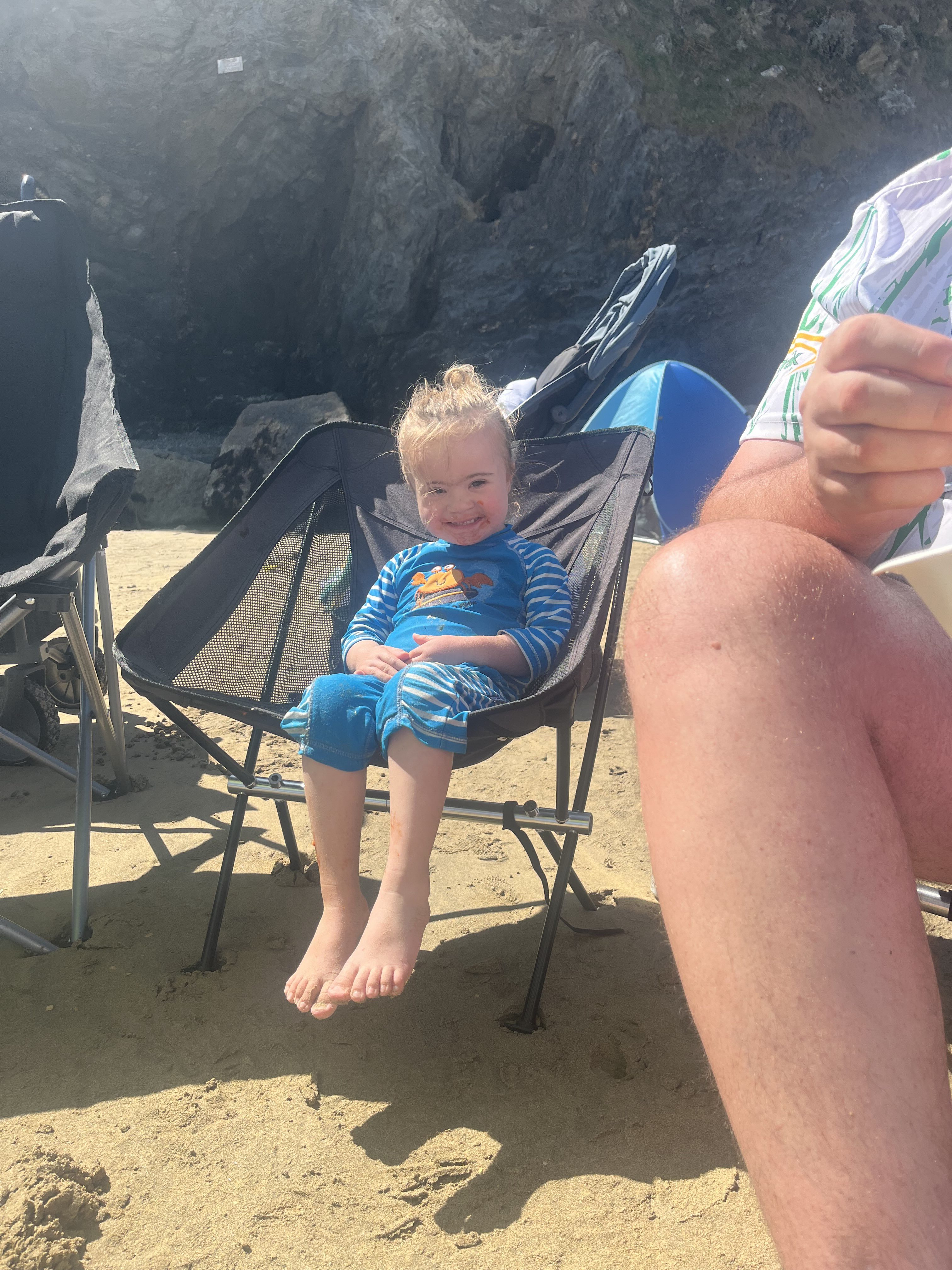
She loves spending time on holiday with her family and her aunts, uncles and cousins, as well as enjoying trips out to see and explore different places.
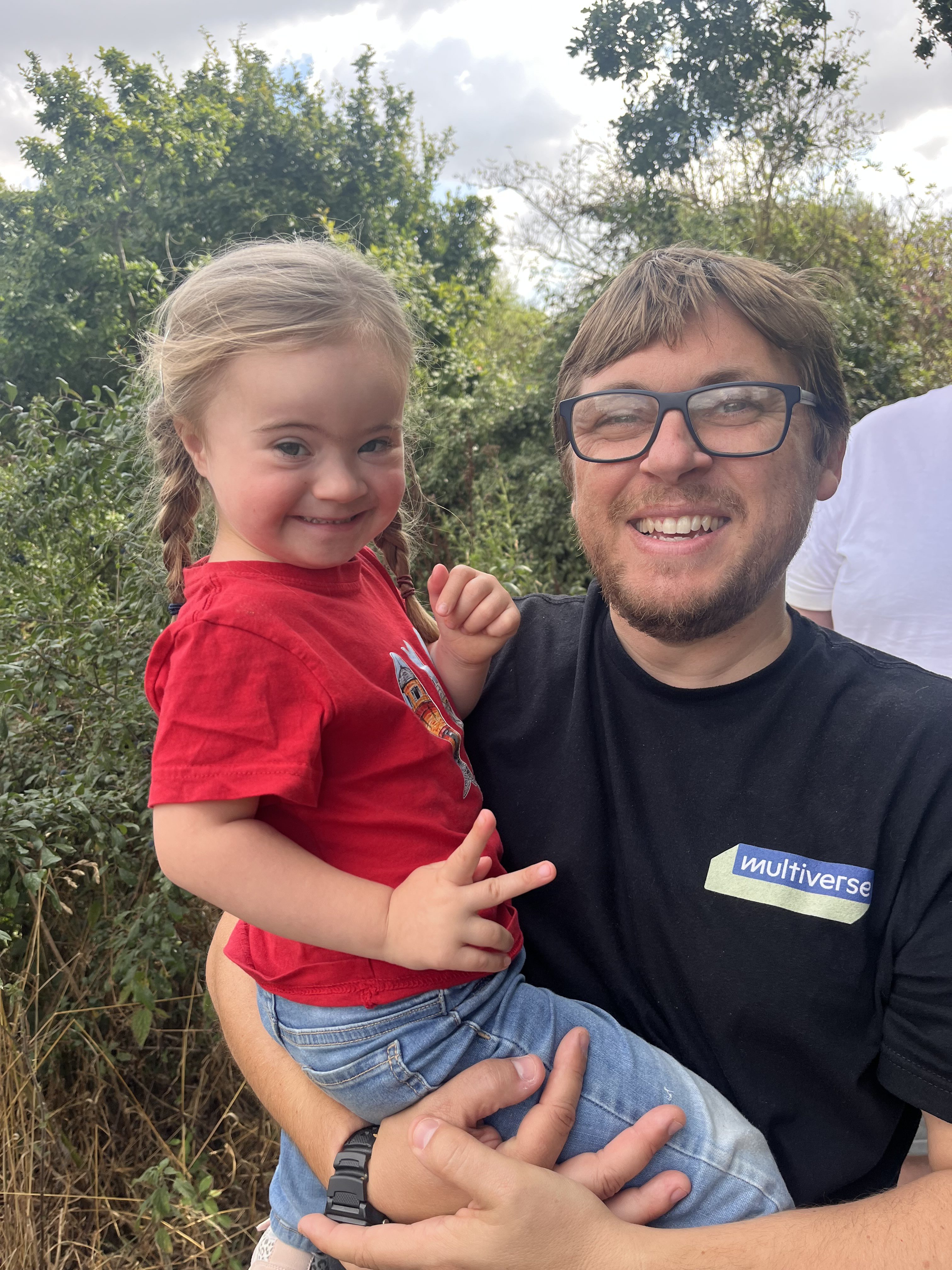
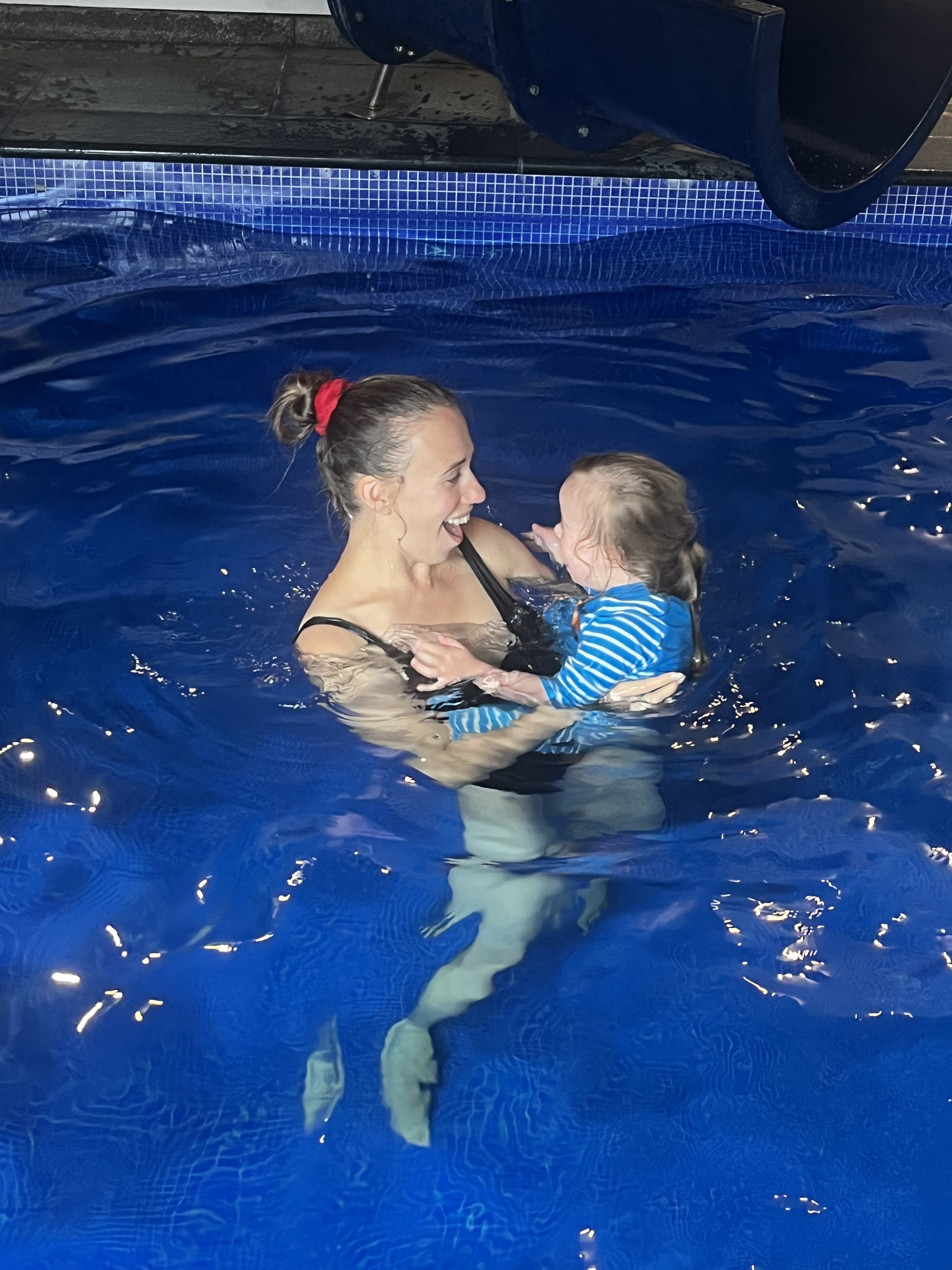
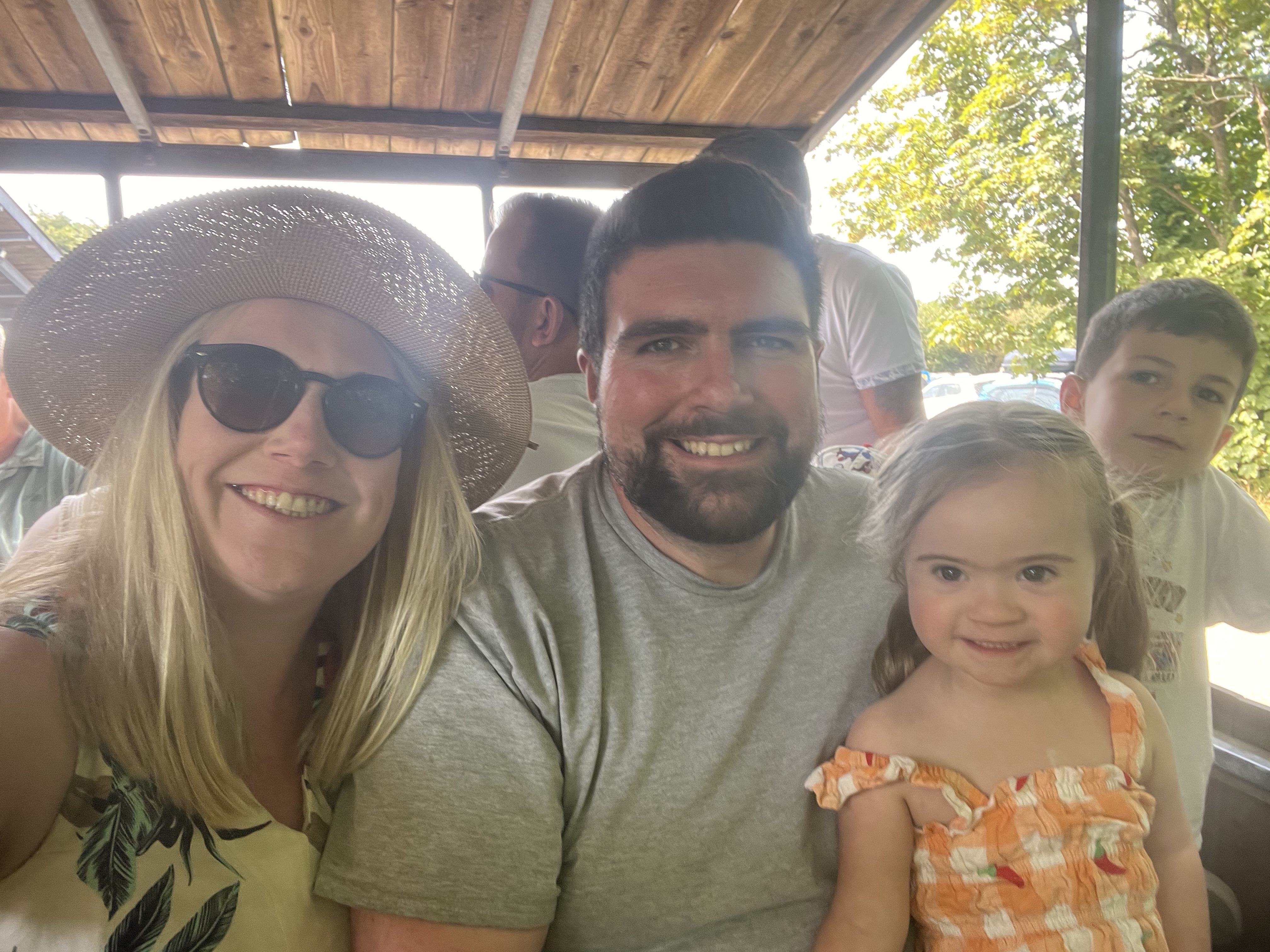
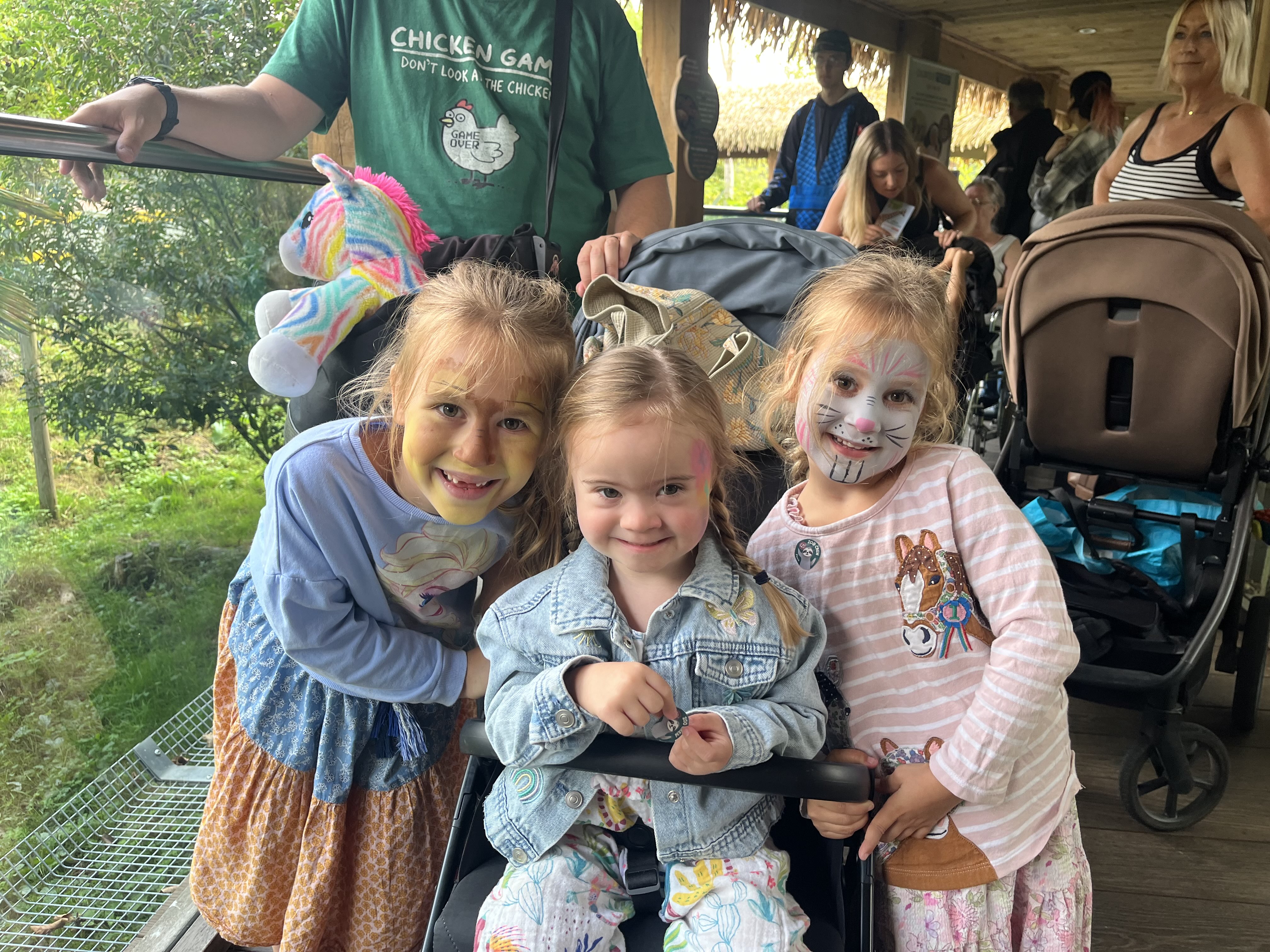
When Florence was two and a half years old, she underwent open heart surgery, which was pretty scary, but in true Florence fashion, within 24 hours she was trying to sit up, and after five days she was sent home, already showing everyone that there’s not much that stops her living a full life.
The fact is Florence is a on many levels the same as any other three years, but there’s one thing that’s different. Florence has a condition called Down Syndrome.
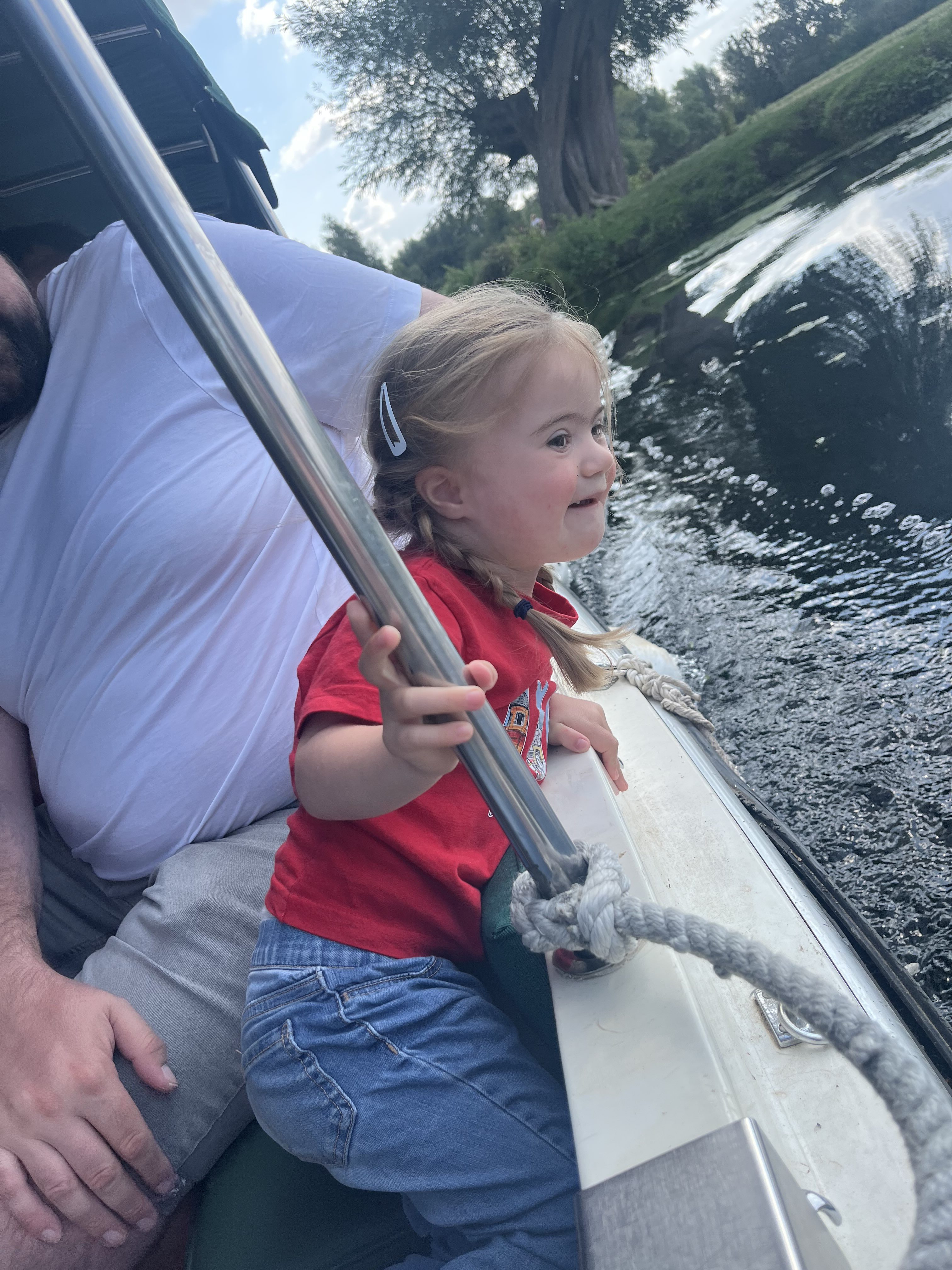
For those of you who might not know what that is, Down Syndrome it is a life-long genetic condition, caused by having an extra copy of chromosome 21. Its pure chance that you that you get that extra chromosome which happens because of a change in the sperm or egg during conception. This change does not happen because of anything anyone did before or during pregnancy.
People with Down syndrome are likely to have some level of learning disability. This means they’ll have a range of abilities. Some people will be more independent and do things like get a job. Other people might need more regular care.
There are also some preconceived ideas that people have about people with Down Syndrome. That they are very kind and loving and more often than not, happy and smiling; but they can also be angry and determined to get their own way. Clever at discovering things, and sad, able to show great empathy and emotion, exactly like every typical three-year-old.
However, the fact is that Florence has been given a label. A label that says she is disabled. Now that label can in some ways be a good thing, in that it provides additional care for her health and wellbeing,
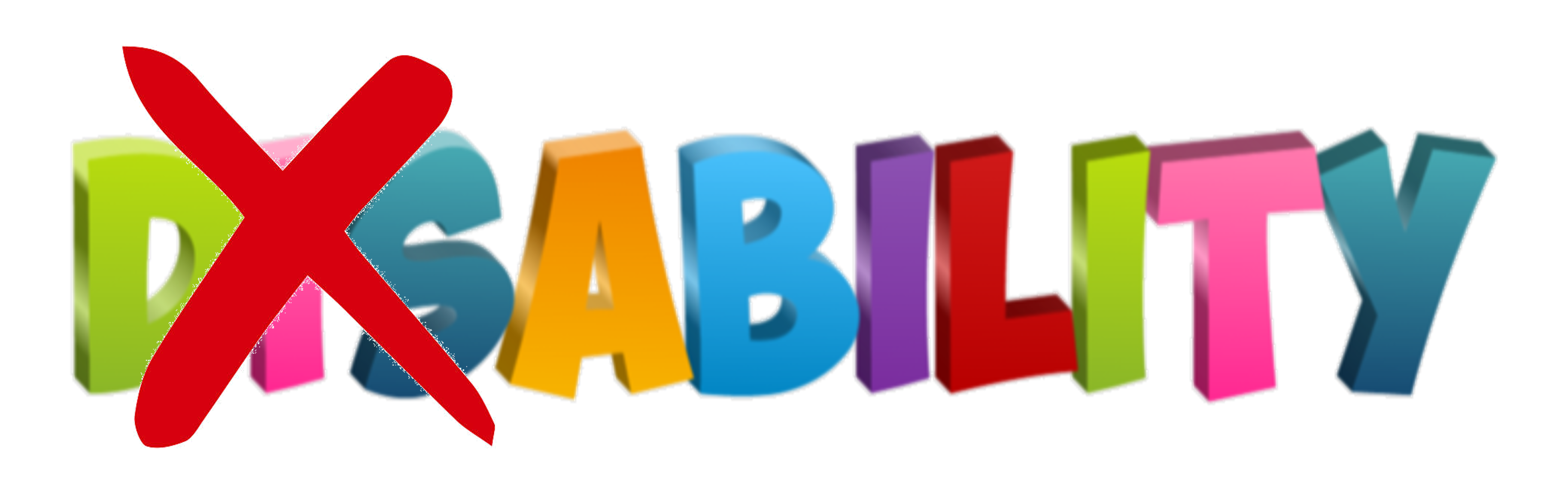
But I have a bit of a problem with the word ‘disability’. The dictionary defines it as ‘a physical, mental, cognitive, or developmental condition that limits a person’s ability to perform certain daily tasks or participate in typical activities.’ And that is true, but the prefix ‘dis’ which means ‘not’, turns a positive word ‘able’, into its negative or opposite meaning. Also ‘to ‘dis’ someone, means that you treat them with disrespect or contempt.
Perhaps instead of the prefix ‘dis’ we should use ‘en’, Disable becomes enable, turning a noun or adjective into a verb that means ‘making it happen’.
We need to enable everyone to achieve whatever goals they are capable of. This starts with the person, not the disability, by asking what the person wants to achieve rather than assuming what they need, by identifying their strengths, preferences, interests, and existing abilities, letting them make decisions about their own life wherever possible. Also avoiding assuming that one person’s needs are representative of everyone with the same disability.
We can do this by identifying and removing physical, technological, financial, social, educational, or organisational barriers. Providing the right level of support to enable independence and making opportunities genuinely accessible. By building skills and confidence, and judging success by the person’s own goals.
The objective should not be “make the person as normal as possible.” It should be to “give the person a fair opportunity to pursue the life they choose.” But hang on, isn’t that want we want for everyone?
People with Down syndrome or any other disability, whether visible or invisible, like everyone, have their own personalities, things they like and dislike, things that make them who they are. In fact, exactly as God intended us all to be, unique, diverse and part of his church.
One body, many parts, all united, all needed, all honoured.
Amen
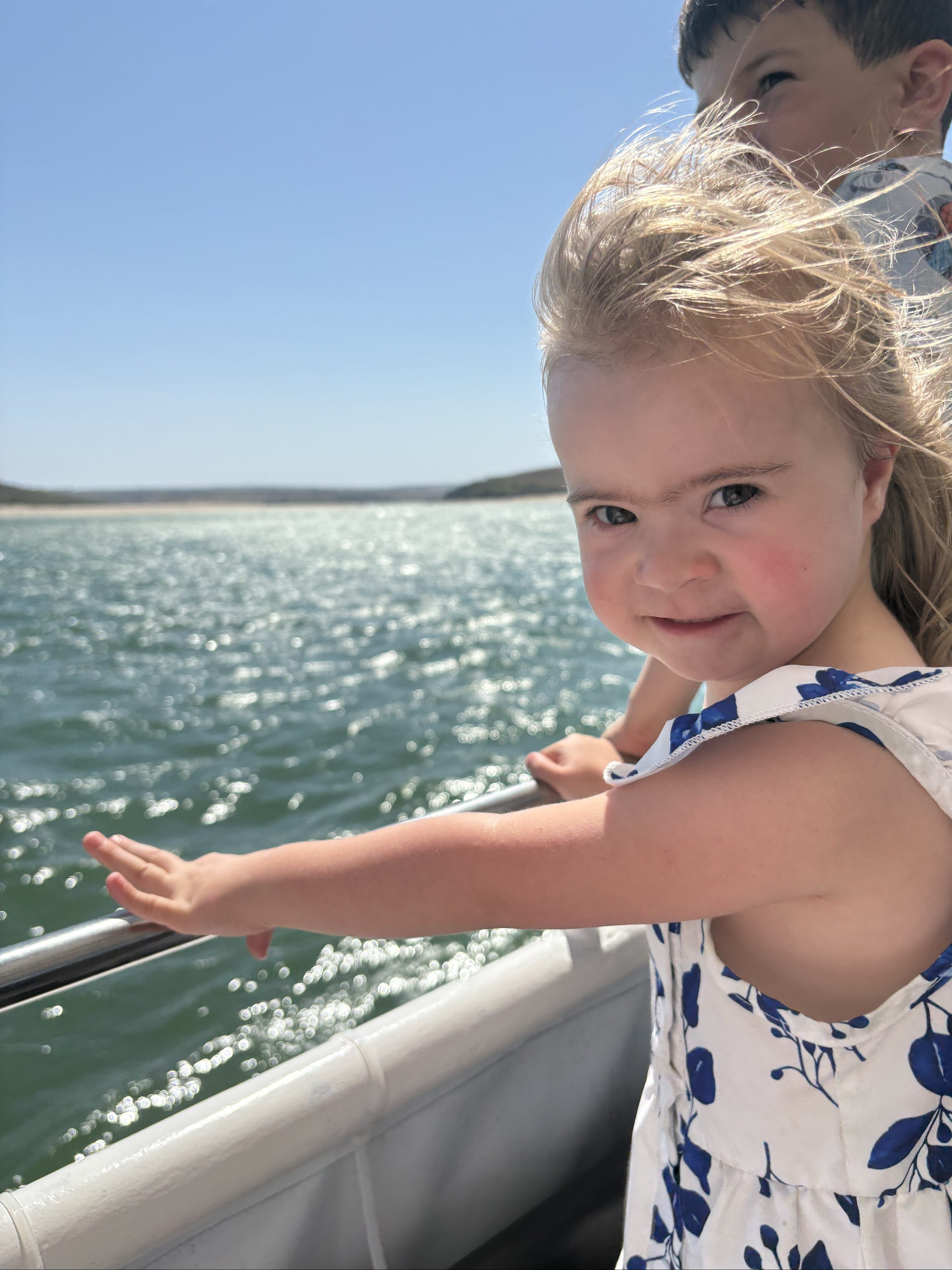
Florence has been incredibly well supported by the Portsmouth Downs Syndrome Association Home – Portsmouth Down Syndrome Association . Her mum and aunty are taking part in the annual Great South Run. If you feel that you could support them then you can do so here Portsmouth Down Syndrome Association: Florence’s Green Army