Tag Archives: labels

This Is Florence…

Talk given at Church Alive on Sunday 27th September for Disability Awareness Sunday based on 1 Corinthians 12:12-27

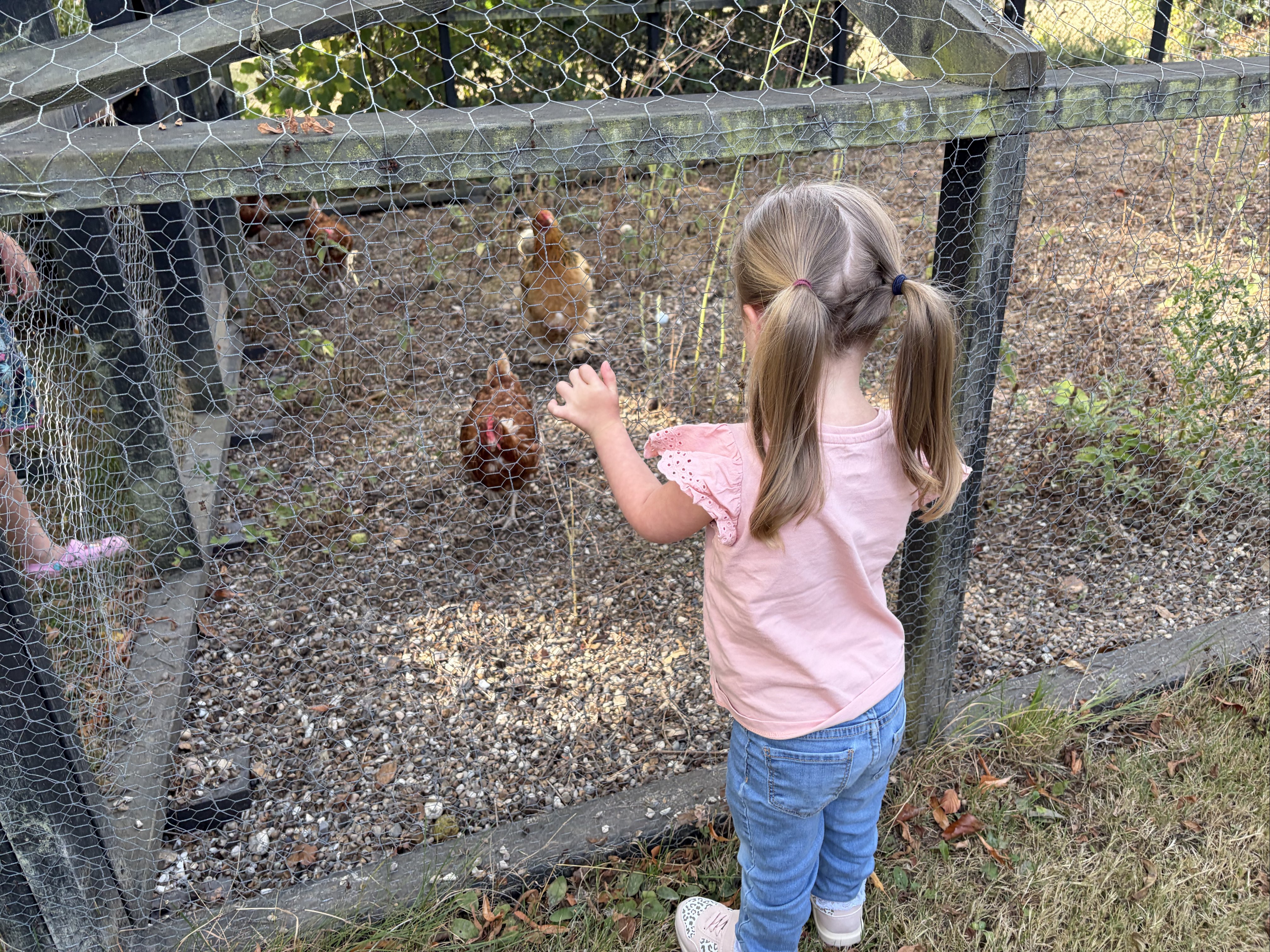
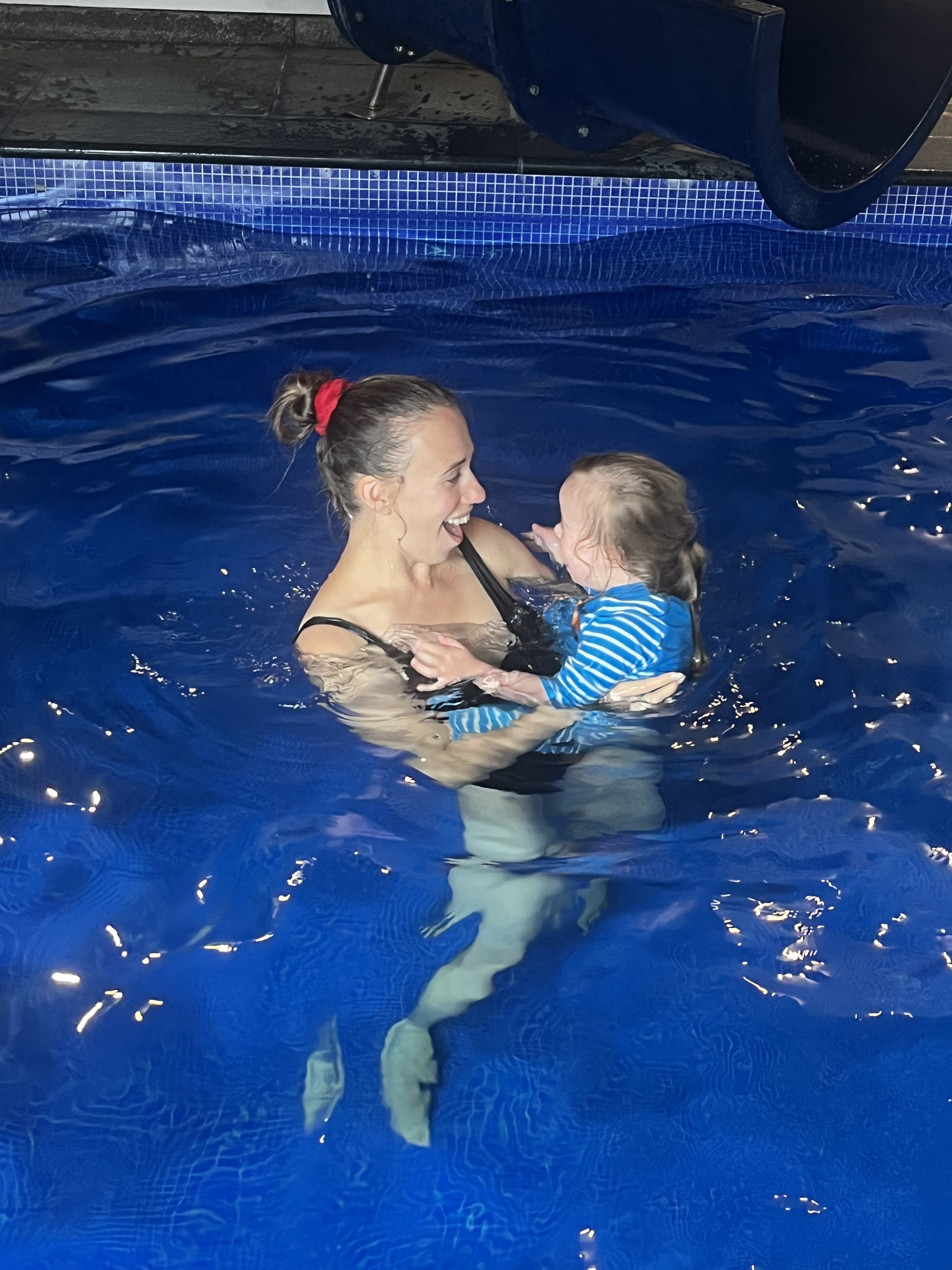
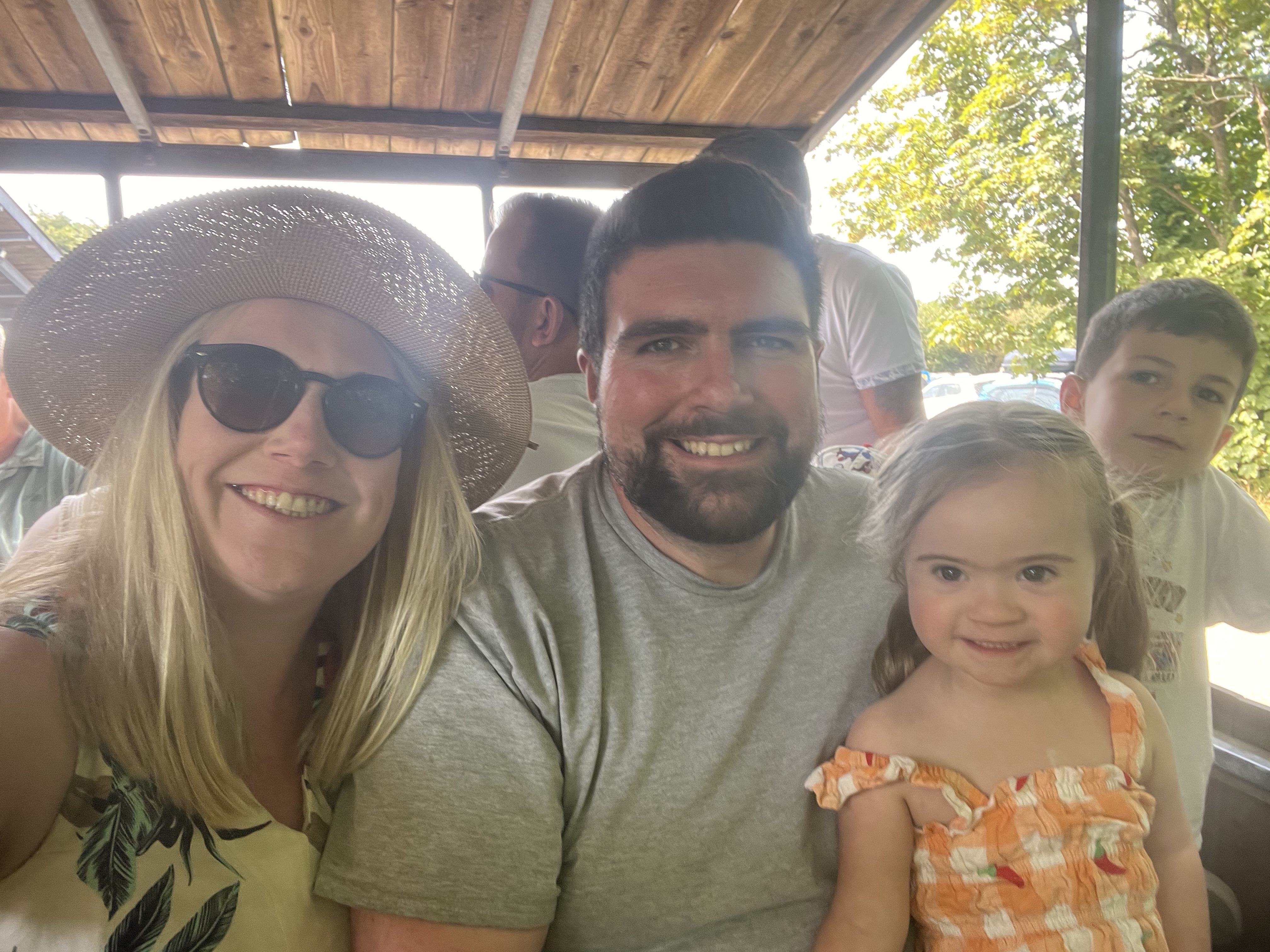
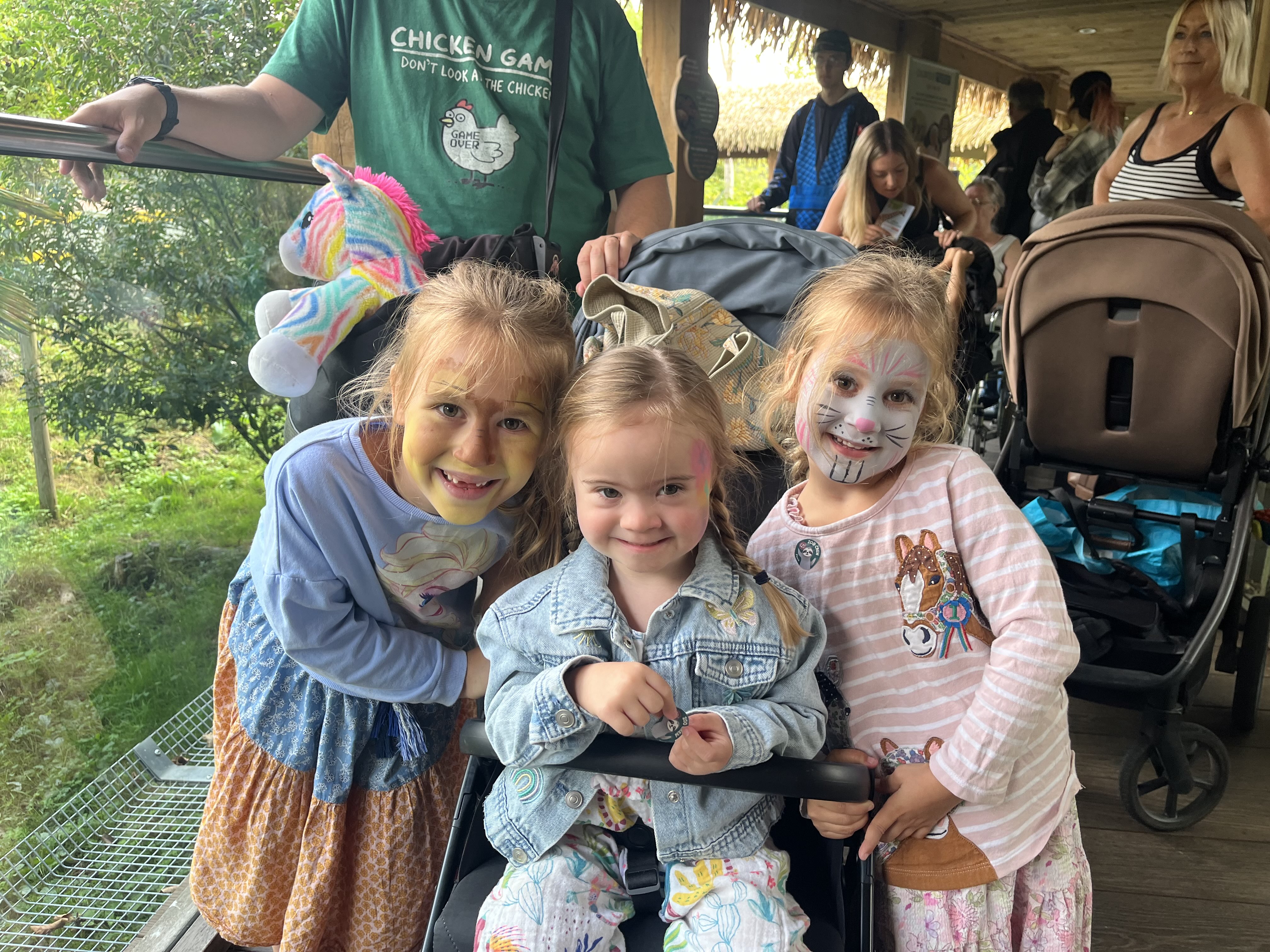
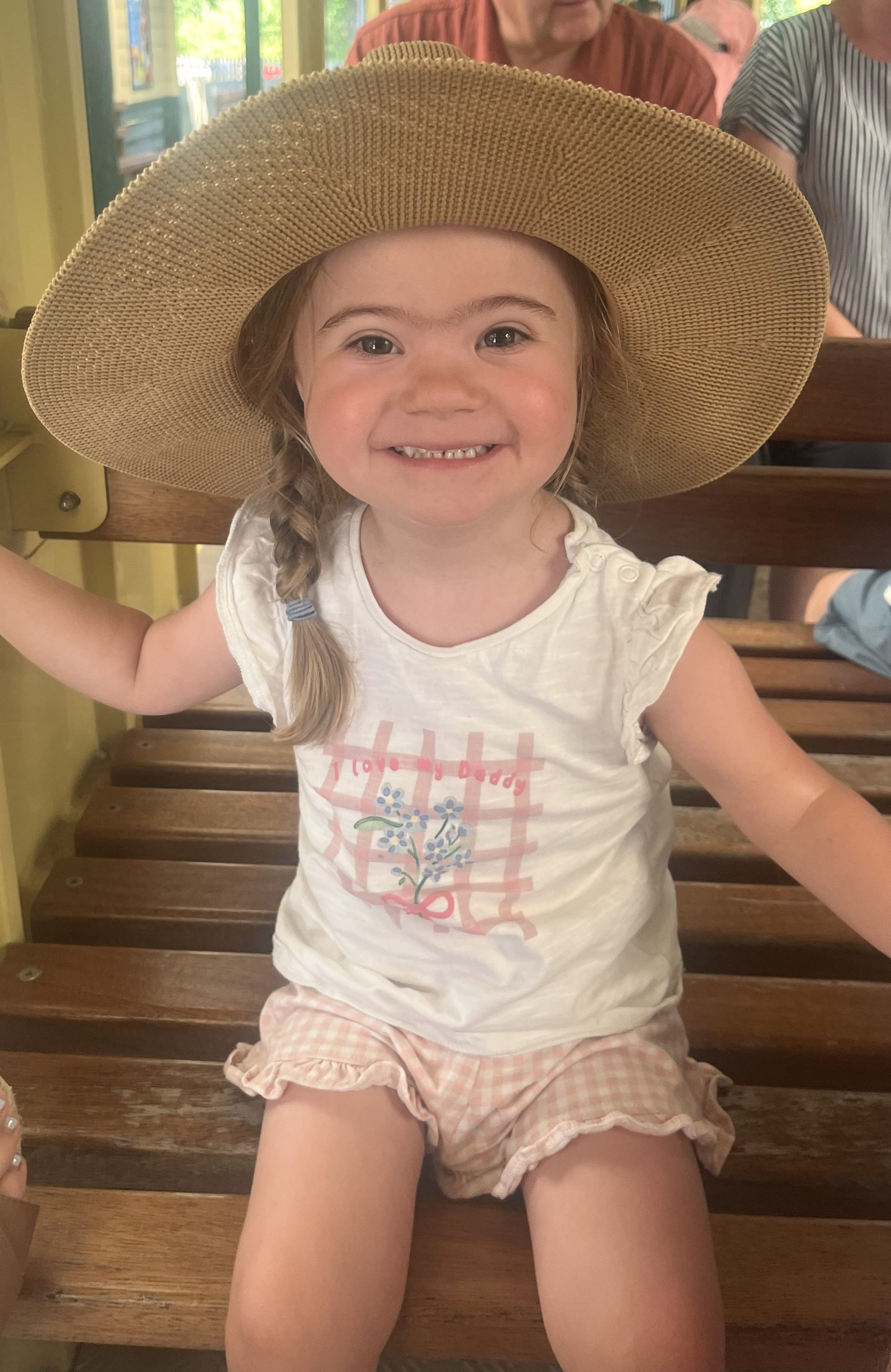
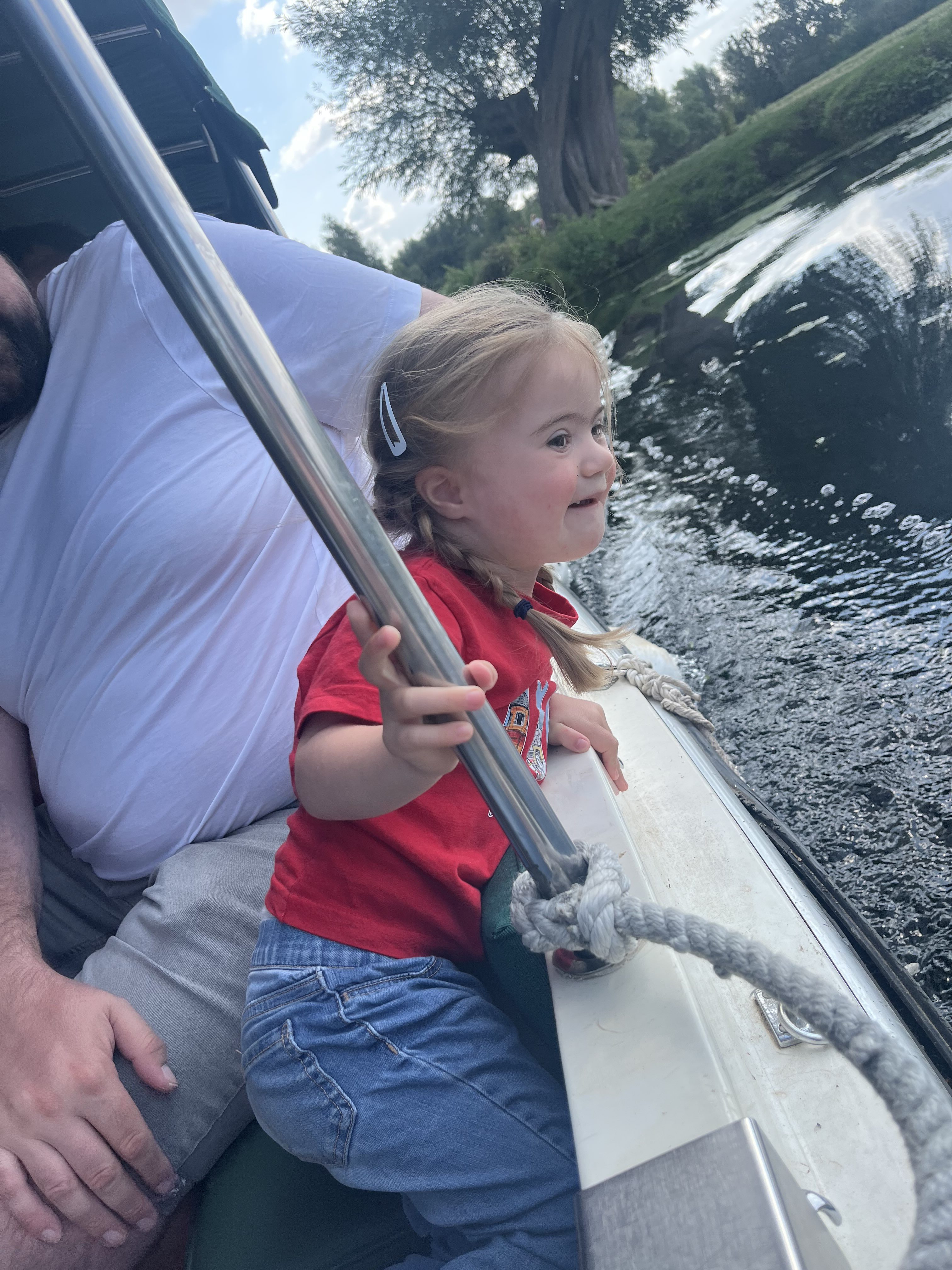
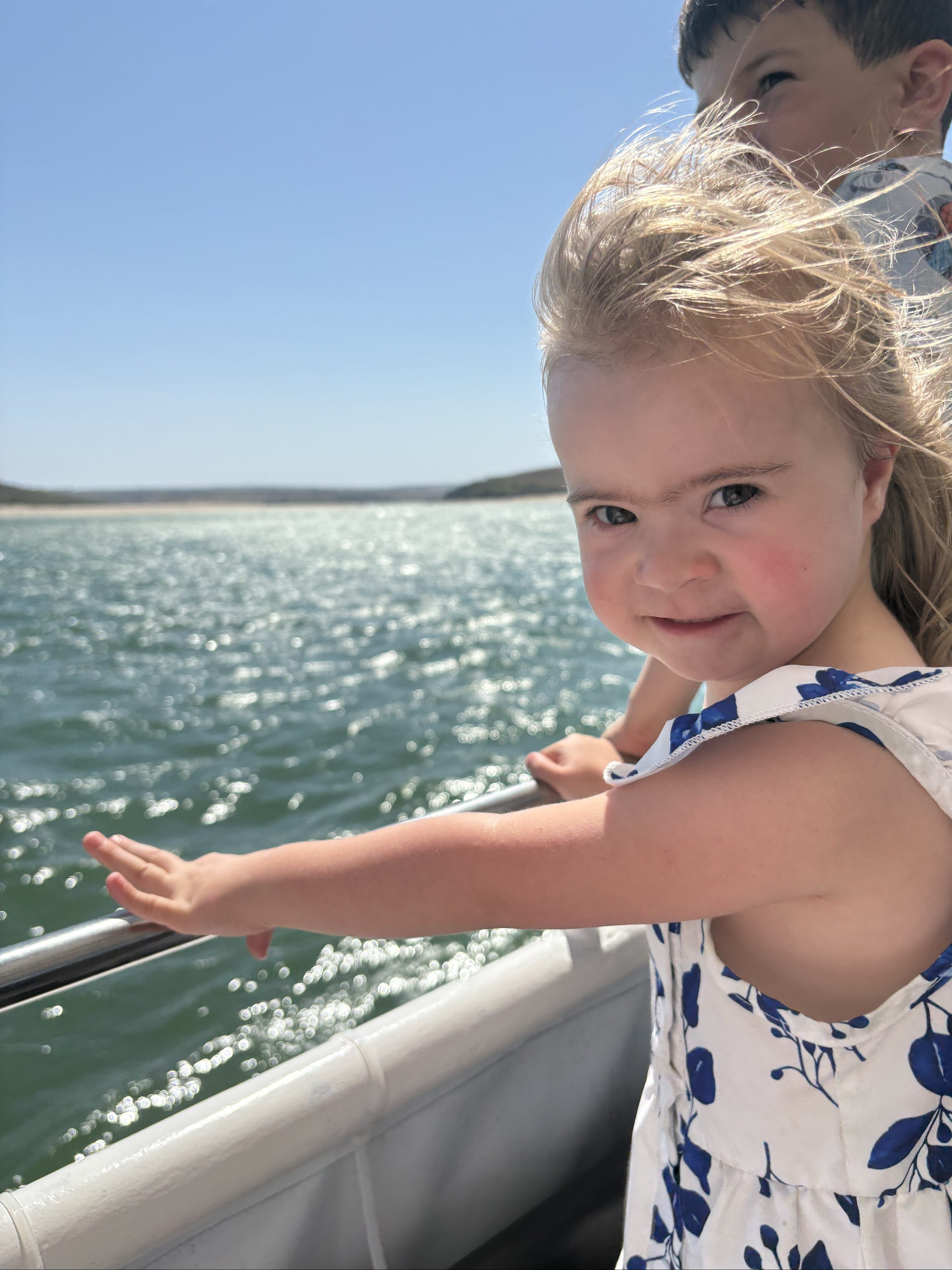
Florence is three years old. She is my granddaughter, one of four grandchildren, all precious and all unique.

She attends a pre-school nursery and next year will be going to a local primary school to join the Reception class with her peers. She already has a fantastic pencil grip, creating masterpieces of circles.
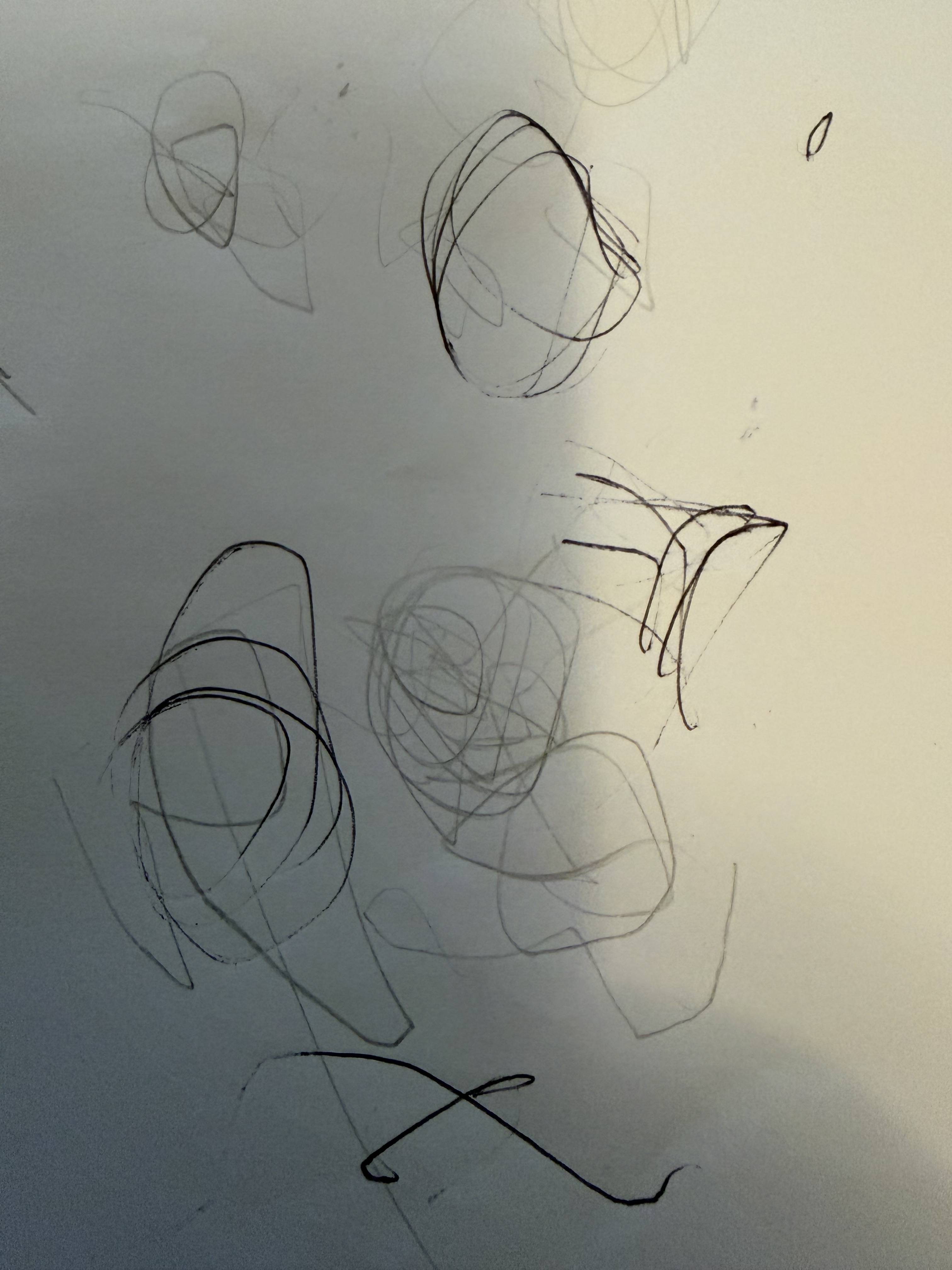
Pencil Scribbles

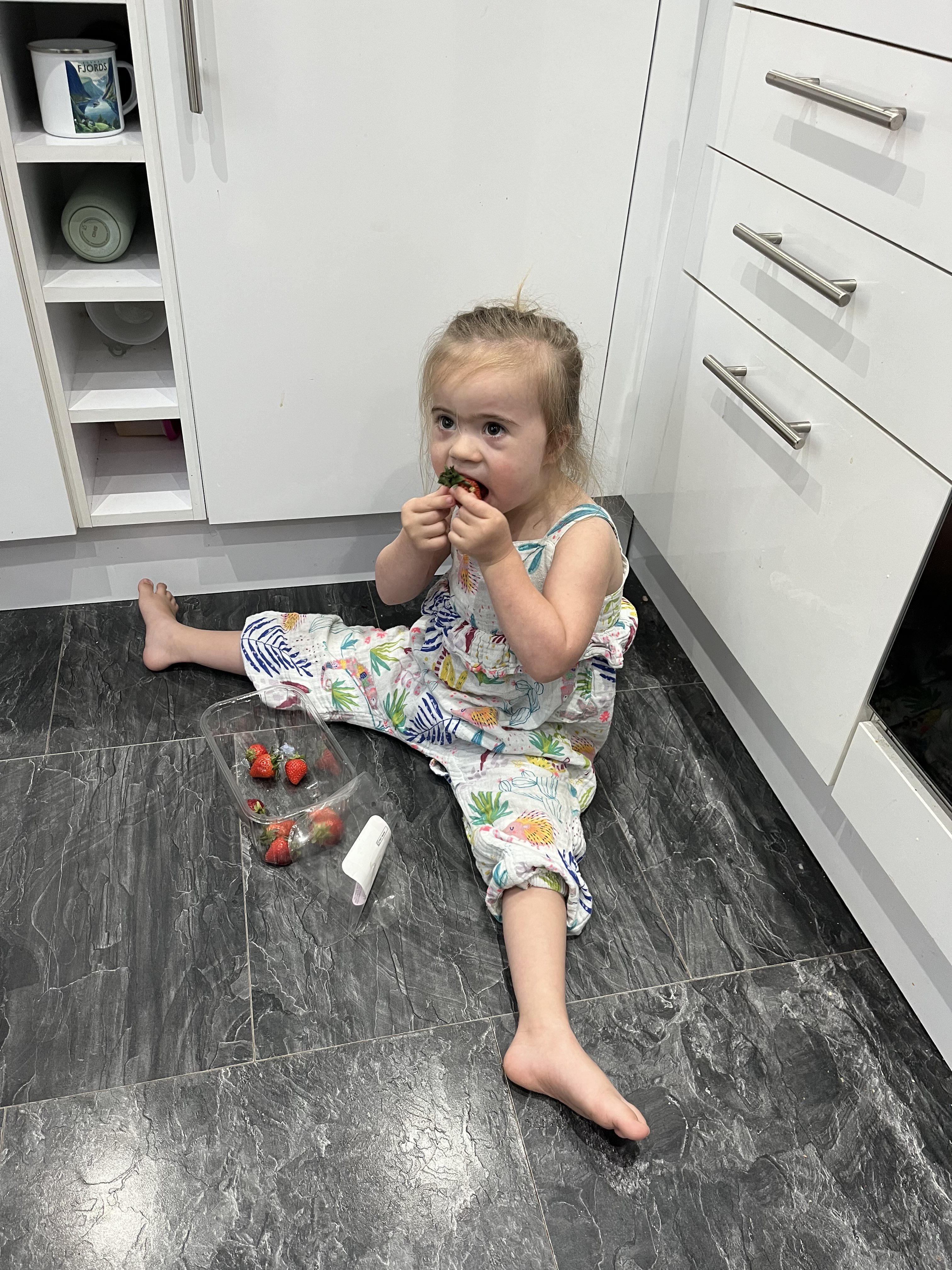
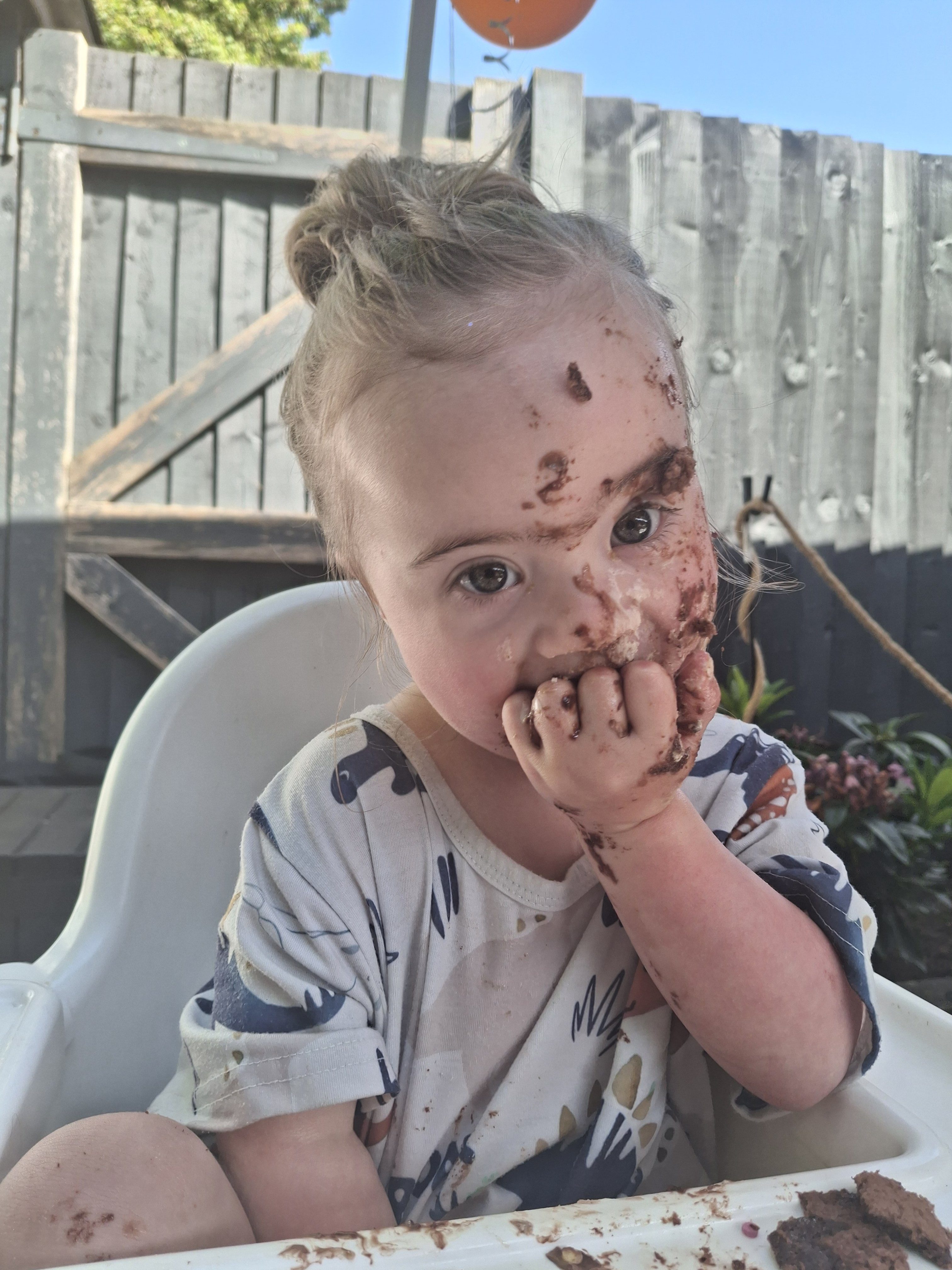
Since she has learned to walk, she can climb stairs, and if often found sitting on the top bunk in the bedroom when she visits us. She can also communicate her needs very clearly, able to make choices about what she likes and dislikes, she knows which cupboard is where the biscuits are kept, and had been known to raid the fridge when she knows a pack of strawberries have been put in there from the shopping! She uses a knife, fork and spoon to eat her meals, although she sometimes finds its quicker to use her hands when chocolate cake is involved.
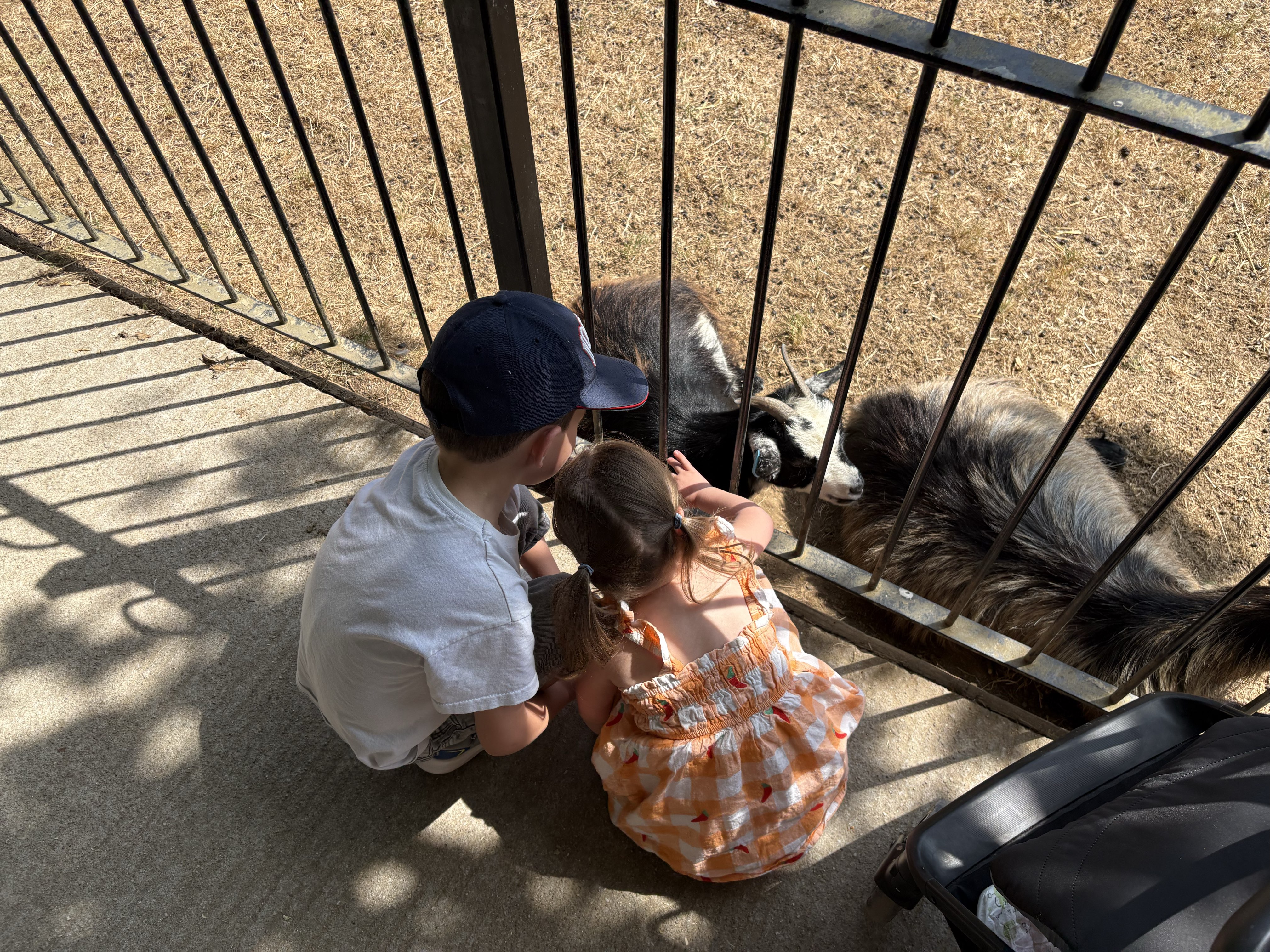
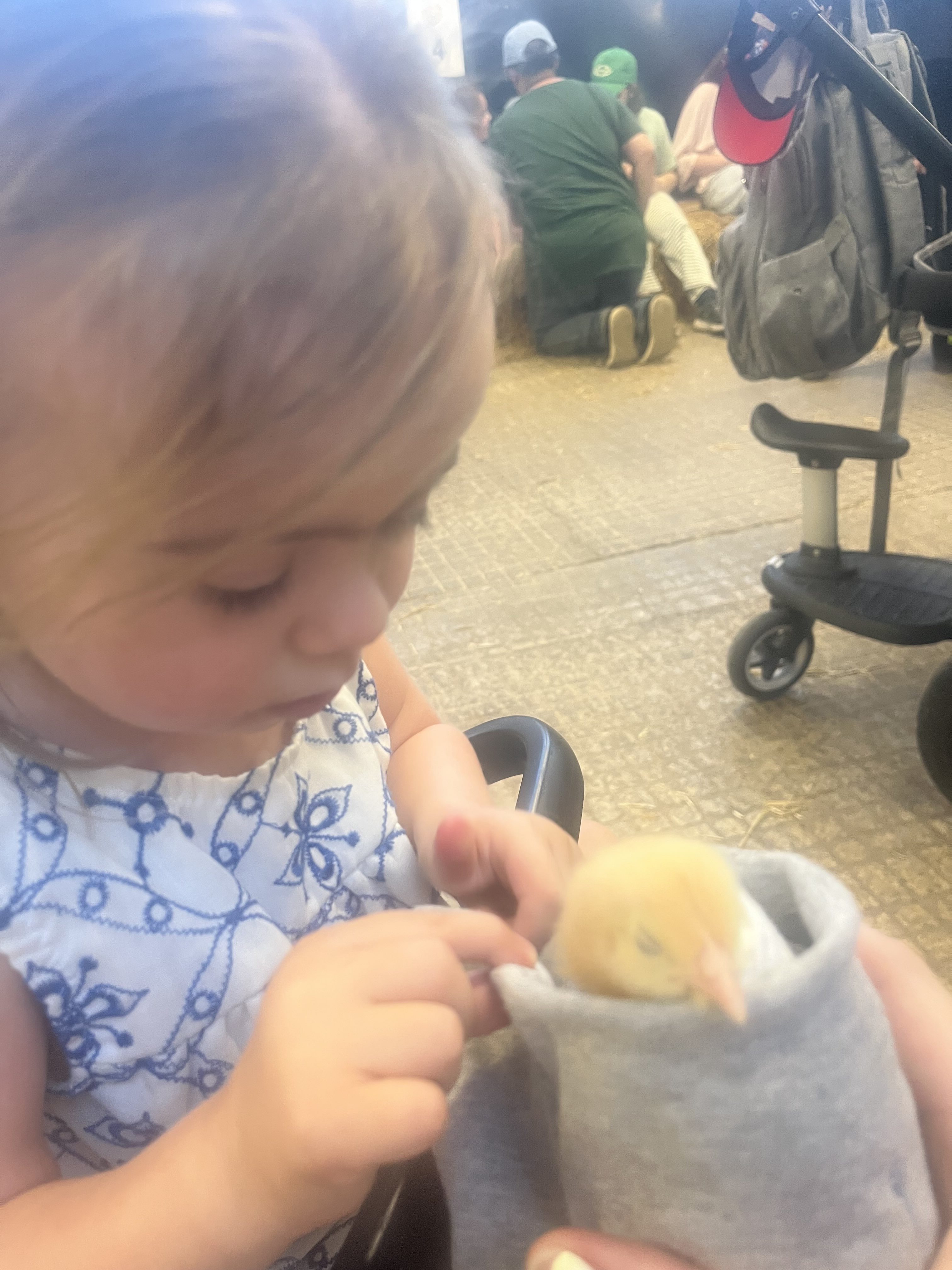
She has great empathy for all God’s creatures, and is very caring and gentle. This also comes across when she is playing with her dolls, nursing them, feeding them and putting them to sleep in their cot.
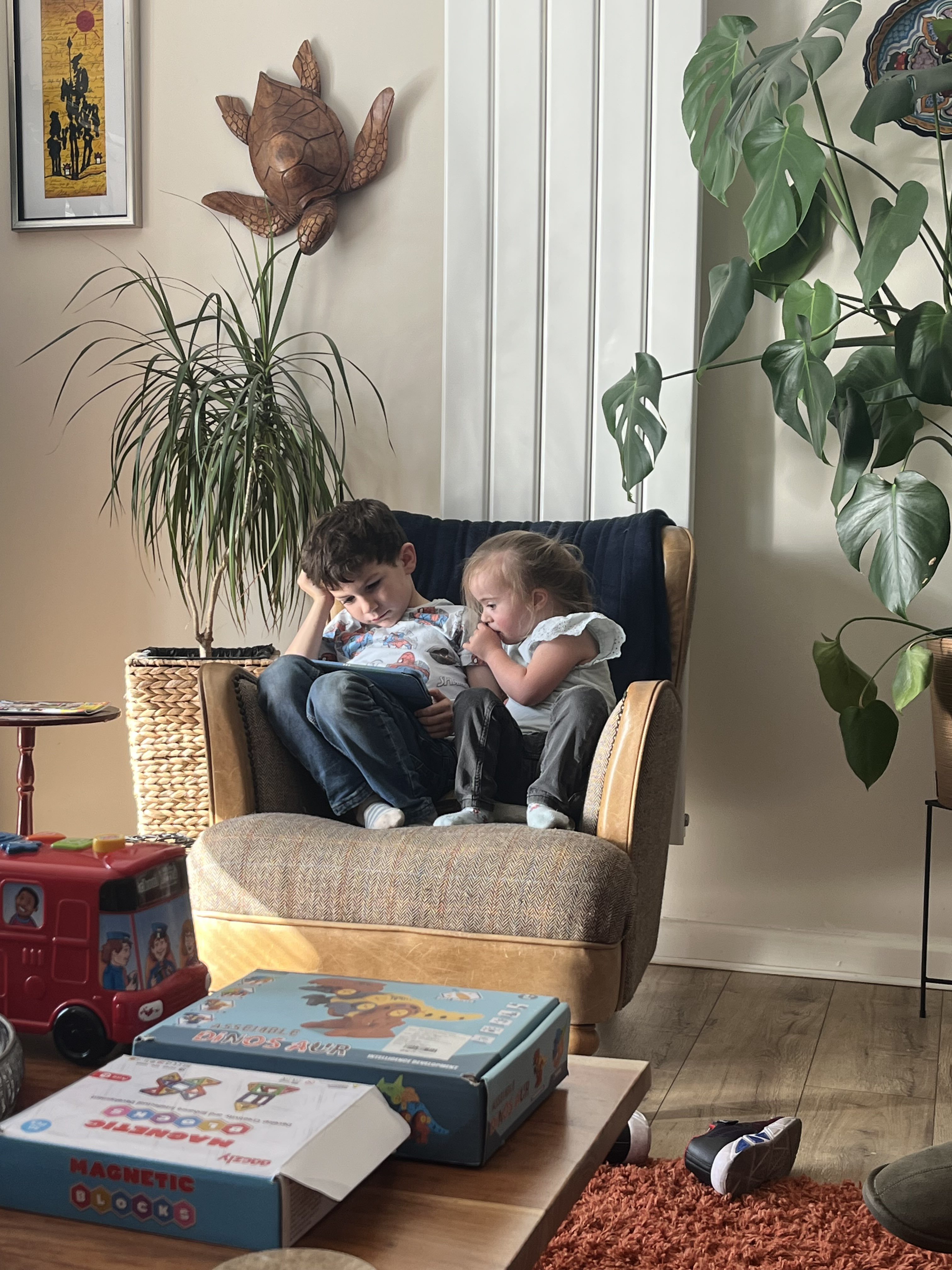
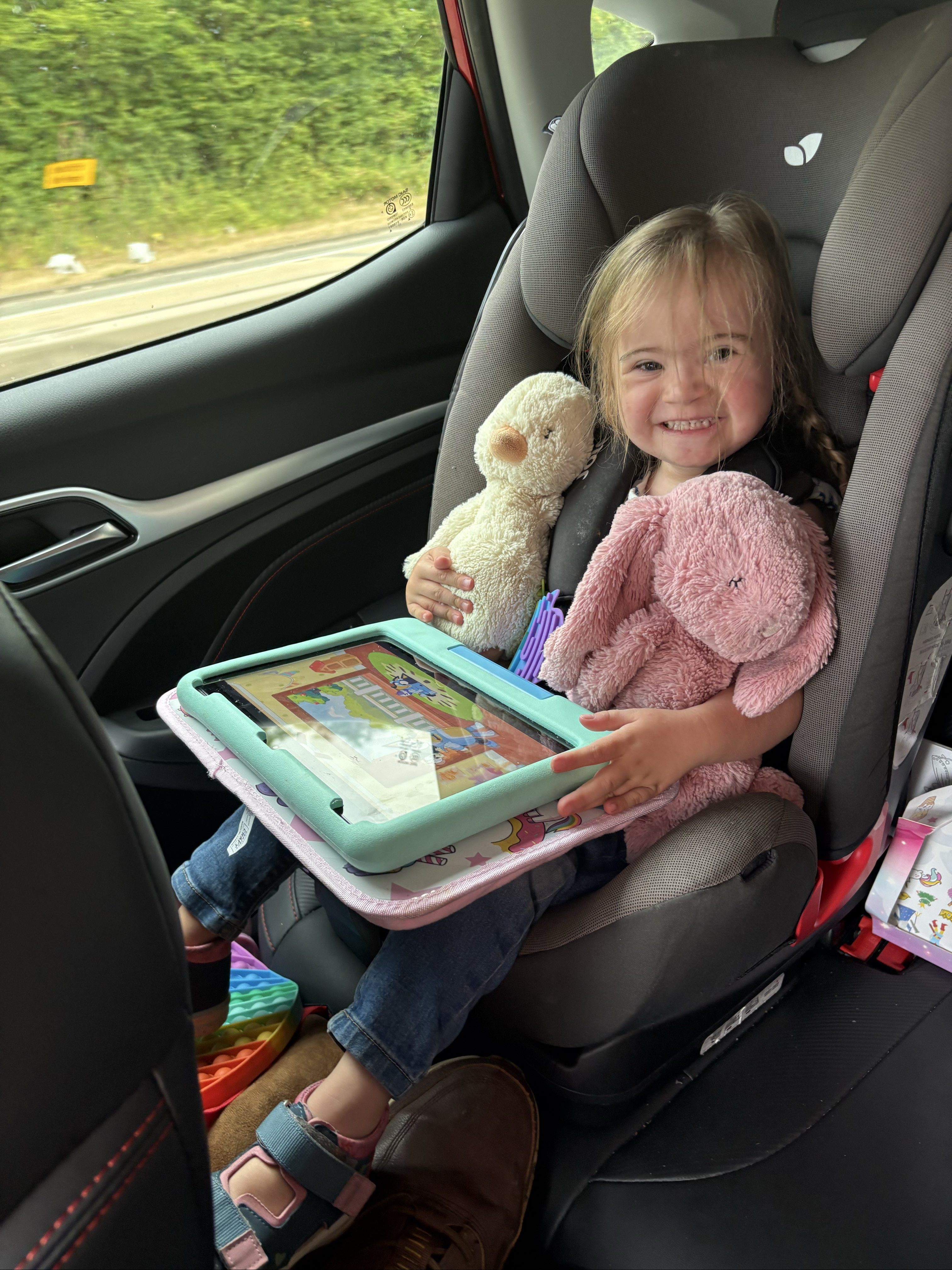
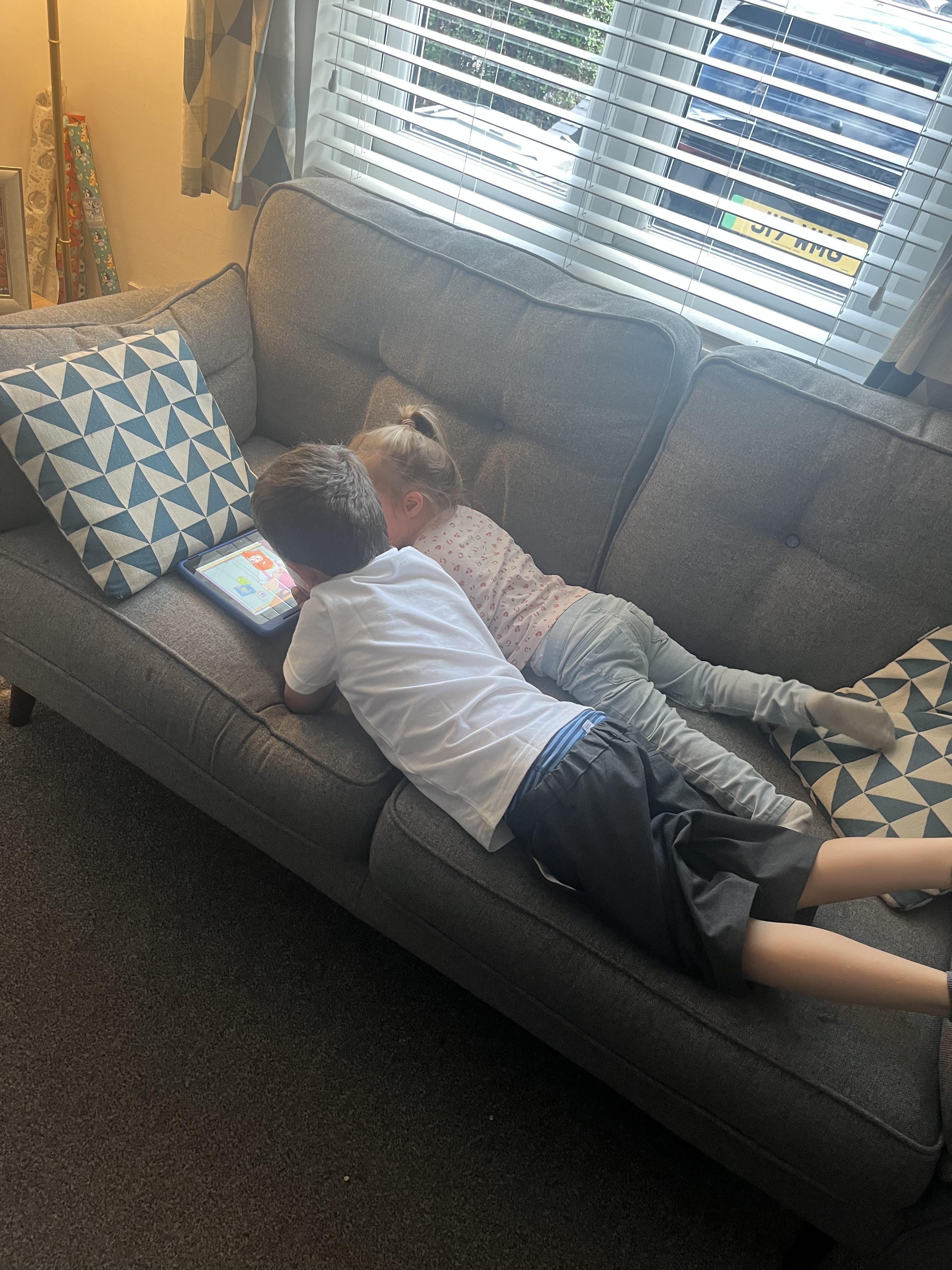
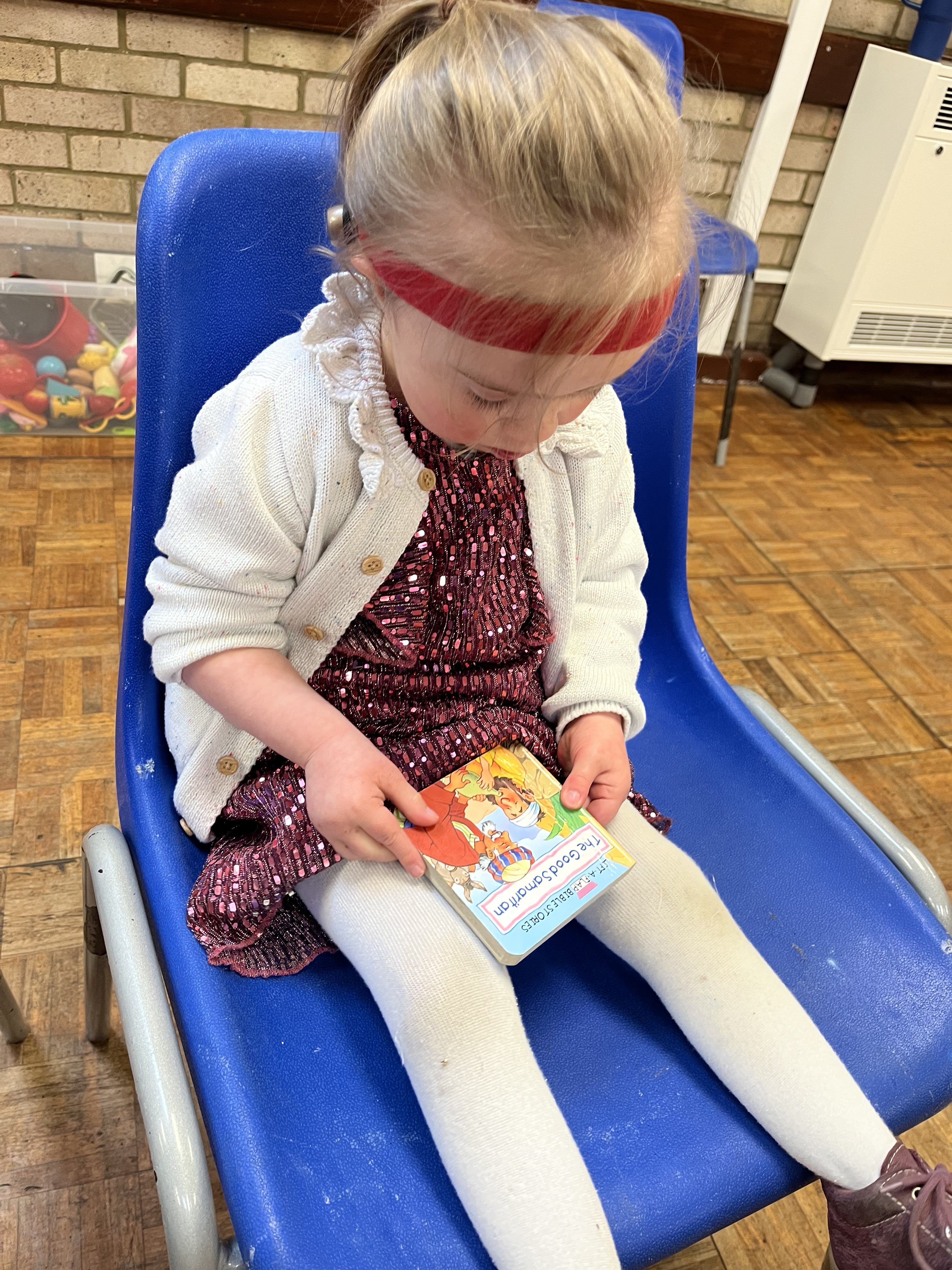
She also loves playing games on the iPad, as well as reading books. Most of the time she likes to sit alongside her brother, but we often find she has selected a book from the book box and will be sitting down, turning the pages and able to point out different objects if you ask her to find them.
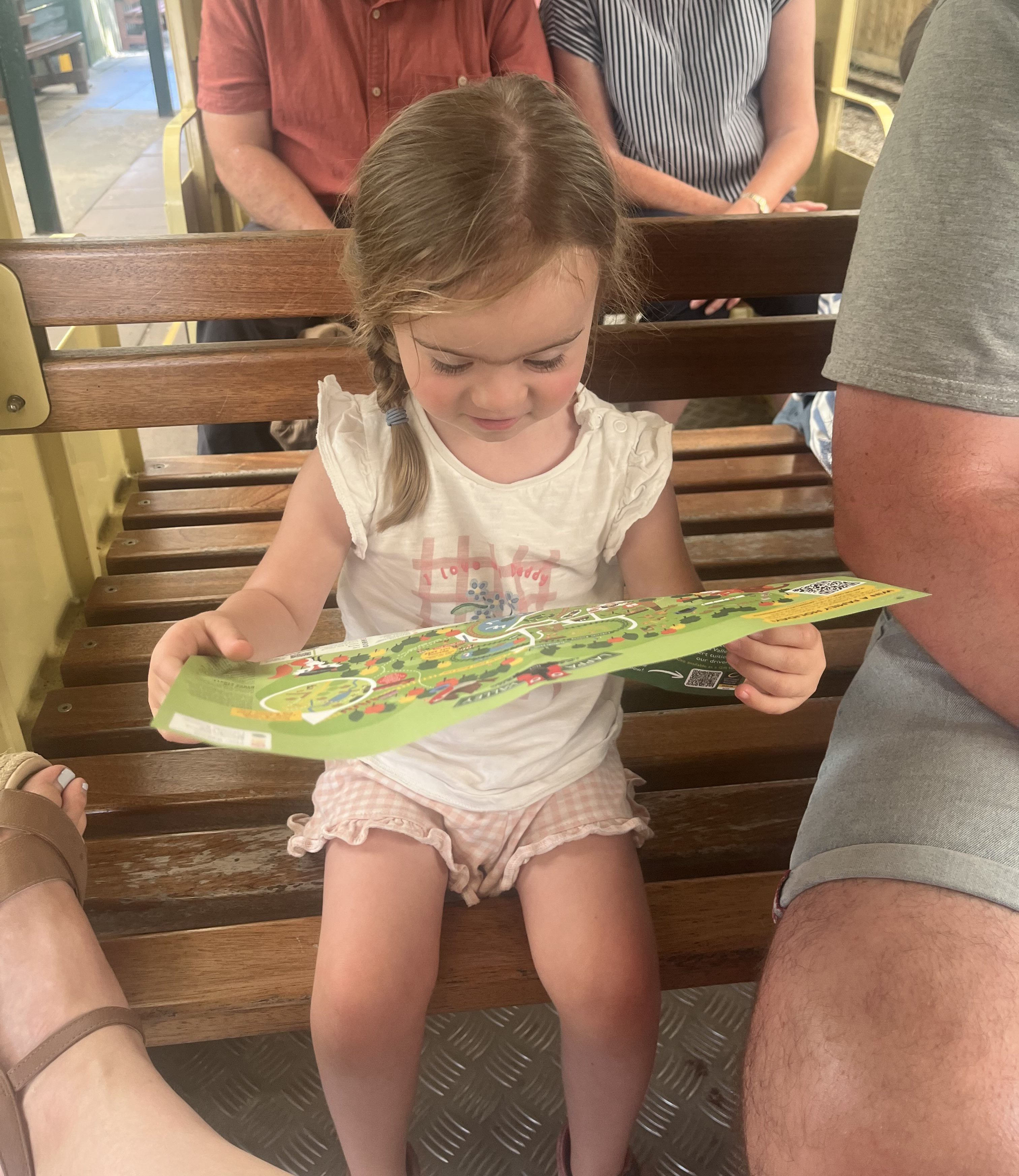
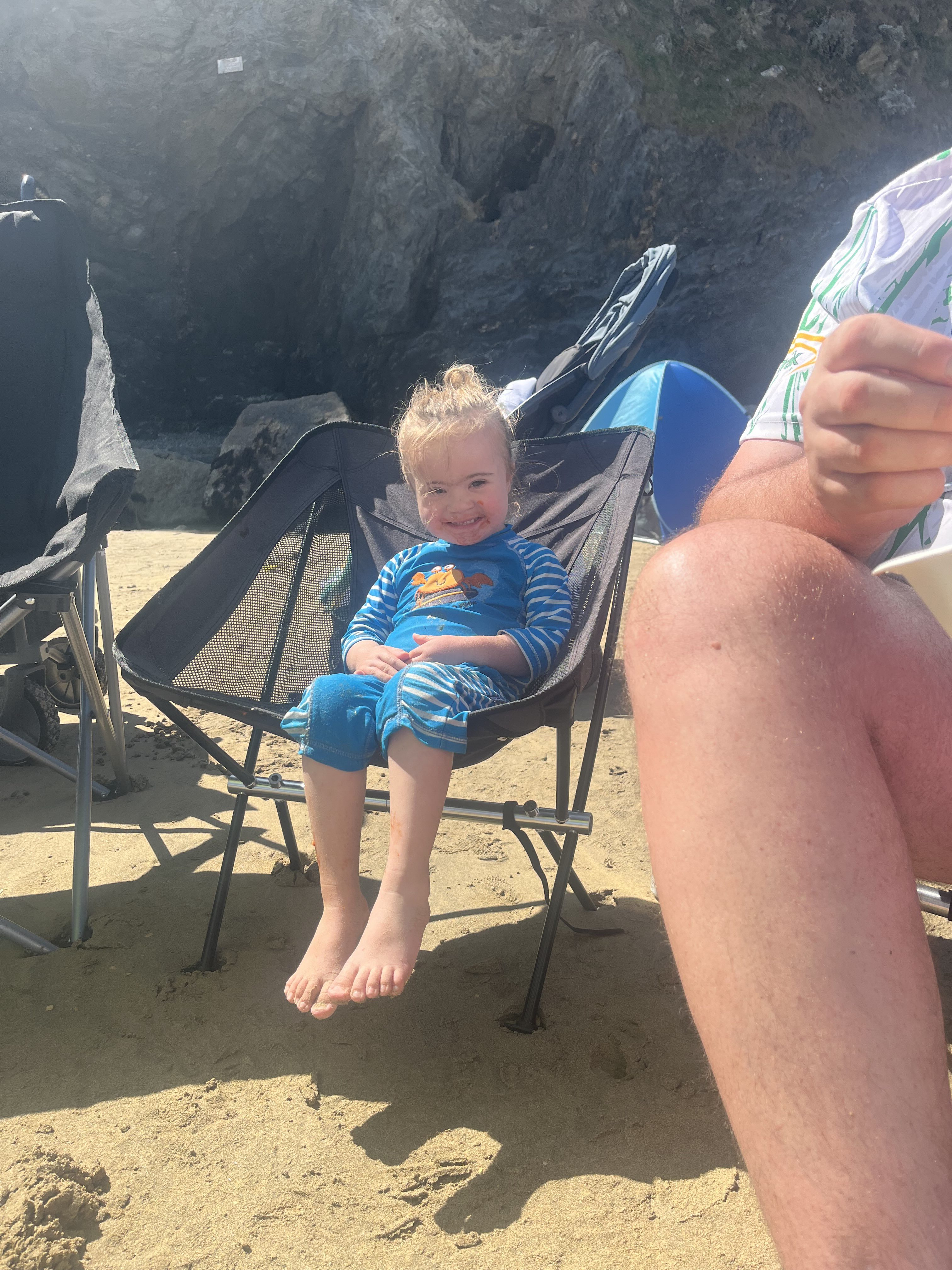
She loves spending time on holiday with her family and her aunts, uncles and cousins, as well as enjoying trips out to see and explore different places.
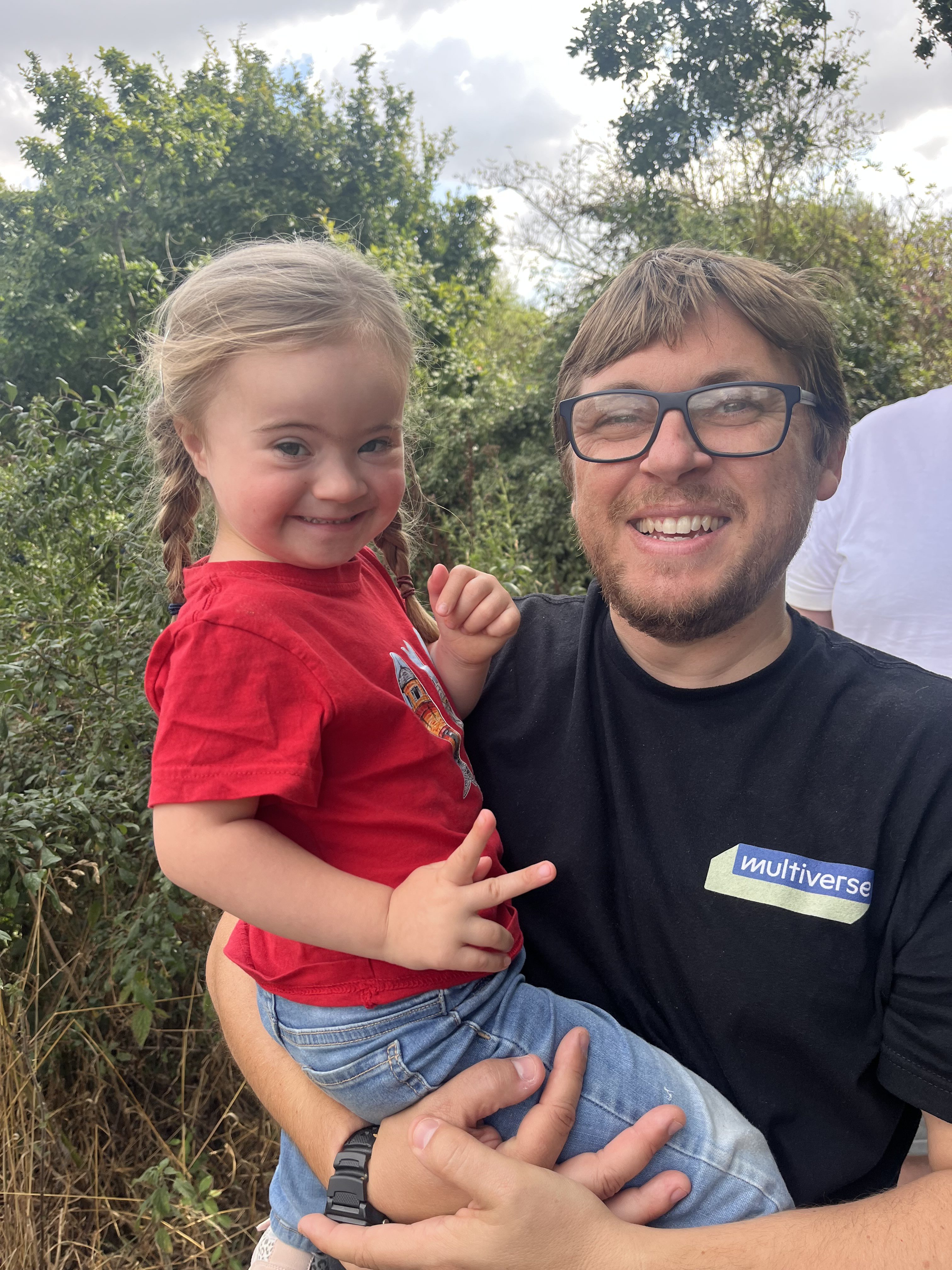
When Florence was two and a half years old, she underwent open heart surgery, which was pretty scary, but in true Florence fashion, within 24 hours she was trying to sit up, and after five days she was sent home, already showing everyone that there’s not much that stops her living a full life.

The fact is Florence is a on many levels the same as any other three years, but there’s one thing that’s different. Florence has a condition called Down Syndrome.
For those of you who might not know what that is, Down Syndrome it is a life-long genetic condition, caused by having an extra copy of chromosome 21. Its pure chance that you that you get that extra chromosome which happens because of a change in the sperm or egg during conception. This change does not happen because of anything anyone did before or during pregnancy.

People with Down syndrome are likely to have some level of learning disability. This means they’ll have a range of abilities. Some people will be more independent and do things like get a job. Other people might need more regular care.

There are also some preconceived ideas that people have about people with Down Syndrome. That they are very kind and loving and more often than not, happy and smiling; but they can also be angry and determined to get their own way. Clever at discovering things, and sad, able to show great empathy and emotion, exactly like every typical three-year-old.

However, the fact is that Florence has been given a label. A label that says she is disabled. Now that label can in some ways be a good thing, in that it provides additional care for her health and wellbeing,

But I have a bit of a problem with the word ‘disability’. The dictionary defines it as ‘a physical, mental, cognitive, or developmental condition that limits a person’s ability to perform certain daily tasks or participate in typical activities.’ And that is true, but the prefix ‘dis’ which means ‘not’, turns a positive word ‘able’, into its negative or opposite meaning. Also ‘to ‘dis’ someone, means that you treat them with disrespect or contempt.

Perhaps instead of the prefix ‘dis’ we should use ‘en’, Disable becomes enable, turning a noun or adjective into a verb that means ‘making it happen’.

We need to enable everyone to achieve whatever goals they are capable of. This starts with the person, not the disability, by asking what the person wants to achieve rather than assuming what they need, by identifying their strengths, preferences, interests, and existing abilities, letting them make decisions about their own life wherever possible. Also avoiding assuming that one person’s needs are representative of everyone with the same disability.

We can do this by identifying and removing physical, technological, financial, social, educational, or organisational barriers. Providing the right level of support to enable independence and making opportunities genuinely accessible. By building skills and confidence, and judging success by the person’s own goals.

The objective should not be “make the person as normal as possible.” It should be to “give the person a fair opportunity to pursue the life they choose.” But hang on, isn’t that want we want for everyone?

People with Down syndrome or any other disability, whether visible or invisible, like everyone, have their own personalities, things they like and dislike, things that make them who they are. In fact, exactly as God intended us all to be, unique, diverse and part of his church.

One body, many parts, all united, all needed, all honoured.

Amen
Florence has been incredibly well supported by the Portsmouth Downs Syndrome Association Home – Portsmouth Down Syndrome Association . Her mum and aunty are taking part in the annual Great South Run. If you feel that you could support them then you can do so here Portsmouth Down Syndrome Association: Florence’s Green Army
Label Jars Not People

Labels are for Jars

A short note before my latest post below – as it seems a long time since I last posted anything. However, having just seen our church though a time of interregnum, I am looking forward to getting more chances to post regularly again. Here, on our return to Ordinary Time in the church a consideration of why we should only sport one label.

Based on Luke 8:26-39 and Galatians 3:23-29

May I speak and may you hear through the Grace of our Lord; Father, Son and Holy Spirit. Amen

Designer labels, fashion labels, medical labels, religious labels, personality labels – labels we give ourselves and labels that are given to us. The government asks me to label myself every time I fill in an official form – am I male or female, am I white or black or of a different hue, do I smoke, do I drink, or would I prefer not to answer.

Then there are the socially constructed labels, of rich, poor, educated, uneducated, gay, straight, old, fit, fat, attractive, funny, boring, vegetarian or vegan.

However, each answer that I give creates algorithms that are designed to place me in various boxes in order to qualify me, tax me or sell me something – and you wonder why you get those adverts pop up for Slimming World or Saga holidays, or have you sorted a funeral plan out yet… that was only after I had my ‘big’ birthday the other day!

But what it all boils down to defining who we really are the only label that should be relevant is that we are children of God, and every person on earth carries that label

As we heard in Paul’s message to the Galatians; In God, there is neither Jew nor Greek, slave nor free, male nor female. We are all one. In baptism, we are all clothed in Christ. Only a couple of weeks ago, a member of our congregation, Sophie was baptised, clothed in Christ and welcomed into the family of God and she may carry many labels throughout her life: student, dancer, musician, graduate, scientist, fashion model, firefighter… the possibilities are endless. But the most important label she will have is child of God. And I pray that every person who looks upon her will see that above all else.

The trouble is, and I don’t just mean for Sophie, but for all of us, people rarely see just that. Take for example the sight that greeted Jesus and his disciples as they stepped off of the boat in the country of the Gerasenes. No official welcome, but a dishevelled, vocal creature who is obviously mad… rubber stamp, mental health issues.

On the one level, yes he is naked, screaming and obviously suffering from a disturbance of the mind, but had he chosen to live among the ‘unclean dead’ as the fundamentalists would have seen it or was he driven away from society to take refuge in a place whose claim to humanity was a tenuous as his own? Either way, his life is lonely and pitiful.

But, unlike those who have labelled themselves as righteous, keepers of the law and created a world of rules and laws and labels, into which only certain people can fit in, the demoniac is under no illusion and the irony is that only the ‘mad’ man recognises who Jesus is.

Jesus then asked him, ‘What is your name?’
Luke 8:30

When Jesus asks him, what is your name, there is a sense of calm and relief amongst the noisy shouting and dreadful back story as narrated. The question treats the man like a human being for the first time in goodness knows how long. and although he can’t remember what those who once loved him used to call him, Jesus’ question marks a turning point in the story and the man’s life, as he restores the human image to the man, as he is to restore it to the whole of humankind.

No wonder the law keepers were fearful and trembling. The ‘mad’ man was desperate enough to welcome change, however drastic, but these ‘sane’ people are comfortable with their illusion of life and did not want it challenged.

In the Galatians passage, Paul tells us without Christ, we are all in the condition that the demon-possessed man was. We were chained up, naked, living in a world of illusion and artifice, but now we can be ‘clothed’ with Christ, at peace and made whole again.

Why though were the people of Galatia writing to Paul, what labels were they still wearing, which ones did they need to cut off and discard? Apparently, another branch of Jesus followers had come to town with a different message than Paul. The Galatia church was primarily Gentiles, non-Jews. Paul believed that all people were to be welcomed without conditions. Welcome Jesus into your heart and off you go. However, these new preachers believed that the only path to Jesus was through Judaism, which required circumcision and adherence to Jewish laws. Two very different messages. What were the people of Galatia to think?

Paul replied that the law was a prison, and Jesus was the key that set humanity free. The law was in place to keep people in line until they could experience that faith that sets us free, the law that is written on our hearts to tell us right from wrong. And if anyone knew about the law being a prison, it’s Paul. In the name of the law, he had led stonings; murdered the followers of Jesus, instilled fear and drove people underground. He hunted and killed the followers of Jesus for living out their lives as God had called them to do, to live authentically in their identity as children of God.

In his prior life as a Pharisee, Paul saw people simply by their legal status: legal or illegal. If you were illegal, you were put in prison, banished, killed. They did not have humanity or identity. There was no grey area, no grace, no compassion. Just judgement and conviction.

After his conversion, Paul understood the damage being done by this way of thinking. He understood the importance of baptism, that the label of child of God is the most important label and the only one that mattered.

Following the Jewish laws was not necessary, following Jesus was. But it is much more difficult. The appealing aspect of the Jewish faith for so many was that it provided clear ethical directives. Follow the 613 rules about everything. From worship to clothing, to what to do if your neighbour’s ox falls into a ditch on a Tuesday or someone wearing a polyester blouse, then it was off with her head! Check things off the list and see that you are living properly.

Paul uses the word paidagogos, translated as ‘disciplinarian’. A paidagogos was the household slave charged with keeping the children under control. He was to a certain extent an educator – we get our word pedagogy from it. But he was mainly a custodian – a jailer, if you like – who ensured the children behaved properly wherever they were. The law was therefore like a babysitter, a guardian designed to keep people in line under the threat of God, but also under the threat of the death squads like Paul had ran.

Living in Christ was different though. Jesus was by all accounts a good and faithful Jew, but he began questioning these laws that didn’t match what his heart was telling him. The law said no healing on the sabbath. So, he was supposed to let someone suffer until the law said he could end that suffering?

Jesus saw what was underneath the outward appearance and behaviour of the man living in the tombs because love sees people differently. How then do we see people? When we label someone as homeless, that may well be an accurate description of their state of residency, but the label of homelessness reduces the entirety of someone’s being to one adjective that seems to overrule all others. A homeless person could be an artist, a cancer survivor, compassionate, or a comedian, but the label of homeless is all that they are seen as. Most certainly they are no longer seen as a child of God.

The person serving in a restaurant or shop, who can’t get our order right might be labelled stupid or lazy, but what if they are tired from having been up all night studying, grieving a death or breakdown in a relationship, or struggling with their finances and having to do multiple jobs. Most certainly they are not a child of God, if we give them an angry, exasperated glare.

To so many, we add our own preconceptions and judgments when we apply a label to them. As Muhammad Ali, the boxer, once said. ‘There is only one true religion, and that is the religion of the heart. God never named it Judaism, Christianity, Islam, Buddhism, etc. Man gave the titles, and that’s what separates and divides us. My dream is to one day see a world that comes together to fight for one cause — the human cause…’

There is no longer Jew or Greek, there is no longer slave or free,
there is no longer male and female; for all of you are one in Christ Jesus
Galatians 3:28

The human cause then is surely what the message of Jesus is all about? The human cause; ensuring that the hungry are fed and the lonely are visited and all people are able to live in peace and justice and love. Because the labels that we put on one another mean nothing compared to the label of child of God that surpasses all else. Love one another, do not pass judgement. Look at every person you meet first as a child of God, and then wonder if all those other labels really matter.

Amen

Labelling People

← Back

Thank you for your response. ✨